Her Story
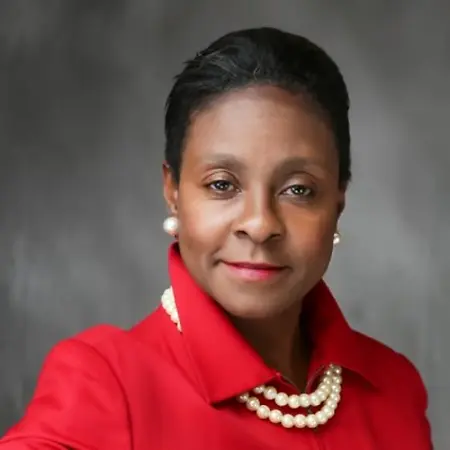
About Yvonne
From a very young age, all I could ever think about was being a doctor. I originally thought I wanted to be a pediatrician because I love children, but decided really quickly that I wanted to take care of patients that could actually talk to me. I started volunteering at Michael Reese and found that I loved women's health, so I started volunteering in a clinic here locally. I found that I loved women's health, but I wanted to be more hands-on, and decided that I wanted to do surgery. While in medical school, I did many rotations in many surgical areas, and decided that I wanted to help women move from cancer diagnosis to cancer cure. I decided that I wanted to be a women's cancer surgeon. I've been doing that for the last almost 25 years, and have really liked the impact that I make on women's lives and their families. I cherish the fact that everybody comes in thinking they're going to die from their cancer, but at the end, many more survive than those who actually die. Now, as the Associate Chief Medical Officer, I oversee clinical partnerships with providers and members within a Medicaid health plan, a role I've held for 7 years.
Her Interview
Ten minutes with Yvonne
01What do you attribute your success to?
I attribute my success to two things. First, I tend to be spiritual, and I believe it's God's plan for my life that I be His servant through surgery, through community involvement, through community engagement. I try to walk in that path, and I think when you're walking the path of what is the desire of God for you, you have success. I'm a believer that what God has for you is for you. In conjunction with that, I work hard. I attribute my success to those two things - faith and hard work.
02What’s the best career advice you’ve ever received?
The best career advice I ever received was to work hard, but also play hard. Part of that is doing the absolute best that you can do in your career, but also understanding that you are an individual outside of your career. In whatever career you have, if you're not taking care of yourself and doing things that you enjoy outside of work, you're not going to be successful in your everyday work.
03What advice would you give to young women entering your industry?
I talk to rising physicians almost every day, and I tell them that not only can you do this, you probably can do it better than a lot of men in the field. Understand that the work that you do is important. Understand that it's not easy, but at the end of the day, you very likely will say there's nothing that you would do differently. So jump in, all hands in, be a sponge. Soak it all up as you're training, and then find that place where the excitement is every day, and you see that as your passion, and let that guide you. But enjoy every moment. Every moment you can learn something that's going to help you later in life.
04What are the biggest challenges or opportunities in your field right now?
The biggest opportunity in the healthcare field is diversity. That is diversity from a race and ethnic perspective, and also diversity in terms of female-male. We're definitely seeing more women in the healthcare field, but still not the percentages of men in the field. We know the numbers of disproportionately impacted minorities, especially Blacks, have plateaued and has not changed over the last 20 years. And we know that impacts the care that folks in our communities receive. There's a lot of literature that points to, when we look at the Black community, that when you see a Black provider, you get better care, because they're more intentional about listening to you, about understanding you, and even in some senses, knowing the path that you've trod. So I would say that's our biggest challenge - we have to continue to increase the number of doctors that we're developing, but we have to also develop doctors from those communities and minority groups that we have not developed as well as other areas. We see delayed care, misdiagnosis, undiagnosis every day, and we know that that's for a lot of reasons, but we know that it's communication in time.
05What values are most important to you in your work and personal life?
I would say passion is most important to me. I've always said, and I tell my kid, when you are passionate about something, and that then becomes your job, it's not like you're really going to work every day. The years that I operated, from 6 a.m. in the morning to 7 at night were some of my most exhilarating days because I was passionate about it. You have to have passion in the work you do that you get paid for, and you have to have passion for the work that you do where you don't get paid. For me, it ends up being passion. My passion is helping people, and so I help people from various aspects. I get paid to help them as a physician, but I don't get paid when I work in the community, when I educate them on healthcare conditions, when I talk about healthcare disparities, when I talk about clinical trials and cancer prevention. It's all passion. I want the communities, and that's really all communities, to understand the impact that they have in and of themselves to impact their health. That's my passion, and so I can talk about it all day and all night, because that's what I enjoy. Luckily, I get paid for it in some aspects, but I do a lot of volunteer work where I don't get paid.
Join Influential Women and start making an impact. Register now.