Her Story
About Zakkiyya
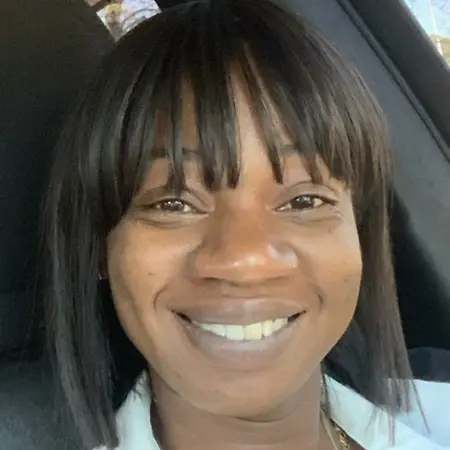
Zakkiyya Greene is a Chicago-based educator and youth development professional whose passion for teaching began at just 10 years old. While still in elementary school, she demonstrated an early talent for instruction by assisting teachers with reading and writing lessons in classrooms across her school. What began as a childhood opportunity to help fellow students quickly developed into a lifelong commitment to education and human development. Today, Zakkiyya works across K–12 settings as a substitute teacher and enrichment instructor, bringing a flexible, student-centered approach to classrooms while helping young people build confidence, creativity, and foundational life skills.
With more than two decades of educational experience, Zakkiyya specializes in human development and individualized learning strategies. Her work spans STEM and STEAM programming, chess instruction, engineering concepts, literacy education, and general classroom support for students from kindergarten through high school. She also spent several formative years working with the developmental disability community, an experience that deepened her understanding of how people learn, communicate, and grow at different stages of life. After completing medical assistant training and studying human anatomy, she chose to focus her career on human development and influential education rather than clinical healthcare, combining her medical knowledge with hands-on teaching methods designed to support the growth of young learners.
Known for her adaptability, patience, and innovative teaching style, Zakkiyya believes education should meet students where they are while encouraging them to expand beyond what they thought possible. She uses tools like chess, art, literacy instruction, and hands-on STEM learning to help students strengthen critical thinking, emotional awareness, and problem-solving abilities. Through substitute teaching, she is able to work across multiple schools and communities, giving her the opportunity to support a wide range of students while maintaining a career structure that aligns with her personal values and lifestyle. Her mission remains rooted in influential education, empowering young people through learning experiences that support both academic achievement and personal development.
Her Interview
Ten minutes with Zakkiyya
01What do you attribute your success to?
I attribute my success to starting early and gaining hands-on experience in the field. I've been in education since I was in 5th grade, when I was 10 years old, and I had obtained enough education to be able to assist teachers with actually presenting knowledge to students. That early foundation taught me that education is about what actually works with students. My work with the developmental disability community, especially after completing medical assistant school, was transformative. I worked with adults with developmental disabilities from age 18 to about 24, and that experience taught me so much about human development and individualized approaches. I learned that each individual has a developmental plan, and I was asked to contribute ideas about what methods could help each person gain skills. This taught me to focus on the individual and adapt my methods accordingly. One of my most meaningful achievements has been sitting with a child who was stated to have developmental disability and being told this child will not learn how to read, and then literally showing the child how to read and write in 5 to 7 days. That's why I say human development is my achievement, because I've been able to take situations where it was believed that students didn't have the ability, or the time frame would be too far out, and turn that into a display of results in a quicker time manner. I've learned that the issue is not that a child can't read, it's that the child hasn't been taught how to read properly. I've always taken the role of being an educator and stuck to that, never crossing the line into thinking I'm a parent, because when those lines get crossed or confused, it causes confusion to the child, delays results, and delays the display of the child actually gaining the skill.
02What advice would you give to young women entering your industry?
In developmental learning spaces, progress doesn’t always follow timelines; it follows trust, patience, and consistency.”“Human development work requires you to stay flexible enough to change your approach, but grounded enough not to change your belief in the student.”
03What are the biggest challenges or opportunities in your field right now?
One of the biggest challenges in education right now is the situation with the education system itself. It's not the education system itself, it's the people that's working for the education system and the displays they have been doing. There are people who are there to sit there and participate with children speaking Ebonics, which is just crazy. Another major challenge is the confusion between influence and manipulation in education. These have been confused, and that creates real problems for how we approach teaching and human development. The challenge is maintaining proper boundaries and roles as an educator. There's a thin line between being an educator and other roles, and when those lines get crossed or confused in an adult, it causes confusion to the child, it causes destruction, it delays results, and delays the display of the child actually gaining the skill. This is true whether working with youth in K-12 or with adults in the developmental disability community. If you cross that line of thinking that you are this person's parent and performing those types of actions, then it's gonna delay the results and the actual goal that you was trying to reach.
04What values are most important to you in your work and personal life?
The most important value to me is maintaining clear professional boundaries and staying true to my role as an educator. I've never taken the role of being a parent to the students I work with. I've always taken the role as being their educator, and I stick to that because it's a thin line, and when those lines get crossed or confused, it causes confusion to the child, destruction, and delays results. Another core value is believing in each student's capacity to learn and refusing to accept limitations that others place on them. When I've been told that a child with developmental disability will not learn how to read, or that the time frame would be too far out, I've been able to show that child how to read and write in 5 to 7 days. That's because I believe the issue is not that the child can't read, it's that this child hasn't been taught how to read properly. I also value choosing to educate in an influential manner rather than a manipulative manner for human development. I made a conscious choice to focus on the human development field and to use methods like chess, STEAM art, and individualized approaches to help students gain skills. Finally, I value the ability to balance my career with my individual life as a citizen, which is why I do substitute teaching so I can work on a time that's suitable for me while still being able to assist with influential education.
Join Influential Women and start making an impact. Register now.