From Facilitator to Author: The Legacy Behind 7 Rules of Resilience
From scattered wisdom to structured leadership: how resilience became a teachable system.

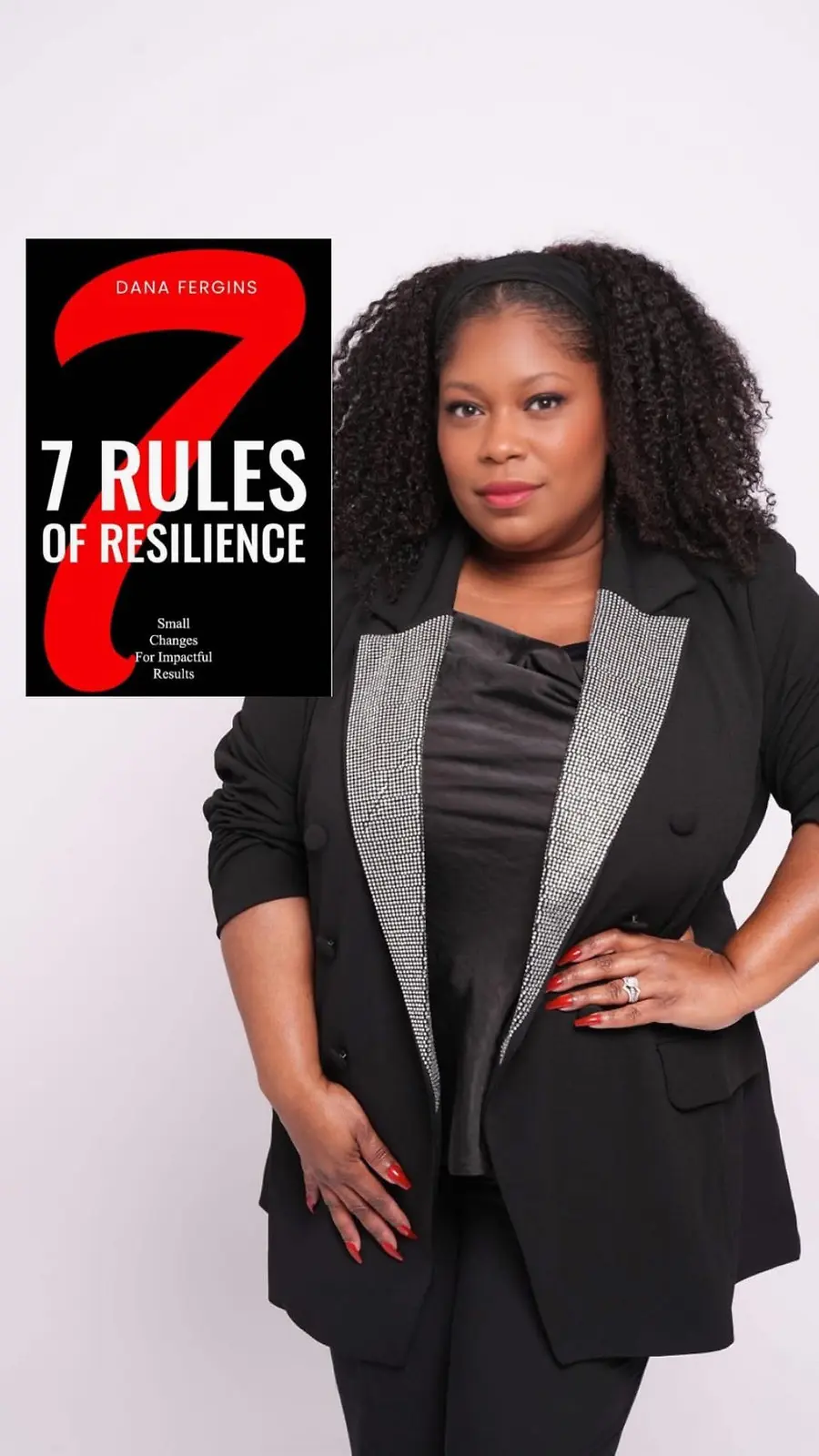
Some books are written for attention.
Others are written for impact.
7 Rules of Resilience was not created as a trend. It was created as a tool—a leadership framework born from lived experience, sharpened through service, and proven through results.
This is not a story about “becoming an author.”
This is a story about owning a message so powerful it could no longer remain scattered across speeches, training sessions, and quiet moments of rebuilding.
This is the story of how resilience became a strategy—and then became a legacy in print.
The Moment It Became More Than a Message
There is a moment every leader faces when they realize:
What they carry is not just personal—it’s transferable.
For years, I watched resilience show up in real time:
in classrooms, leadership spaces, community work, and personal seasons where strength wasn’t optional—it was required.
But the deeper truth was this:
My resilience wasn’t just a trait.
It was a framework.
And frameworks deserve structure.
Frameworks deserve language.
Frameworks deserve to live beyond the moment.
That is where 7 Rules of Resilience began.
The Book Was Already There—It Just Needed a Home
People often assume writing a book starts with an empty page.
For me, it started with a realization:
The content already existed. It was simply scattered.
It lived in training conversations.
It lived in how I guided students through adversity.
It lived in how I taught leadership when the world felt unstable.
It lived in the discipline of rebuilding—again and again.
I didn’t need to “find my voice.”
I needed to organize my evidence.
Because resilience isn’t theoretical when you’ve had to live it.
It becomes instruction.
From Experience to Evidence
Resilience is often treated like a motivational word. But I knew something many people overlook:
Resilience is measurable.
Repeatable.
Teachable.
I didn’t write 7 Rules of Resilience as a collection of inspirational thoughts.
I wrote it as a leadership system—something readers could apply in real life:
- when pressure is high
- when expectations feel heavy
- when life disrupts the plan
- when giving up seems easier than continuing
This book became the bridge between surviving and leading.
The Shift: I Stopped Explaining My Authority
There is a quiet exhaustion that comes from constantly having to prove yourself.
Reintroducing your credibility.
Re-earning trust.
Re-explaining your vision.
A book changes that.
A book says:
“This is not a moment for me. This is a method.”
It takes your leadership and makes it portable.
It takes your work and makes it permanent.
That is what 7 Rules of Resilience represents:
My leadership—documented.
The 7 Rules: A Framework Built for Real Life
Every rule in 7 Rules of Resilience was shaped by three realities:
1) Lived Experience
Resilience formed when life tests you—without warning and without mercy.
2) Leadership Practice
Resilience required when you’re not just managing yourself, but outcomes, people, expectations, and legacy.
3) Academic Discipline
Resilience that is structured, clear, and transferable—something others can learn, apply, and teach forward.
This is not “good advice.”
This is proven leadership development, packaged with clarity.
I Turned Content Into Currency
Every leader creates content—whether they realize it or not.
Daily lessons.
Strong conversations.
Hard-earned insights.
Strategic leadership moments.
Most of it disappears into time.
I made a decision to stop letting my best wisdom vanish into the timeline.
Instead of creating content that lasts 24 hours,
I created something that can impact readers for years.
A book is not just writing.
A book is ownership.
Who This Book Is For
7 Rules of Resilience is for people who are tired of surviving and ready to stabilize.
It’s for the:
- student trying to stay focused while life is loud
- professional balancing pressure with purpose
- leader carrying others while rebuilding privately
- visionary who needs structure, not sympathy
This book does not promise an easy life.
It equips you for a stronger one.
Because resilience is not pretending everything is okay.
Resilience is knowing what to do next.
The Heart of It All: Legacy
At its core, 7 Rules of Resilience is my declaration that:
Resilience is not a personality trait.
Resilience is a leadership competency.
And it should be taught.
It should be modeled.
It should be multiplied.
This book is not my finish line.
It is evidence that I am walking in purpose—with alignment, discipline, and impact.
Final Word: A Book Built to Outlive the Moment
I didn’t write 7 Rules of Resilience because I was “ready.”
I wrote it because I was called.
Called to put language to what I know.
Called to structure what I’ve lived.
Called to give others a framework strong enough to hold them when life tries to break them.
This book is my leadership in print.
My resilience made teachable.
My survival turned into strategy.
And my legacy—already in motion.