𝗔 𝗯𝗿𝗼𝗸𝗲𝗻 𝗽𝗲𝗻𝗰𝗶𝗹 𝗶𝘀 𝗷𝘂𝘀𝘁 𝘁𝘄𝗼 𝗽𝗲𝗻𝗰𝗶𝗹𝘀 𝘁𝗵𝗮𝘁 𝗵𝗮𝘃𝗲𝗻’𝘁 𝗯𝗲𝗲𝗻 𝘀𝗵𝗮𝗿𝗽𝗲𝗻𝗲𝗱 𝘆𝗲𝘁.
How leaders transform setbacks into growth opportunities through their response to challenges.

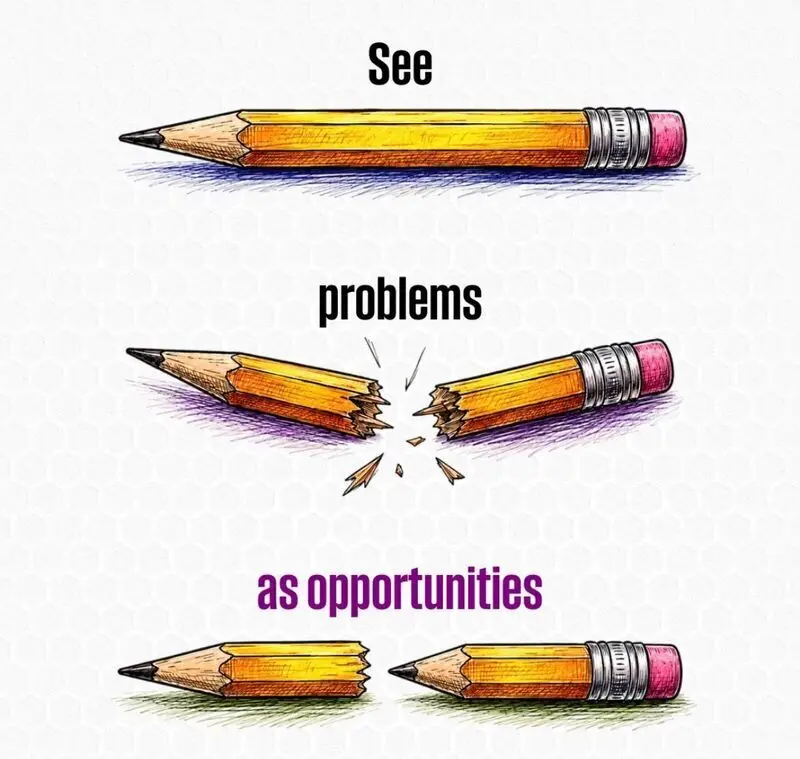
𝗔 𝗯𝗿𝗼𝗸𝗲𝗻 𝗽𝗲𝗻𝗰𝗶𝗹 𝗶𝘀 𝗷𝘂𝘀𝘁 𝘁𝘄𝗼 𝗽𝗲𝗻𝗰𝗶𝗹𝘀 𝘁𝗵𝗮𝘁 𝗵𝗮𝘃𝗲𝗻'𝘁 𝗯𝗲𝗲𝗻 𝘀𝗵𝗮𝗿𝗽𝗲𝗻𝗲𝗱 𝘆𝗲𝘁.
This image stopped my scroll because it perfectly captures the difference between managing a team and leading one.
Something is always breaking.
A top performer moves on.
A patient returns their devices.
A referral relationship goes quiet.
A month falls short of its target.
Most teams get stuck on the middle picture—the snap, the splinters, the mess.
But here's what I've learned leading in hearing care: your team doesn't take its cue from the setback. It takes its cue from your response to it.
When a leader treats a break as a verdict, people start hiding problems.
When a leader treats it as raw material, people start bringing solutions.
In our world, that looks like this:
- A returned device isn't a lost sale—it's the most honest feedback you'll ever receive about your patient experience.
- A provider who stops referring isn't a dead relationship—it's an invitation to ask a question you should have asked months ago.
- A team member's mistake isn't just a performance issue—it's a window into a process that was never clearly defined.
The pencil doesn't decide whether the break is the end of the story.
The person holding the sharpener does.
𝗟𝗲𝗮𝗱𝗲𝗿𝘀 𝗶𝗻 𝗵𝗲𝗮𝗿𝗶𝗻𝗴 𝗰𝗮𝗿𝗲—𝘄𝗵𝗮𝘁'𝘀 𝗮 "𝗯𝗿𝗲𝗮𝗸" 𝘁𝗵𝗮𝘁 𝘂𝗹𝘁𝗶𝗺𝗮𝘁𝗲𝗹𝘆 𝗯𝗲𝗰𝗮𝗺𝗲 𝗼𝗻𝗲 𝗼𝗳 𝘆𝗼𝘂𝗿 𝗯𝗲𝘀𝘁 𝗼𝗽𝗽𝗼𝗿𝘁𝘂𝗻𝗶𝘁𝗶𝗲𝘀?


