A Relationship Rooted in Respect
Building Mentorship on Mutual Respect, Trust, and Clear Boundaries

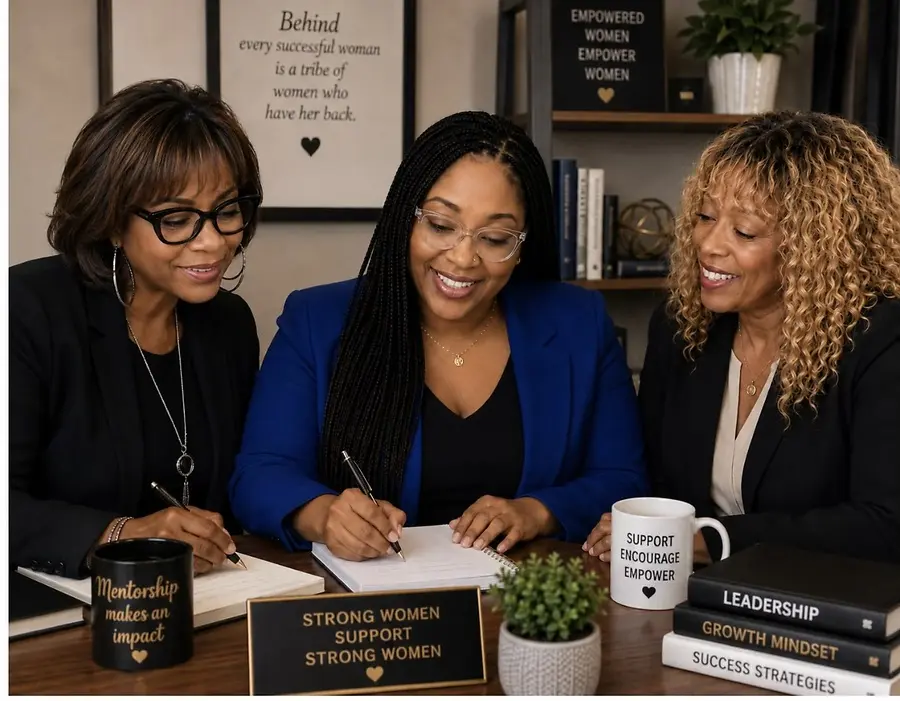
Choosing the Right Mentor: It Starts With Alignment
A mentor can be one of the most meaningful relationships in our professional and personal growth. The right person can offer perspective, challenge our thinking, share lessons from experience, and help us recognize opportunities we may not yet see for ourselves.
But selecting a mentor should be more intentional than simply choosing someone successful, well-connected, or in a position of leadership.
A mentor is not someone who was assigned to the role, nor is it a role you assign to yourself. Mentorship should be intentional and mutually agreed upon by both people. It begins with a shared understanding of the purpose of the relationship, the support being offered, and the boundaries that will protect it.
Before approaching someone, take time to identify what you actually need. Are you looking for guidance as a new leader? Support while navigating a career transition? Accountability as you pursue education, business goals, or professional development?
Being clear about your goals helps you seek appropriate guidance from someone equipped to offer it.
The "best" mentor is not always the person with the biggest title. Look for someone whose character, leadership, and decision-making skills you respect. Choose someone who can be honest with you, not just encouraging.
A good mentor should help you think through challenges, not make every decision for you. Their guidance should build your confidence and capacity—not create dependence.
Respect Cannot Be One-Sided
Respect cannot be one-sided.
A mentor's experience, position, or willingness to provide guidance does not mean respect should flow in only one direction. The mentee should respect the mentor's time, boundaries, experience, and honesty, while the mentor should respect the mentee's voice, goals, boundaries, perspective, and ability to make their own decisions.
Mentorship does not create authority over another person. Guidance should never require someone to surrender their voice, tolerate disrespect, or accept every piece of advice without question.
You can value someone's wisdom without agreeing with everything they say. You can receive correction without being minimized. You can be challenged without being controlled.
You can hold someone accountable while still allowing them the autonomy to be themselves.
Accountability should encourage reflection and growth, not conformity. A mentor can challenge a decision, offer another perspective, or point out an area for improvement without expecting the mentee to think, communicate, lead, or make decisions exactly as they would.
Mutual respect creates space for honest conversations, disagreement, accountability, and growth. When only one person is expected to listen, adjust, or honor boundaries, the relationship is no longer operating as a healthy mentorship.
A healthy mentoring relationship should also create space for transparency. You should feel comfortable expressing your thoughts, shortcomings, barriers, concerns, uncertainties, and even disagreements, knowing that every perspective may not always be well received or agreed upon. Mentorship requires enough trust to say, "I don't understand," "I see this differently," or "That approach does not work for me."
Transparency allows a mentor to provide meaningful guidance because they are responding to who you actually are—not a version of yourself you feel obligated to present.
Respect is not the price a mentee pays for access to someone's experience.
It is a standard both people are responsible for maintaining.
Boundaries Protect the Relationship
Healthy mentorship also requires boundaries. A mentor is not responsible for carrying someone's workload, solving every problem, or opening every door. A mentee should not expect unlimited access, nor should they feel pressured to become a copy of their mentor.
Neither person should feel entitled to the other's time, access, or personal information.
The purpose is not to become someone else. It is to learn from another person's experience while becoming more grounded in your own strengths, values, judgment, and voice.
A healthy mentoring relationship asks both people to show up with intention. The mentee should come prepared, be open to feedback, ask thoughtful questions, and follow through. The mentor should be honest about their availability, boundaries, and the type of guidance they can realistically provide.
At its best, mentorship is a relationship rooted in respect, trust, clarity, and growth.
It is not about access. It is about alignment.
Choose someone who can challenge you with care, guide you with integrity, and respect the person you are becoming.


