
Advocating for the Future
Building Safer Schools Through Formal Conflict Mentoring Programs


Advocating for the Future
As a professionally trained formal conflict advisor and a public-school teacher, I feel that now is the time for school leaders, policymakers, educators, families, and community partners to work together to make conflict mentoring a formal part of public education. We must move beyond simply reacting to conflict and begin teaching students how to understand it, manage it, and grow from it. By investing in formal conflict mentoring programs, our schools can help build safer learning environments, stronger relationships, and a generation of students prepared to resolve conflict with wisdom, respect, and accountability.
In my quest to get the ball rolling, I have published conflict books for children as young as six years old to help them become thoughtful problem-solvers and responsible citizens. If we truly want students to grow in this way, we must give them more than consequences after conflict occurs—we must provide guidance before, during, and after conflict happens. A formal conflict mentoring program is not just another school initiative; it is an investment in safer schools, healthier communities, and a more peaceful future for our children.
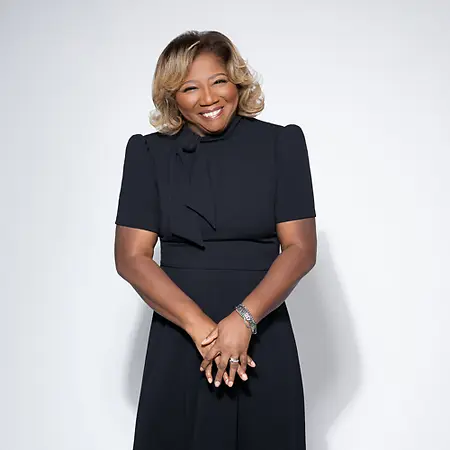
I am a middle school ELA (English and Language Arts) teacher in my first year in education, after spending 25-plus years in the corporate world working in international development. Throughout my corporate career, I worked with formal conflict and dispute resolution within a UN organization, serving on the Appeals Committee and hearing staff grievances dealing with harassment, discrimination, and benefits issues. I…





