AI Was Supposed to Make Hiring Easier. People Still Need to Be Heard.
How meaningful connections between hiring managers and candidates create better hiring outcomes.

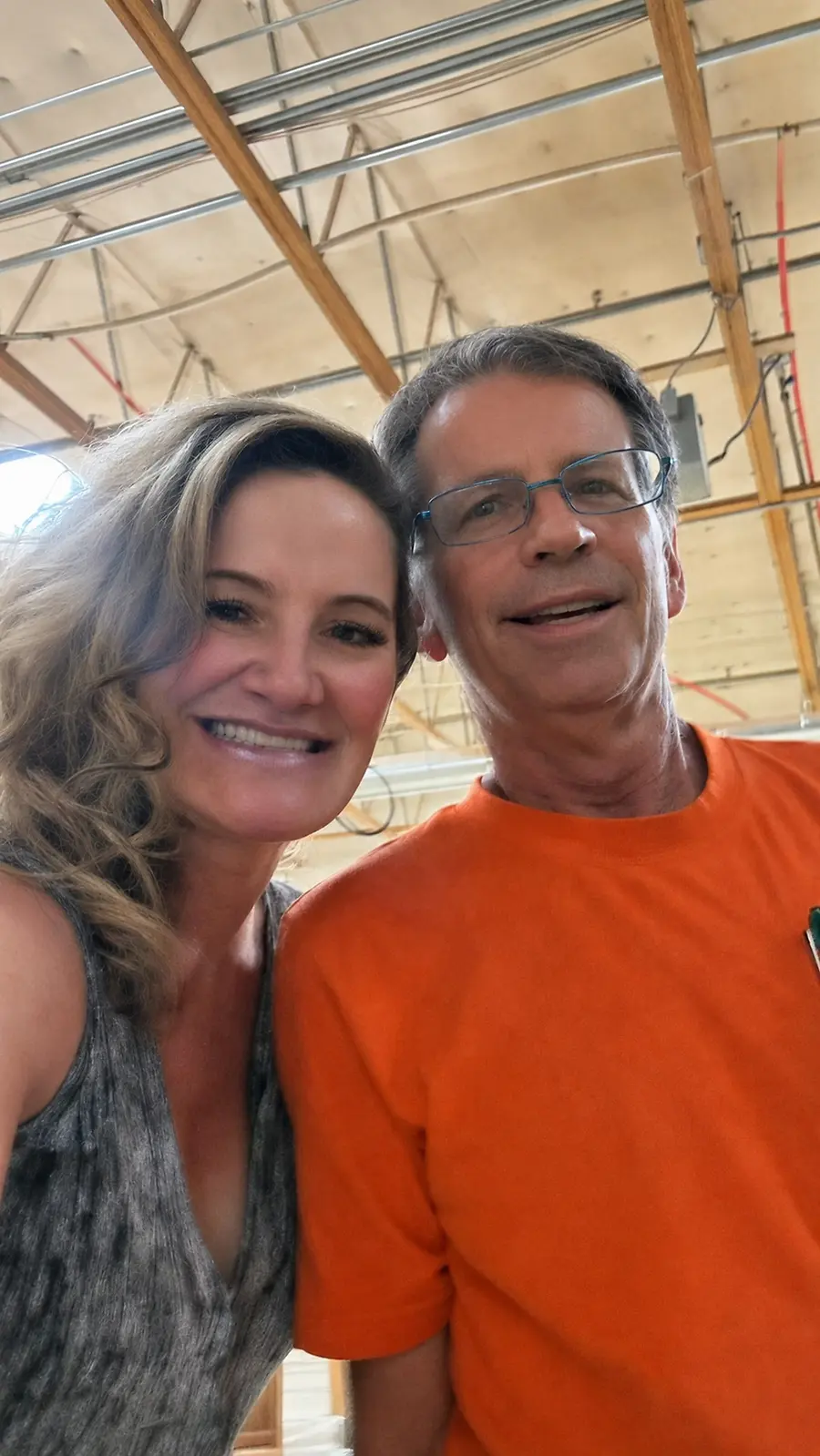
A hiring manager needs someone who can help the team move forward. A candidate wants the chance to show what they can do.
Both are looking for a connection. Yet somewhere between the application, the screening process, and the hiring decision, they can miss each other.
As a recruiter, that is where I believe some of our most important work happens.
Technology can help us reach people, organize information, and move through administrative tasks. But a faster process is not necessarily a better one if we have not taken the time to ask what the company needs or what the person has to offer.
More activity does not always mean more progress.
Start with the conversation before the search
Before I begin recruiting, I want to know more than the job title and required experience. What is making this position difficult to fill? What does the team need help with? What would make someone successful in the role?
I also want to understand the hiring manager's priorities. Two leaders hiring for similar positions may need very different things from their next employee.
As Whitaker Construction's first in-house recruiter, I helped build the recruiting process from the ground up during a period of rapid workforce growth. One of the tools I developed was an intake process that helped hiring managers communicate the positions they needed and the priority of each request.
That upfront work mattered. It gave us a better starting point for deciding where to focus and helped keep recruiting connected to the needs of the business.
A job description should reflect the work someone will actually do. When that picture is shared from the beginning, candidates can make more informed decisions, and hiring teams can evaluate people against the same expectations.
Give people room to tell their story
A résumé is a starting point. It cannot tell us everything about someone's judgment, motivation, or ability to learn.
That does not mean overlooking the qualifications a role requires. It means asking enough questions to recognize relevant experience that may look different from what we expected.
What has this person accomplished? What problems have they solved? What are they hoping to find in their next role?
The same curiosity applies to employers. A company may have an opportunity that would appeal to the right person, but its job posting may not explain why. Part of recruiting is helping both sides communicate what matters.
For candidates, that means sharing specific examples of their work and asking questions about the team, expectations, and hiring process. A good conversation should help both sides decide whether to move forward.
Use technology to make room for connection
I see value in tools that help recruiters organize their work and spend less time on repetitive tasks. The opportunity is to use that time well.
If technology helps us identify potential candidates faster, we can spend more time learning about them. If it helps us coordinate interviews, we can put more attention into preparing people and gathering useful feedback.
But technology cannot take responsibility for the relationship. Someone still needs to explain the opportunity, ask the next question, address a concern, and communicate a decision.
That responsibility belongs to us.
Follow-through is where trust grows
One of the best pieces of career advice I have received is simple: follow through, follow through, follow through.
In recruiting, that means letting people know what happens next and keeping them updated when plans change. It means checking in with a hiring manager when feedback is overdue and giving a candidate an answer rather than leaving them guessing.
Not every interview will lead to an offer. Not every candidate will be the right match. Respect should remain part of the experience either way.
A brief update may seem small to the person sending it. To someone waiting on a career decision—or a manager trying to keep a team running—it can matter a great deal.
Better hiring takes both effort and care
I founded Relationship First Recruiting because I believe business results and care for people belong together.
Employers deserve a recruiting partner who learns their business, takes initiative, and stays involved. Candidates deserve to be heard, evaluated fairly, and treated with respect.
We can embrace better tools while holding ourselves to those standards. The goal is not simply to move more applications through a system. It is to help a company find someone who can contribute and help a person find an opportunity where they can succeed.
Technology can move an application forward. It takes people who listen, recognize potential, and follow through to turn it into a hire that strengthens a team and changes someone's future.


