
Applied Improv for Negotiators
Building Empathy and Psychological Safety Through Improv Techniques in Negotiation

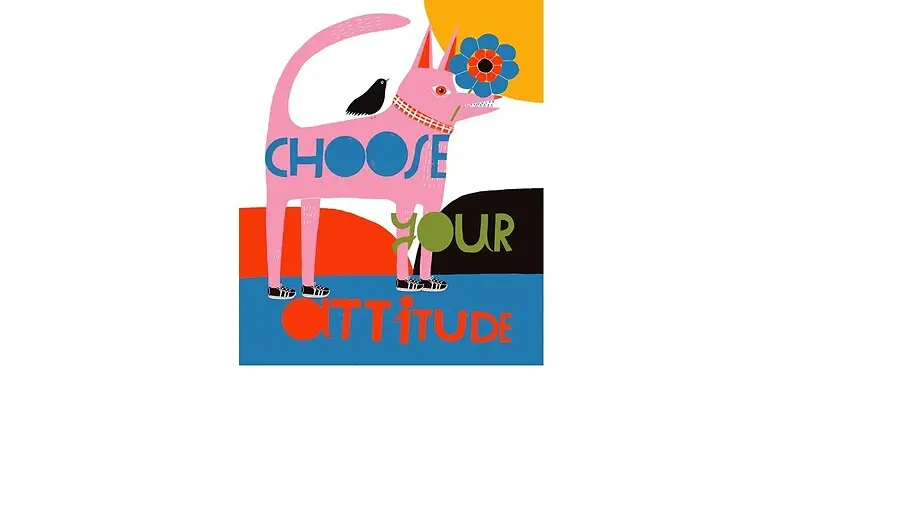
Applied Improvisation techniques teach us to accept uncertainty and ambiguity while learning and problem-solving. This kind of attitude and mental tendency cultivates an other-oriented sensibility. It seems counterintuitive, but it gears our minds toward empathy and collaboration.
Applied Improv practices often generate the side effect of laughter, but laughter is not the primary goal. Laughter can, however, make negotiation more fun and lead to unplanned interactions and solutions. Negotiation is serious business, and negotiators can experience more shared risk-taking, lightheartedness, and adaptive energy with an improv attitude.
Informal improv practice increases a negotiator’s comfort level and skill when faced with surprise and disruption, which are inevitable in important negotiations. This does not mean skipping over systematic preparation! It is, however, an important balance to the strict cognitive and mental discipline perfected by most negotiators today.
Applied Improv Game Rules
As a review from the previous article, here are the rules of the Applied Improv game:
- Be Curious and Listen.
- Be Present.
- Say “Yes, And…”; Accept and Build on Offers.
- Let Go; Suspend Judgment of Yourself and Others.
- Use Everything; Play the Scene You’re In.
- Embrace Uncertainty.
- Make Your Partner(s) Look Good.
- Trade Control for Influence.
- Co-Create by Leading and Following.
- Exercise Your Freedom Within Structure.
The Science of Dignity
In addition to our own attitude of acceptance, our counterparts can experience more dignity and respect for their interests with an improv mindset. Dr. Donna Hicks is a researcher in the field of dignity and addresses our underlying human desire to be treated with dignity, even in the most destructive political, organizational, and social relationships.
Applied Improv practices can tap into what Dr. Hicks claims is a human yearning we all have to feel dignity when problem-solving or resolving conflict with others. The game rules of improv encourage us to take a learning mindset and build on the assumption that no one likes to be treated in an undignified way. It is true that our nervous system often feels threatened in negotiation, but exploring the game rules can calm our sense of well-being and foster cooperative behaviors.
Without a check or discussion about the game rules first, relationships often break down in negotiations. As Dr. Hicks points out, when there is a threat to our dignity, our human impulse is to “attack and blame,” diminish, humiliate, or seek revenge on others—an evolutionary default wiring in our nervous system. Aggressive self-preservation and our own undignified behavior can accelerate and damage great negotiation solutions. Most of us do not intend to do this.
As an experiment, start your next negotiation with a discussion about the improv game rules and practice them while sharing a limited resource, problem-solving, or creating something new together. Everyone should feel free to express their genuine and creative self without fear of being judged negatively. These practices are simple techniques that instill psychological safety—something we are hearing a lot about in leadership practice today.
Recommended Practice
Each negotiator grabs a nearby object to represent what they are trying to sell to the counterpart.
- One seller/player begins with a sales pitch for this object to the buyer. Be as creative and outlandish as possible about the benefits of this object for the buyer.
- The buyer/player uses the YES, AND practice as the seller and buyer interact during the sales pitch. Do this for one minute.
- Then switch roles. The buyer now becomes the seller of a nearby object.
- REPEAT the one-minute sales pitch with the most creative and outlandish benefits of this object—using YES, AND.
Debrief
You and your counterpart discuss this buyer-and-seller creative experience:
- What did you each notice about yourself while you were the seller and as the buyer? What were you thinking about yourself and your counterpart during each round?
- How can these kinds of practice drills help you be more creative, accepting, and encouraging toward your counterpart in your negotiations?

I have been in my field since 1983, bringing over 40 years of experience in negotiation, conflict resolution, and cross-cultural communication. I served as a faculty member at Thunderbird School of Global Management from 1992 to 2014-2015, where I was a professor trained with a PhD in political science and international relations. I taught negotiation, cross-cultural communication, political economy, and mediation…





