Avoiding Burnout
Three Tips to Help You Off the Path to Burnout

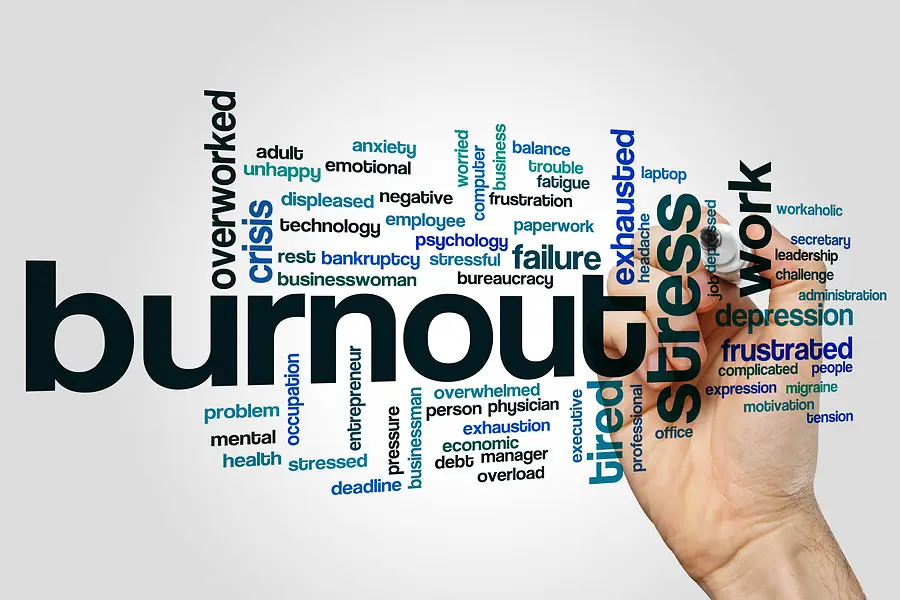
Burnout is no one’s idea of a good time. It touches all aspects of life—your health, work, and relationships. It zaps your energy and can take weeks or even months to recover from. Today, I’d like to share three tips to help you avoid burnout, because like a chronic illness, it’s easier to prevent than to recover from.
Let’s start with a definition. What precisely is burnout?
Burnout is defined as a state of emotional, physical, and mental exhaustion caused by prolonged or excessive stress.
Did you catch it? Did you pick up on the operative word there that opens the door to prevention? It’s “prolonged.”
Burnout doesn’t hit you like a migraine or the flu. It develops gradually over time, and that window of time is your opportunity to intervene—to stop burnout in its tracks and take ownership of your well-being.
Tip #1 – Bring awareness to how you really are. Most of us automatically respond “Fine!” when someone asks how we’re doing. That’s socially acceptable. What’s not okay is losing touch with how you actually feel. Pause. Put your hand on your heart and gently ask yourself, “How am I, really?” Then create space for whatever arises.
Don’t judge it. Don’t try to fix it. Simply observe.
Each time you do this, it’s like releasing steam from a pressure cooker. If you were to rip the lid off a pressure cooker the moment it came off the stove, it would explode. The same is true for unacknowledged emotions. Regular self-check-ins prevent emotional buildup. They help you process stress in manageable amounts rather than facing an overwhelming release later.
Tip #2 – Have the difficult conversations. Sometimes burnout is fueled by unspoken tension—with a supervisor, partner, parent, child, or another key person in your life.
If something is causing ongoing stress, it may be uncomfortable to address it directly. But it’s far healthier to have an honest conversation than to internalize the pressure, gossip about it elsewhere, or let it escalate into a crisis.
Yes, these conversations can feel daunting. But more often than not, they go better than we anticipate. The key is timing. Don’t wait until things are dire. Address concerns early, when calmer minds can prevail and solutions are still within easy reach.
Tip #3 – Prioritize your physical well-being. You are body, mind, and spirit—and when you care for one, you support them all.
When you’re under emotional or mental stress, anchor yourself in physical care:
Drink water
Take a walk outside
Eat nourishing food
Step away from screens
Get adequate sleep
Move your body
These basics are powerful.
When your body is supported, your resilience increases. You think more clearly and creatively. You have more energy and greater capacity to navigate challenges without becoming overwhelmed.
Burnout builds over time—which means prevention also happens in small, consistent moments. Check in with yourself. Speak what needs to be said. Care for your body.
These simple practices can make the difference between running on empty and living with sustainable energy and clarity.


