Becoming the Leader I Once Needed
Why Developing Others Has Become One of the Most Important Parts of My Leadership Journey

There is something powerful about reaching a point in your career when you realize that the experiences that once made your journey difficult have become the very things shaping how you lead others.
I didn't begin my career with a roadmap. I didn't have a carefully planned path into leadership, a collection of impressive credentials, or someone consistently opening doors and showing me what came next.
I learned by doing. By making mistakes. By asking questions. By paying attention to what worked, what didn't, and how the people around me responded to the decisions I made.
Some lessons came from exceptional leaders. Others came from experiencing exactly the kind of leadership I never wanted to practice myself. And somewhere along the way, I made a decision.
If I ever had the opportunity to lead others, I wanted to become the kind of leader I once needed.
Potential Doesn't Always Come With a Title
One of the greatest mistakes organizations make is assuming that leadership potential is always obvious.
It isn't.
Sometimes it's the quiet employee who consistently helps others without being asked. Sometimes it's the person who notices a problem and takes responsibility for solving it. Sometimes it's someone who has never considered themselves leadership material because nobody has ever suggested they could be.
I know what it means to build a career through experience rather than a traditional educational path. And I know how easily capable people can be overlooked when we focus more on what their résumé says than what their actions demonstrate.
Over nearly two decades in hospitality and operational leadership, I've learned that some of the strongest future leaders are already standing right in front of us. They simply need someone willing to recognize their potential and help them develop it.
A Promotion Isn't a Development Plan
We often celebrate when a great employee earns a leadership position. We give them a new title, additional responsibilities, and perhaps a little more authority. Then we expect them to lead.
But being exceptional at performing a job and being prepared to lead the people performing that job are two entirely different things.
Leadership requires skills that don't automatically come with experience or promotion. How do you have a difficult conversation without damaging trust? How do you hold someone accountable while still treating them with dignity? How do you develop confidence in others without micromanaging them? How do you lead through pressure when you're struggling to manage your own?
These aren't skills people should have to discover entirely through trial and error. Yet too often, that's exactly what happens.
We cannot expect people to become exceptional leaders if we never intentionally teach them what exceptional leadership looks like.
Turning Experience Into Opportunity
Today, I oversee an organization of 86 team members across housekeeping and janitorial operations at Bandon Dunes Golf Resort. Managing an operation of that size requires constant attention to staffing, performance, budgets, quality, safety, and the countless details that keep a luxury hospitality environment running.
But increasingly, I've found that some of my most meaningful work happens beyond the daily operation.
It happens when someone begins to see themselves differently. When a supervisor learns how to approach a difficult conversation with confidence. When a lead begins to understand that leadership isn't about controlling every detail. When a team member realizes that their voice, judgment, and ideas have value.
That belief has helped inspire two leadership development programs I've been building: The Standard, designed for emerging leaders, and The Summit, created for supervisors and managers.
Both are rooted in a simple philosophy: leadership development should be intentional, practical, and accessible. Not everyone needs the same level of development. But everyone deserves the opportunity to grow.
These programs aren't about creating perfect leaders. They're about creating stronger, more thoughtful, more confident people who understand the responsibility that comes with leading others. And perhaps most importantly, they're about giving people something I often wished I'd had earlier in my career: guidance before the difficult lessons arrive.
Leadership Is About More Than What You Accomplish
For much of my career, success was measured by results. Did we meet expectations? Did we stay within budget? Did we deliver the experience our guests deserved? Did we solve the problems in front of us? Those things still matter. They always will.
But my definition of success has expanded.
I think about the people who have worked alongside me over the years. The ones who grew into new responsibilities, discovered strengths they didn't know they had, or found the confidence to pursue opportunities beyond what they originally imagined. Those are accomplishments that don't always appear on a financial report or performance dashboard. But their impact can last far longer than any single operational achievement.
A strong leader can improve a department.
A leader who develops other leaders can influence an entire organization long after they've moved on.
Becoming What You Needed
I can't go back and change the beginning of my career. I can't give my younger self the mentorship, direction, or encouragement that might have made certain chapters easier. And in many ways, I wouldn't want to erase the experiences that shaped me.
They taught me resilience, resourcefulness, accountability, and the importance of recognizing potential in unexpected places. But I can choose what I do with those lessons.
I can make time for the conversations that matter. I can share what I've learned instead of expecting others to figure everything out for themselves. I can challenge people while making sure they know I believe in their ability to succeed. And I can continue building opportunities for the next generation of leaders to grow.
Because at this stage of my career, I'm beginning to understand something that feels more important than any title I've held.
The greatest measure of my leadership may not be how far I've climbed, but how many people I've helped find their own way forward.
I may not have started my career with the leader I needed. But every day, I have another opportunity to become that leader for someone else. And that may be the most meaningful part of the journey.
Kay Combs-John is an experienced hospitality and operations leader with more than 18 years of experience developing teams, strengthening organizational performance, and creating opportunities for emerging leaders.
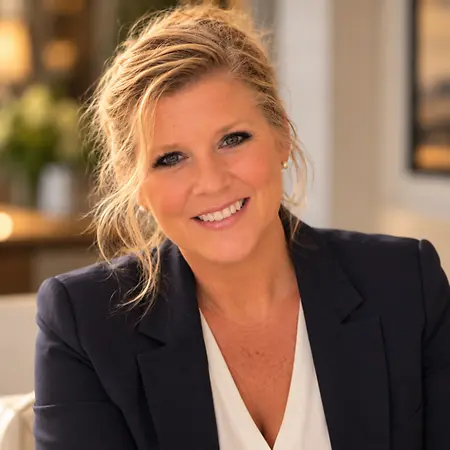
Kay Combs-John is an Executive Operations Leader with 18+ years of experience leading complex operations across luxury hospitality, resorts, private residential communities, healthcare, and senior living. Currently at Bandon Dunes Golf Resort, she leads an 82-person, multi-function organization spanning housekeeping and janitorial operations, overseeing workforce planning, labor and budget management, quality…