Being a Woman in the Fire Service
Finding Your Strength and Place in a Tradition Not Built for You

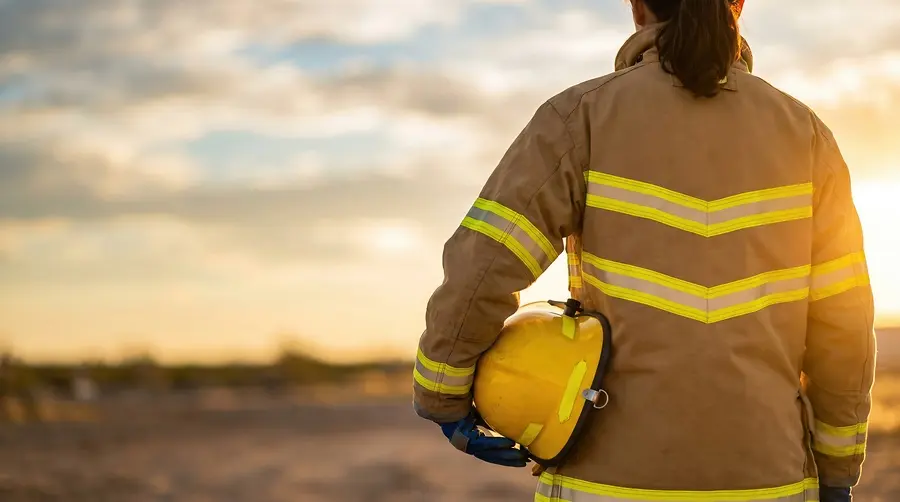
There’s a moment most women in the fire service recognize. You walk into a room, a station, or onto a scene, and you can feel the quick glance, the evaluation. It’s not new, and it’s not always hostile. The question hangs in the air: Can she do the job?
Being a firefighter means showing up and being capable of doing a physically demanding job. Regardless of whether you’re a man or a woman, the standards are the same because the people we serve rely on us.
Being a woman in the fire service means stepping into a role that wasn’t originally designed with you in mind. The gear hasn’t always fit properly, and women often have to develop techniques to accomplish the task at hand because they cannot rely solely on brute strength.
Taking up space in this field doesn’t have to mean being the loudest person in the room. It means trusting your training, speaking up when it matters, and not shrinking back when you know you’re right. It means contributing on calls, asking questions, and being part of the team without apologizing for being there.
Everyone makes mistakes, but as women in the fire service, our mistakes are often scrutinized more closely. At the same time, when we succeed, we shine brightly. The reality is that everyone in this job is constantly learning. No one walks in fully formed, and no one does it perfectly.
The fire service has always valued strength, but the definition of strength is broader than it sometimes gets credit for. Strength shows up in how you manage a chaotic scene, communicate with a frightened patient, and keep going after a difficult call. Those skills matter just as much as physical ability.
That’s part of why having women in the fire service makes a difference. Different perspectives can catch things others might miss. Communication styles can influence how a call unfolds. Even small things—like how you approach a patient or support a partner—can change outcomes in meaningful ways.
It also matters outside of the calls themselves. When people see women in these roles, it quietly expands what they expect and what they believe is possible. It doesn’t have to be a bold statement; it simply becomes normal. And that normalcy matters.
What helps is having people around you—mentors, partners, and coworkers—who treat you like part of the team and expect you to grow like anyone else. As more women enter the field, that support can extend even further, making it a little easier for the next person walking through the door.
Being a woman in the fire service isn’t about making a statement. It’s about doing the job well, standing your ground when necessary, and understanding that your presence adds something real to the team. Not because you’re trying to prove anything, but because you’re there, you’re capable, and that is enough.


