Beyond the Eye Drop: Why Modern Dry Eye Treatment Requires a Whole-Face Approach
Why Modern Dry-Eye Care Goes Beyond Eye Drops

For years, the conversation around dry eye was relatively simple: If your eyes were dry, you reached for eye drops.
Artificial tears certainly have an important place in dry-eye management, but today we understand that dry eye is far more complex than simply not having enough moisture on the surface of the eye. For many patients, repeatedly adding drops only addresses one piece of a much larger problem.
Modern dry-eye care is changing—and it is becoming much more comprehensive.
Dry Eye Is More Than "Dry Eyes"
Dry eye disease can involve tear-film instability, inflammation, poor meibomian gland function, eyelid dysfunction, environmental factors, and changes to the ocular surface. When the glands responsible for producing the oily layer of the tear film are not functioning properly, tears can evaporate too quickly.
That is why someone can use artificial tears several times a day and still experience burning, fluctuating vision, redness, watering, irritation, or a constant feeling that something is in their eyes.
The goal should not simply be to keep putting drops into the eye. The goal should be to understand why the patient needs the drops in the first place.
Moving From Band-Aids to Root-Cause Care
I often compare traditional symptom management to putting a Band-Aid over a problem.
The Band-Aid may provide temporary relief, but it does not necessarily address what is underneath.
The same concept can apply to dry eye. Artificial tears can lubricate the ocular surface, but depending on the patient's underlying condition, they may not address meibomian gland dysfunction, inflammation, blocked glands, or eyelid disease.
This is where in-office treatments have transformed the way we approach dry-eye patients.
Technologies such as intense pulsed light (IPL), radiofrequency, thermal therapies, gland-focused treatments, and other advanced modalities can be incorporated into a comprehensive treatment plan when clinically appropriate. These treatments allow practices to look beyond simply replacing tears and instead address contributing factors affecting the ocular surface and eyelids.
The Connection Between the Eyes, Eyelids, and Face
One of the most exciting developments in my own approach to patient care has been recognizing that the area around the eyes cannot always be viewed in isolation.
The eyelids and surrounding skin are part of the same anatomical environment.
The health of the eyelid margins, the meibomian glands, the skin surrounding the eyes, and the quality of the tear film can all influence the patient's overall experience.
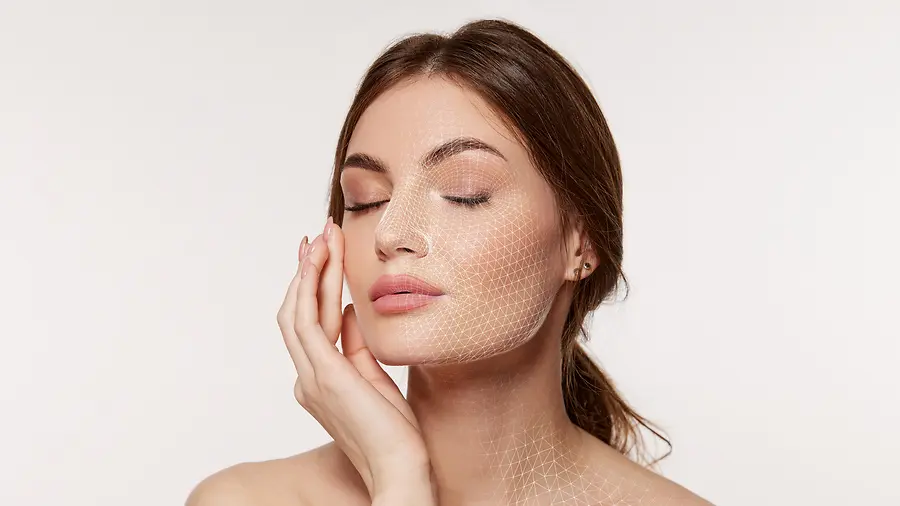
That is why I believe there is tremendous value in looking at the whole face—not just the eyeball.
A comprehensive approach can include appropriate dry-eye therapies alongside aesthetic technologies and professional skincare that address the health and appearance of the skin and tissues surrounding the eyes.
This does not mean treating dry eye with cosmetic products. It means recognizing that patients are often experiencing multiple concerns simultaneously and that there can be value in addressing those concerns through coordinated care.
Aesthetic Treatments Can Be About More Than Appearance
The word "aesthetic" is often associated exclusively with looking younger or improving appearance. But many modern aesthetic technologies work at a deeper level, focusing on tissue health, collagen remodeling, circulation, skin quality, and overall facial wellness.
When incorporated appropriately, treatments such as IPL and radiofrequency can have applications that extend beyond traditional cosmetic goals. Other aesthetic technologies can focus on skin tightening, texture, collagen stimulation, and the appearance of the delicate tissues surrounding the eyes.
Professional skincare can also play an important role in maintaining the health and integrity of the skin.
For me, this represents an important shift in how we think about care: patients don't necessarily want to treat one isolated symptom at a time. They want to understand the bigger picture.
Patients Deserve More Than a Bottle of Drops
One of the most rewarding parts of working in dry-eye care is watching a patient realize that they have options.
Many patients arrive after years of buying different over-the-counter drops, trying warm compresses, changing products, or simply learning to live with discomfort. They may have been told that their eyes are "just dry" without fully understanding why.
When we take the time to evaluate the tear film, meibomian glands, eyelids, inflammation, and surrounding structures, we can begin creating a much more individualized plan.
- Sometimes that plan includes drops.
- Sometimes it includes prescription therapy.
- Sometimes it includes in-office treatment.
- And often, it is a combination.
There is no single solution that works for every patient—and that is exactly why individualized care matters.
The Future of Dry-Eye Care Is Comprehensive
I believe the future of dry-eye treatment is moving away from a one-size-fits-all approach.
It is moving toward assessment, education, treatment, maintenance, and prevention.
It is about asking better questions:
- Why is this patient's tear film unstable?
- Are the meibomian glands functioning properly?
- Is inflammation contributing to the symptoms?
- Are the eyelids healthy?
- Is the patient evaporating their tears too quickly?
- What environmental or lifestyle factors are contributing?
- And what can we do beyond simply replacing the tears?
As someone who has spent years specializing in dry-eye care, I have seen firsthand how much the conversation has evolved. What was once primarily managed with bottles of artificial tears has become an area of care that can incorporate sophisticated diagnostic technology, in-office treatments, prescription therapies, lifestyle modifications, and—when appropriate—aesthetic and skincare approaches.
Treat the Patient, Not Just the Symptom
Ultimately, my philosophy is simple: don't just chase symptoms—look for the bigger picture.
A patient is more than their dry-eye diagnosis.
They are a whole person with eyes, eyelids, skin, lifestyle, concerns, and expectations. When we take the time to understand all of those factors, we can create a treatment strategy that is much more meaningful than simply telling someone to use another bottle of drops.
The goal isn't to eliminate eye drops from dry-eye care. The goal is to stop thinking that eye drops are the only answer.
Because sometimes the best way to treat the problem in front of you is to stop looking at just one part of it.
Modern dry-eye care is no longer simply about adding moisture. It is about understanding the cause, treating the contributing factors, and taking a comprehensive approach to the health of the eyes, eyelids, and surrounding face.


