Beyond the Studio
How mentoring transforms both new educators and seasoned teachers while building thriving, collaborative communities.

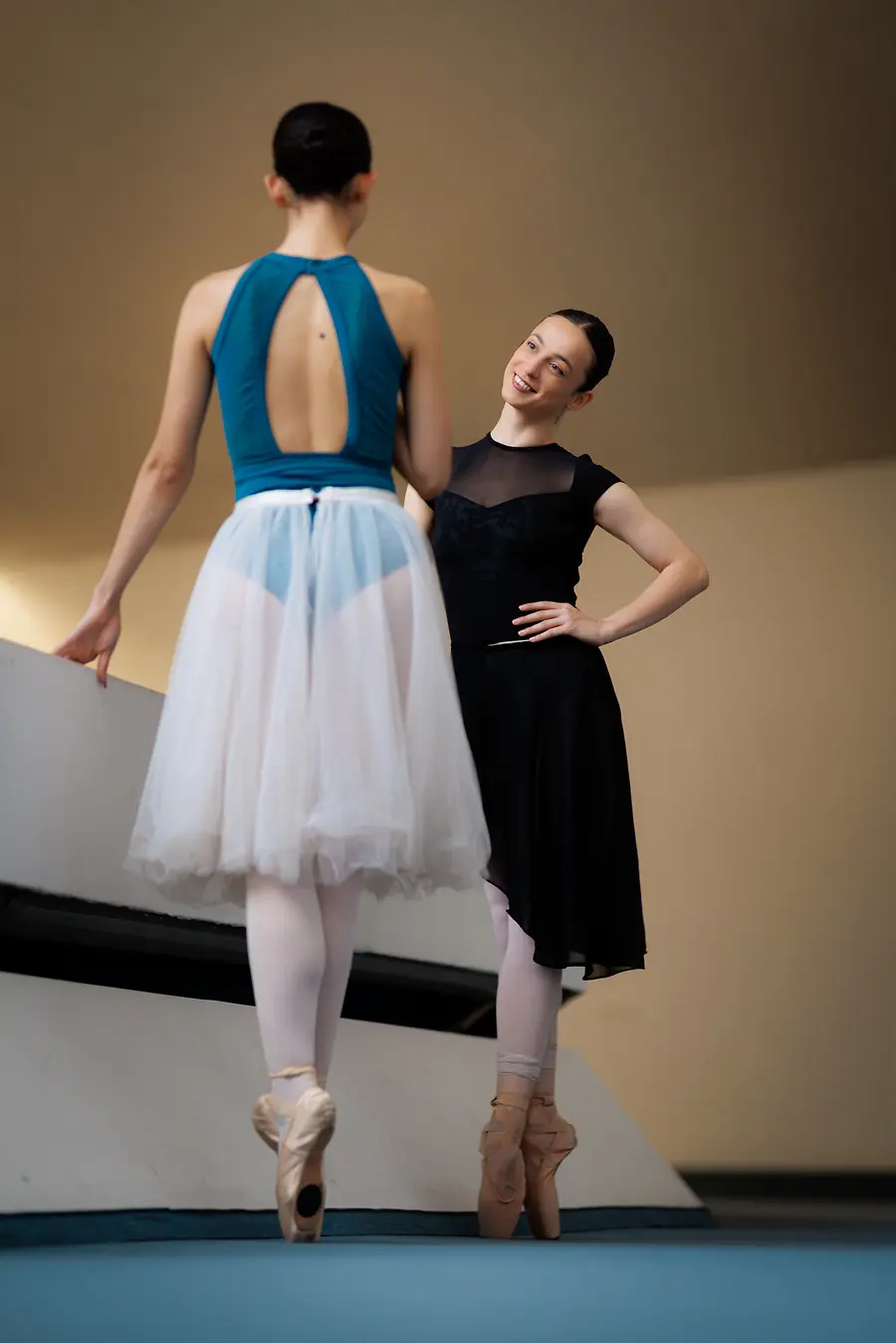
Mentorship: The Legacy We Leave Behind
When I first stepped into the role of a dance educator, my primary focus was mastery: mastering classroom management, refining technique, and translating movement into lessons that resonated with students. But as my career evolved, I realized that true longevity in education—or any field—isn't just about what we build for ourselves. It is about what we pass on to those coming up behind us.
Mentoring new dance educators has become one of the most fulfilling chapters of my career. It has challenged me to deconstruct what I do automatically, examine why I do it, and rebuild it into something actionable for someone else. In doing so, I've found that mentorship isn't just a service to new teachers; it is a vital catalyst for our own professional growth.
The Rewarding Reality of Seeing Mentees Succeed
There is a unique pride in watching an early-career educator find their voice. In the beginning, new teachers often navigate a difficult balance between maintaining authority and inspiring artistic freedom. They worry about lesson pacing, managing different skill levels, and finding their personal teaching style.
I remember one of my early mentees—an exceptionally talented instructor who found herself struggling with confidence and classroom management. After a lesson that felt like a flop, she looked at me with genuine frustration and said, "This isn't how I expected this to go. I don't understand why it's not working."
As we unpacked the lesson together, we realized she was applying a traditional private-studio lens—where students self-select into dance—to a public K–12 classroom. In K–12, we teach beautifully diverse populations of students, many of whom are in dance class whether they chose to be or not. Together, we shifted her focus toward culturally responsive, highly engaging strategies tailored to who was actually in her room. Watching her pivot her approach was a turning point for her confidence, and it became a foundational cornerstone for how I mentor educators today.
Moments like that offer a sense of accomplishment that no personal accolades can match. Knowing you played a small role in helping someone step into their power is the real reward of leadership.
How Mentoring Refreshes the Mentor
It is easy for seasoned professionals to operate on autopilot. When you have taught a subject or managed a process for years, intuition takes over.
Mentoring forces you off autopilot.
When a new educator asks, "Why do you structure your warm-up this way?" or "How do you handle a student who isn't engaging?", you are forced to articulate your implicit knowledge. You have to evaluate whether your methods are still effective or if they're simply habits.
A few years ago, I hosted two resident dance educators for a full academic year. Having them alongside me meant exposing every layer of my practice—from how I build a welcoming classroom culture and teach foundational routines to how I architect a K–8 sequential curriculum aligned with state standards. They saw the full operational cycle, including how I design units, construct assessments, and produce large-scale dance concerts.
Operating under that level of transparency felt like a year-long formal observation. It forced me to move from intuitive teaching to explicit instruction. To mentor them effectively, I had to deconstruct my own decision-making and clearly articulate why I chose specific methods. That period of intense intentionality sparked more professional growth for me than any workshop ever could. By constantly examining my own practice through their eyes, I became a sharper, more deliberate educator.
Teaching someone else how to teach keeps your own practice dynamic, reflective, and constantly evolving.
The Broader Impact: Building Sustainable Communities
At its core, mentorship is about sustainability. In high-energy, high-passion fields like dance education, burnout is a real threat. By offering new teachers a sounding board, constructive feedback, and a safe space to iterate, we build a supportive network rather than isolated classrooms.
Over time, the true reward of this work has evolved in ways I never expected. Years later, many of those early mentees are now my trusted everyday colleagues and dear friends. Watching them grow from hesitant beginners into confident, influential leaders within our district—and now collaborating with them as peers—has been one of the greatest privileges of my career.
Where there used to be separate studios operating in silos, we have cultivated a close-knit, highly collaborative network of dance educators who constantly share resources, troubleshoot challenges, and uplift one another.
As I look toward the future of my work, my goal remains simple: to continue raising the standard of education by lifting others as I grow. There is no greater feeling than looking across a district meeting or performance venue and seeing former mentees who have become co-creators, trusted partners, and lifelong friends.
When we invest deeply in the next generation, we don't just build better teachers—we build a thriving, connected community where everyone rises together.


