Big or Small...Let's Save Them All
Empowering Women Through Early Detection, Self-Awareness, and Advanced Screening Technologies

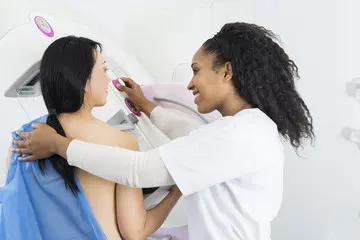
Big or Small... Let's Save Them All
By Dr. Stephanie Allen-Gobert
Healthcare Educator and Diagnostic Sonographer
Like many young girls, I couldn't wait to wear my first training bra. I remember being excited to see the first signs of growing up. When my breasts first began to develop, I wasn't quite sure what to do with them or even understood their purpose. I simply knew I had them, a new bra, and the girl next door didn't! Little did I know that one day, those same breasts would represent so much more than beauty. They would nourish babies with optimal nutrition and immune-supporting antibodies, symbolize womanhood, and, most importantly, serve as an important indicator of health.
As a diagnostic sonographer, I see women with breasts of every size. Some are blessed with larger breasts, while others have smaller ones. Sadly, I also care for women who have lost one or both breasts following a mastectomy due to breast cancer. Their strength and resilience are truly inspiring. This article is dedicated to promoting breast health by emphasizing the importance of mammograms, early detection, and becoming familiar with your own body.
For decades, mammography has remained the gold standard for the early detection of breast cancer and continues to be one of our strongest tools in the fight against this disease. According to the American Cancer Society, women ages 40 to 44 have the option to begin annual mammograms. Women ages 45 to 54 should receive yearly screenings, while women age 55 and older may continue with annual mammograms or transition to every-other-year screening based on their health and personal preferences. Every woman should discuss her personal risk factors and screening schedule with her healthcare provider, as recommendations may vary depending on family history and other health conditions.
Medical imaging continues to evolve at an incredible pace. Advances such as 3D mammography (digital breast tomosynthesis), breast ultrasound, breast MRI, artificial intelligence (AI), and PET imaging in selected cases are helping physicians detect breast cancer earlier and with greater accuracy. These technologies are improving outcomes and saving lives. In fact, when breast cancer is detected early and remains localized, the five-year survival rate exceeds 99 percent.
Breast health also begins at home. It starts with teaching our daughters—and reminding ourselves—to become familiar with the normal appearance and feel of our breasts. While mammograms remain an effective screening tool, knowing what is normal for your body can help you recognize changes sooner.
Women should be aware of any new lump, thickening, skin dimpling, nipple discharge, persistent pain, or changes in the size or shape of the breast. If you are still menstruating, it is generally best to examine your breasts a few days after your menstrual cycle ends, when they are less tender. If you are postmenopausal, choose the same day each month to perform your breast self-check.
You can examine your breasts while showering, lying down, or standing in front of a mirror. Using the pads of your three middle fingers, gently feel the entire breast—from the collarbone to the rib cage and from the armpit to the sternum. If you notice any unusual changes, contact your healthcare provider promptly.
October is Breast Cancer Awareness Month, and it will be here before we know it. There is no better time to make your breast health a priority. Schedule your mammogram, become familiar with your breasts, and encourage the women you love to do the same.
Early detection truly saves lives.
Remember, your health is your greatest wealth. Because when it comes to breast health—big or small—we're committed to saving them all.


