
Black Women Are Not the Competition
Admiring Black culture means respecting Black women—not treating men as trophies or competing for validation.

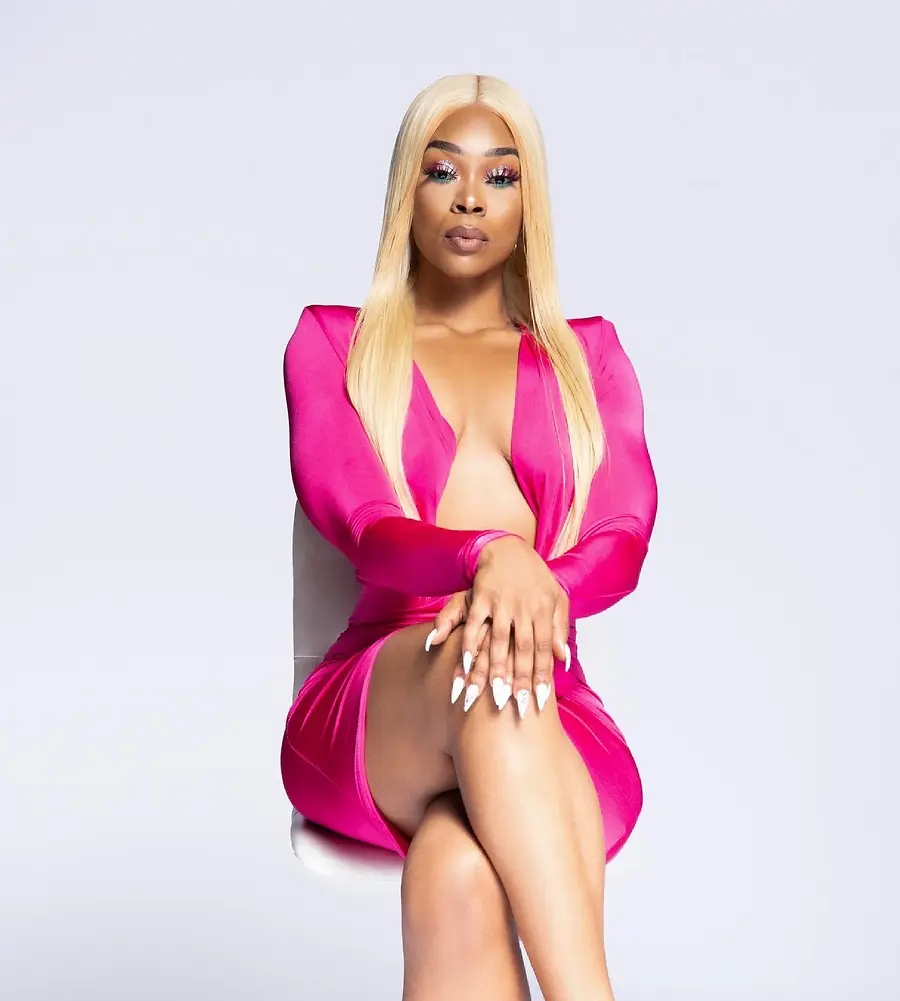
There is a conversation Black women should be able to have without being accused of jealousy: admiration of Black culture is not the same thing as respect for Black women.
Interracial relationships are not inherently problematic. Black men have the autonomy to love and marry whomever they choose, just as Black women do. The problem begins when Blackness becomes desirable on a man but objectionable on a woman.
A Black man should never become a cultural accessory—a symbol of proximity to Blackness, masculinity, music, athleticism, style, or social currency. Likewise, a non-Black woman dating a Black man does not automatically acquire authority over Black women, Black history, or the Black experience.
There is an uncomfortable contradiction when someone praises Black men while simultaneously belittling the women who share their history, families, and communities.
You Cannot Love Black Culture While Looking Down on Black Women
Some Black women are unapologetically pro-Black. That does not necessarily mean anti-anyone else.
For me, being pro-Black means believing our communities deserve education, accountability, stable families, economic development, cultural literacy, wellness, and generational opportunity. It also means being willing to critique problems within our own communities because love does not require pretending everything is perfect.
Black women should not have to dilute that conviction to make other groups comfortable.
And cultural proximity is not cultural superiority.
Speaking Spanish does not make a Hispanic woman superior to a Black woman. Having looser curls does not make one woman more feminine, desirable, or sophisticated. Having hair resembling textures marketed to Black women for certain protective styles does not diminish the beauty or complexity of tightly coiled African-descended hair.
- Hair texture is not a hierarchy.
- Language is not a hierarchy.
- Dating a Black man is not a hierarchy.
Black Men Are Not Trophies
Black men are human beings, not evidence that someone has been accepted into Black culture.
The same standard applies in reverse. Black women should not treat men of another race as trophies either.
There is something unhealthy about any relationship culture that turns romantic partners into racial status symbols. Attraction can be genuine without fetishization. Interracial love can exist without degrading people from either partner's community.
A woman should not need to insult Black women to validate why a Black man selected her.
And Black women do not need to enter that competition.
Our lives are larger than chasing male validation.
Education matters. Careers matter. Entrepreneurship matters. Family matters. Health matters. Faith matters. Creativity matters. Financial independence matters. Community matters.
A woman who understands her direction does not have to spend her existence competing over who received a man's attention.
Protective Styles Are Not Evidence of Inferiority
Black hair deserves particular sensitivity because our relationship with hair carries generations of cultural meaning.
Black women have transformed braids, locs, twists, wigs, extensions, silk presses, Afros, and countless other styles into an extraordinary language of creativity. Protective styling is often exactly what its name suggests: a method of styling and protecting natural hair.
The global beauty industry may sell textures originating from many populations, but purchasing or wearing a particular texture does not mean Black women secretly wish to belong to another ethnicity.
Our versatility should not be mistaken for self-rejection.
Black women can wear 4C coils on Monday, waist-length braids next month, and a silky wig afterward without surrendering Black identity in any of those presentations.
That versatility is part of the artistry.
Solidarity Requires Reciprocity
I welcome genuine solidarity from Hispanic, Latina, White, and other non-Black women. But solidarity cannot mean enjoying Black music, Black slang, Black aesthetics, Black men, and Black entertainment while becoming uncomfortable when Black women discuss racism, colorism, or anti-Black stereotypes.
If you stand beside Black women, stand beside the whole woman.
- That includes the woman with tightly coiled hair.
- The educated Black woman.
- The Southern Black woman.
- The corporate Black woman.
- The outspoken Black woman.
- The traditional Black woman.
- The glamorous Black woman.
- And the pro-Black woman who loves her community enough to demand more from it.
None of these women should have to make themselves smaller for somebody else to feel culturally significant.
Spirituality Is Not a Weapon
There is another boundary worth stating carefully.
Santería and other Afro-diasporic spiritual traditions have complex histories and should not be reduced to stereotypes about curses, witchcraft, or malicious behavior. People have a right to their religious and spiritual traditions.
What I reject is any person, from any religious background, invoking spirituality as intimidation, retaliation, or a supposed weapon against another woman.
Respect my beliefs and boundaries, and I will respect yours.
Cultural solidarity should never require religious disrespect in either direction.
There Is Enough Room for Women to Respect One Another
Black women do not need supremacy. We need dignity.
We should be able to celebrate our African-descended features, histories, and communities without someone interpreting Black pride as an attack on everybody else.
And women outside our community who genuinely appreciate Black culture should not feel threatened by that pride.
- There is room for interracial love.
- There is room for multicultural friendship.
- There is room for Hispanic and Black solidarity.
- There is room for different languages, textures, traditions, and histories.
But there should never be room for building one woman's confidence by degrading another woman's ethnicity.
Black men are not accessories. Black women are not obstacles. Culture is not a competition.
And respecting Black culture must eventually include respecting the Black women who have carried, protected, challenged, and contributed to that culture for generations.
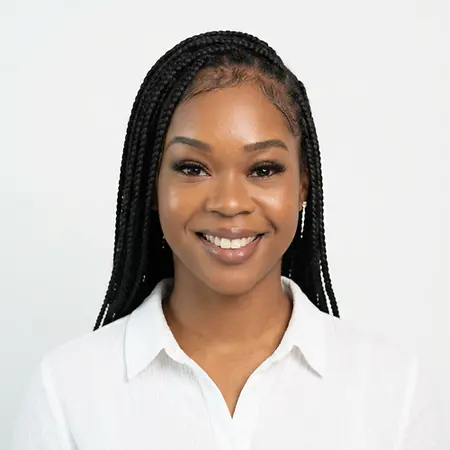
Adrienne Floyd is a treasury and finance professional with an MBA from Florida A&M University, specializing in cash management, financial operations, and data-driven reporting. She has distinguished herself by introducing Power BI reporting solutions within treasury departments, helping transform traditional spreadsheet-based reporting into dynamic KPI dashboards that strengthen visibility, analysis, and strategic…





