Building Health Before Treating Disease
Why Prevention, Education, and Community Partnership Are the Real Foundation of Health

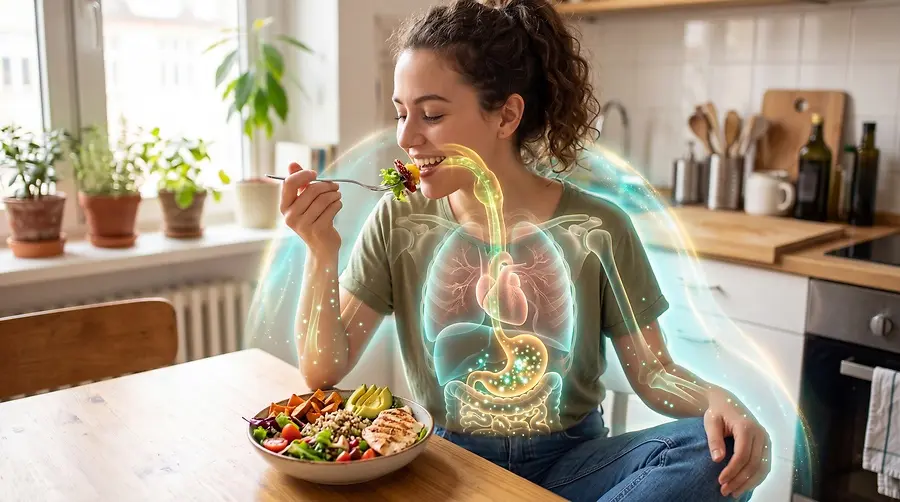
Health Begins Long Before the Hospital
When most people think about health, they think about doctors, medications, or hospitals. Those are all essential parts of healthcare, but they're not where health truly begins.
Health begins long before someone walks through the doors of an emergency room.
It begins with the choices we have, the knowledge we receive, and the environments we live in every day. It starts in our homes, schools, grocery stores, community gardens, libraries, workplaces, and neighborhoods. It starts with learning how to prepare a healthy meal, understanding what a nutrition label means, having access to fresh food, knowing when to seek preventive care, and feeling supported by the people around us.
Hospitals play a critical role. They save lives every day, and I have tremendous respect for the healthcare professionals who care for patients when they need it most. But many of the chronic diseases that fill hospital beds don't begin there. They often develop over years because of limited access to education, nutritious food, preventive resources, or opportunities to build healthy habits.
Why Do We Spend So Much Time Teaching People How to Manage Disease?
One question has stayed with me for years:
Why do we spend so much time teaching people how to manage disease, but so little time teaching them how to reduce their risk of developing it?
Many adults have never been taught how to read a nutrition label, prepare healthy meals on a budget, understand the connection between food and chronic disease, or recognize the small lifestyle changes that can have a lasting impact on their well-being. Then we wonder why chronic disease continues to rise.
I believe one of the greatest investments we can make isn't just in healthcare it's in health education. When people have practical knowledge, accessible resources, and the confidence to make informed decisions, they're better equipped to build healthier lives long before illness becomes a medical crisis.
Healthier Communities Aren't Built by One Profession or One Organization
Healthier communities aren't built by one profession or one organization. They're built when physicians, nurses, pharmacists, dietitians, community health workers, farmers, chefs, educators, researchers, and neighbors all recognize they have a role to play. When each of us shares what we know and works together, we move from simply treating illness to creating communities where wellness has a chance to thrive.
Pharmacists: Hiding in Plain Sight
And while we're talking about overlooked health heroes, can we give pharmacists the credit they deserve?
Most people think of them as the friendly person behind the counter who hands over a prescription and reminds you to "take with food." In reality, they're some of the most accessible healthcare professionals in our communities. They're trained to identify medication interactions, answer questions, help prevent harmful side effects, and often catch problems before they become much bigger ones.
Pharmacists may be the people who save you from mixing the wrong medications, explain why your grapefruit is causing trouble, and still wish you a nice day with a smile. That's a pretty impressive job description, if you ask me.
I like to think of pharmacists as one of healthcare's best-kept secrets, hiding in plain sight. The more we recognize and use the expertise of every member of the healthcare team, the better equipped we are to help people live healthier lives not just when they're sick, but every day.
Giving People the Tools to Take Ownership of Their Health
That belief has shaped my work and the mission of SLICE 325. It has never been about telling people what they should eat. It's about helping people understand their options, build confidence, and make healthy choices that fit their lives.
Whether it's through cooking classes, gardening, preventive wellness programs, community partnerships, research collaborations, or emerging technologies, every effort shares the same goal: giving people the tools to take ownership of their health.
Prevention and Treatment Are Not Competitors They Are Partners
Now imagine what could happen if we invested as much energy into building healthy communities as we do into treating disease.
What if every child learned basic nutrition alongside math and science?
What if every family had access to practical wellness education, healthy food, and community support?
We would still need hospitals and we always will but perhaps fewer people would arrive there with conditions that could have been delayed, better managed, or even prevented.
The future isn't about replacing hospitals. It's about strengthening the communities that help people stay healthier before they ever need one.
Prevention and treatment are not competitors they are partners. One helps people recover, while the other helps people avoid unnecessary suffering in the first place.
Because healthier communities don't happen by accident. They are built through education, opportunity, partnership, innovation, and people who believe prevention is just as important as treatment.
If we truly want to transform healthcare, we must also transform how we educate, support, and empower the people who live in our communities every single day.
What Role Do You Play in Building a Healthier Community?
So, I'll leave you with one question:
What role do you play in building a healthier community?
You don't have to work in a hospital to make a difference. Sometimes the greatest impact begins with sharing knowledge, supporting a neighbor, planting a garden, mentoring a child, asking a pharmacist a question, or simply making one healthier choice today than you did yesterday.
Building healthier communities is a responsibility we all share.


