Building Your Way to the Top
How Women Leaders Use Trust to Open Doors in Boardrooms and Business

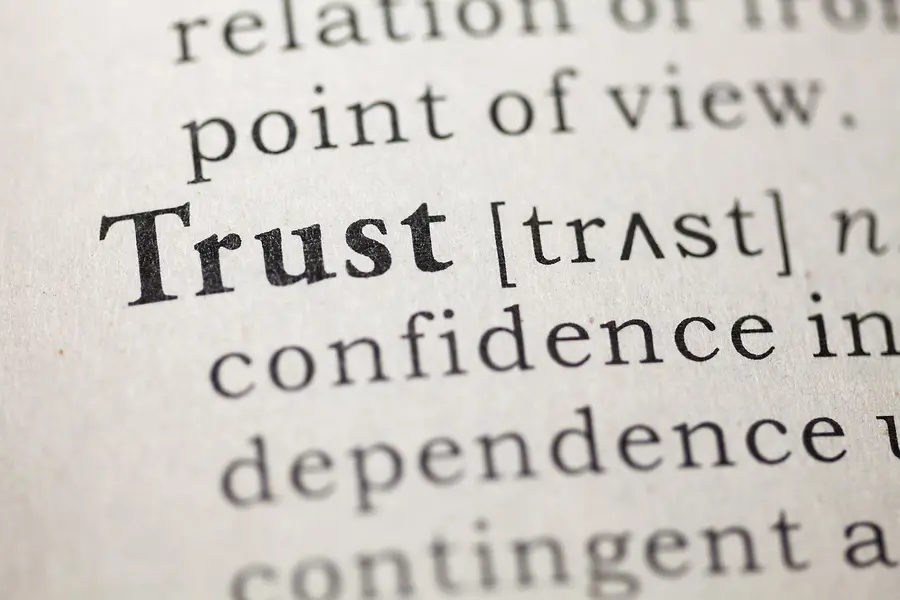
Building Your Way to the Top: How Women Leaders Use Trust to Open Doors in Boardrooms and Business
By Yolanda K. Davis
I’ll never forget the day a senior executive pulled me aside after a particularly contentious board meeting.
“Yolanda,” he said, “you have a gift. You get people to say yes without them even realizing they’ve changed their minds.”
I smiled, but inside, I knew the truth: it wasn’t a gift. It was trust. And trust, I’ve learned over three decades in Fortune 100 boardrooms—and now as an entrepreneur—is the most underrated and most powerful currency a woman leader can possess.
The Trust Gap Women Face
Let’s be honest about something most leadership books won’t tell you: women leaders operate on a different playing field. We’re often caught in impossible binds—too assertive and we’re “aggressive,” too collaborative and we’re “soft.” We watch our male counterparts network over golf while we’re questioned about our commitment when we leave at 5:30 to pick up our kids.
And here’s the kicker: we’re expected to prove ourselves repeatedly, even after we’ve earned our seat at the table.
So what do many of us do? We work harder. We stay later. We overprepare. We try to out-hustle, out-perform, and out-prove everyone around us.
But I’m here to tell you there’s a better way. A way that doesn’t require you to sacrifice your authenticity, compromise your values, or burn yourself out trying to fit into someone else’s mold.
That way is trust.
What Trust Really Means in Leadership
When I talk about trust, I’m not talking about being liked. I’m not talking about being the “nice” leader who avoids difficult conversations or shrinks from bold decisions.
I’m talking about something far more strategic—and far more powerful.
Trust is what happens when people know you’ll do what you say, that your word is your bond, that you see them and their contributions, and that you’ll tell them the truth—even when it’s uncomfortable.
Trust is the foundation upon which influence is built. And influence—not politics, not manipulation, not “playing the game”—is what opens doors in boardrooms and business.
After more than 30 years of leading organizational transformations, sitting in C-suites, and now building my own enterprises, I’ve developed what I call the TRUST Framework. It’s not theory. It’s a battle-tested playbook that has helped me navigate mergers and acquisitions, turn around struggling cultures, and—yes—advance without compromising who I am.
The Five Pillars of the TRUST Framework
T – Transparency
Women leaders are often told to “fake it till you make it” or to never show uncertainty. But I’ve found the opposite to be true. When you’re transparent about what you know, what you don’t know, and what you’re working to figure out, people trust you more—not less.
Transparency doesn’t mean oversharing or being unprofessional. It means being honest about challenges, clear about expectations, and open about your decision-making process. When people understand your why, they’re far more likely to support your what.
R – Reliability
This is where many aspiring leaders stumble. They make commitments they can’t keep, overpromise to impress, or say yes when they should say no.
Reliability means doing what you say you’ll do—every single time. It means being consistent in your standards, your reactions, and your follow-through. It means people know what to expect from you, and they can count on it.
Here’s a secret: reliability is one of the fastest ways for women to build credibility in male-dominated spaces. When you consistently deliver, excuses fall away and results speak for themselves.
U – Understanding
This is about more than empathy (though empathy matters). Understanding means taking the time to truly know your stakeholders—what drives them, what concerns them, and what success looks like to them.
I once turned around a company’s culture by simply asking questions and listening. We went from being ranked in the bottom tier to #1 on Forbes’ Best Places to Work list—not because I had all the answers, but because I understood what employees needed and built solutions around those needs.
When people feel understood, they trust you with their best work, their honest feedback, and their loyalty.
S – Strength
Let me be clear: trust-based leadership is not soft leadership. Strength means having the courage to make difficult decisions, to have hard conversations, to hold people accountable, and to stand firm in your values—even when it costs you something.
I’ve had to make tough calls—layoffs, restructures, confronting senior leaders about toxic behavior. These moments test your character. But when people see that you have the strength to do what’s right, not just what’s easy or popular, they trust you to lead them through uncertainty.
Strength also means setting boundaries. No, you don’t have to attend every meeting. No, you don’t have to respond to emails at 11:00 p.m. No, you don’t have to tolerate disrespect in the name of “team dynamics.” Your strength teaches others how to treat you.
T – Truth-Telling
This is perhaps the most countercultural element of trust-based leadership. In a world of corporate speak, political maneuvering, and carefully crafted messaging, truth-telling sets you apart.
Truth-telling means giving honest feedback, naming the elephant in the room, and being willing to say what others are thinking but won’t voice. It means you don’t sugarcoat bad news—but you also don’t weaponize truth to wound people.
I’ve watched women leaders gain enormous influence simply by being the person who will tell the CEO what’s really happening on the ground floor, or who will advocate for an unpopular but necessary change.
Truth builds trust. Trust builds influence. Influence opens doors.
From Boardrooms to Entrepreneurship: Trust Scales
Here’s what fascinates me: the TRUST Framework works whether you’re climbing the corporate ladder or building your own business. The principles don’t change—only the context does.
In the boardroom, trust allows you to navigate organizational politics without becoming political. It positions you as the leader people want to promote because they know you’ll represent the company’s values—not just your own agenda.
In entrepreneurship, trust becomes your brand. It’s why clients refer you. It’s why partners want to collaborate with you. It’s why investors bet on you. When I transitioned from Fortune 100 executive to founder and CEO, I didn’t have to reinvent myself—I simply applied the same trust-building principles in a new arena.
Whether you’re pitching to a board, negotiating a partnership, leading a team through change, or launching a new venture, trust is the bridge between where you are and where you want to go.
The Cost of Compromising Your Values
I know the temptation. I’ve felt it myself. When you’re the only woman in the room, when you’re fighting for a seat at the table, when you see others getting ahead by playing games you find distasteful—it’s tempting to think you have to compromise who you are to succeed.
But here’s what I’ve learned: short-term wins gained through compromise often lead to long-term losses in credibility, peace of mind, and self-respect.
I’ve watched talented women leaders flame out not because they weren’t capable, but because they tried to succeed in ways that violated their core values. The cognitive dissonance became unbearable. The mask became too heavy to wear.
And I’ve watched other women—women who stayed true to themselves, who built influence through trust rather than manipulation—rise further and faster, with their integrity intact and their impact amplified.
You don’t have to choose between success and your values. That’s a false choice patriarchal systems have sold us for too long.
Building Your Trust Advantage
So how do you start building your trust advantage today?
Start with self-awareness. Where are you already demonstrating the TRUST Framework? Where are you falling short? Be honest with yourself.
Identify one relationship where trust needs to be built or rebuilt. Apply one element of the framework intentionally. Be transparent about a challenge. Follow through on a commitment. Have a courageous conversation.
Stop apologizing for your standards. If you value integrity, say so. If you won’t tolerate toxic behavior, make it known. If you need boundaries to do your best work, set them. Your clarity creates trust.
Measure your influence, not your likability. Are people seeking your input? Are they implementing your ideas? Are doors opening that were previously closed? These are the metrics that matter.
Invest in other women. One of the most powerful ways to build trust is to use your influence to lift others. Sponsor a junior woman leader. Share your platform. Make introductions. Trust multiplies when it’s shared.
The Long Game
Building trust isn’t always the fastest path to the top. I won’t lie to you about that. In a world that often rewards the loudest voice, the slickest politician, or the most aggressive self-promoter, trust-based leadership can feel like playing the long game.
But it is a game worth playing.
Because when you build your career, your business, and your leadership on a foundation of trust, you build something sustainable—something that doesn’t crumble when the market shifts, when the spotlight moves, or when the political winds change direction.
You build influence that endures.
You open doors that stay open.
You create a legacy that matters.
After 30 years in leadership, I can tell you with absolute certainty: the leaders I most respect—the ones who’ve had the most meaningful impact, the ones who sleep well at night—aren’t the ones who compromised their way to the top.
They’re the ones who built their way there. With trust. With integrity. With influence that was earned, not extracted.
And if they can do it, so can you.
Yolanda K. Davis is the Founder & CEO of YK Davis Consulting Group and Executive Shift Academy, a Gallup-Certified Strengths Coach, and author of The Trust Advantage: The Playbook for Advancing with Integrity. With over 30 years of Fortune 100 HR executive experience, she helps women leaders advance without compromise through her proprietary TRUST Framework.
Ready to build your trust advantage? Connect with Yolanda on LinkedIn at linkedin.com/in/yolandakdavis or visit www.yolandakdavis.com to learn more about the Executive Shift Academy.


