Cancer Was a Diagnosis, Not a Verdict: My Life Is Proof
How one woman's cancer diagnosis became a mission to help others prepare for life's most difficult moments.

Preparation Is One of the Most Practical Ways We Can Love People
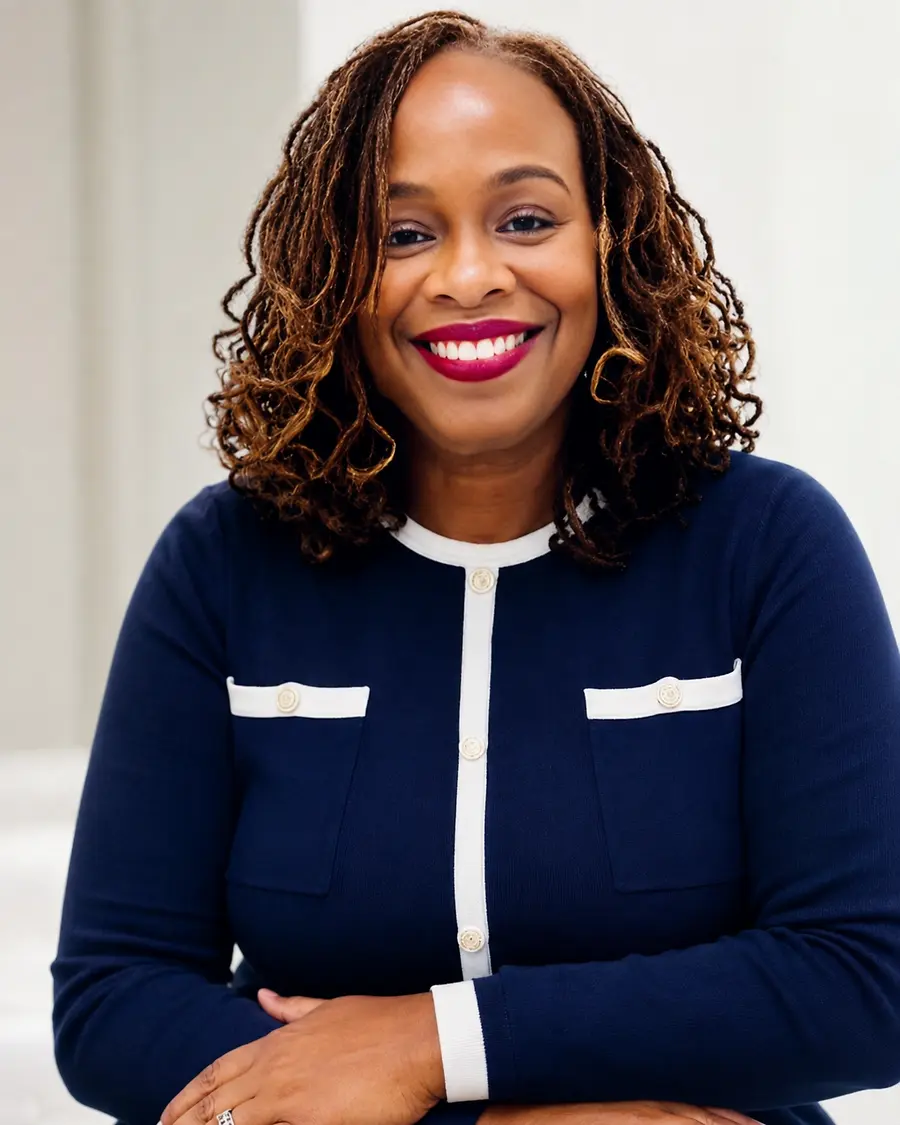
I was sitting in a hospital room in 2020, in the middle of treatment for multiple myeloma, when someone asked me a question I could not answer.
“Do you have your healthcare power of attorney on file?”
I didn’t.
That stopped me.
I had spent years working in supply chain management and hospice contracts. I understood healthcare systems from the inside. I knew how complicated healthcare could become for families.
Yet there I was, the patient this time, realizing that one of the documents that could matter most during a medical crisis was not in place.
I remember thinking, If I didn’t have my paperwork in order, how many other people didn’t either?
My diagnosis had already changed my life, but that question changed something else. It changed the way I thought about preparation.
Multiple myeloma is considered a relatively rare cancer, but I quickly learned that its impact in the Black community is anything but insignificant. African Americans are diagnosed with multiple myeloma at roughly twice the rate of White Americans.
In 2020, I became part of that statistic.
But I never wanted to become only a statistic.
I went through treatment and eventually underwent an autologous stem cell transplant. My family walked through that season with me, including my daughter, who was young enough that cancer was something she had to learn to understand alongside me.
There were appointments, medications, questions, fear, faith, uncertainty, and days when simply getting through the day was enough.
But somewhere in that season, I made a decision.
Cancer was a diagnosis.
It was never going to become the entire definition of my life.
I did not want the rest of my story to revolve around fighting cancer every morning when I woke up. I wanted to live. Fully. Intentionally. Faithfully.
I wanted to continue building things that mattered.
One of those things became Bonton Notary Express Solutions.
I started the business in 2024, but its roots go back to that hospital room.
I kept thinking about the families who discover that important documents are missing at the exact moment they need them most.
Not on a quiet Tuesday afternoon when everyone has plenty of time.
In a hospital room.
At a nursing home.
During an emergency.
After a diagnosis.
While someone is trying to help an aging parent.
When the family is already overwhelmed.
As a Louisiana Civil Law Notary, I began focusing much of my work on helping people properly execute documents involving powers of attorney, wills, trusts, estate planning, and other important life matters.
I do not practice law, and I do not provide legal advice. When someone needs legal guidance, I encourage them to speak with an attorney.
But I can help make the notarization and document-execution process more accessible.
That distinction matters to me.
For the past year, I have also partnered with a local community organization to provide pro bono notary and document-execution support to families who may otherwise struggle to access those services.
That work may never be the biggest revenue generator in my business.
It may be the most important work I do.
Because preparation should not be reserved only for people who can easily afford it.
That same conviction has carried into other parts of my life.
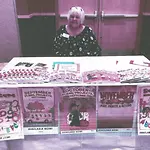
First, I created a notary-themed coloring and activity book because I believe legal literacy can begin with simple conversations.
Next, I created the Beet Cancer Courage Planner for patients, survivors, and caregivers trying to organize the very real chaos that comes with a cancer diagnosis.
Now, I am in the process of publishing Bella’s Wishes, a children’s book inspired by my own experience with multiple myeloma and a stem cell transplant, because children deserve language that helps them understand what is happening when someone they love gets sick.
And through House of Bon Temps Collective, my husband and I are building another expression of that same philosophy around wellness, heritage, restoration, and intentional living.
Different businesses.
Different projects.
One thread runs through all of them: preparation.
I have come to believe that preparation is one of the most practical ways we can love people.
We prepare because life does not always send an invitation before something extraordinary happens.
Sometimes extraordinary means beautiful.
Sometimes it means devastating.
Either way, being prepared gives the people we love one less thing to figure out in the middle of it.
That lesson became deeply personal for me after cancer.
Earlier this month, another multiple myeloma story caught my attention.
Bruce Springsteen recently shared that his wife, Patti Scialfa, is now in remission after living with multiple myeloma for more than eight years.
During his message supporting the Pan-Mass Challenge, he said something that stayed with me:
“Hope has a face.”
He described that face as the physician who keeps searching and caring, along with the nurses and others who walk beside patients through frightening moments.
I understood exactly what he meant.
I saw faces like that throughout my own treatment and transplant.
Doctors.
Nurses.
Family.
Friends.
People praying for me.
People helping when I did not have the energy to explain what I needed.
Hope was never just an idea.
Hope showed up.
That is one reason Patti Scialfa’s remission means something to me beyond celebrity news.
Someone else living with this disease reached another milestone.
And when you have heard the words “multiple myeloma,” you understand why those milestones matter.
September is Blood Cancer Awareness Month, and this is the story I am choosing to carry into it.
Not simply that I had cancer.
Not simply that I survived treatment.
But that I kept my faith in God, and life kept going.
I kept building.
I kept serving.
I kept writing.
I kept dreaming.
I kept becoming.
Cancer became part of my story, but it never received permission to write the ending.
Today, I want my work to help ordinary people prepare for extraordinary moments.
Sometimes that means helping someone get an important document notarized.
Sometimes it means giving a cancer patient a place to write down the questions they are afraid they will forget.
Sometimes it means helping a child understand what cancer means.
And sometimes it simply means reminding another woman that the hardest chapter of her life does not automatically get to become the final one.
Mine didn’t.
I am living proof.