Choosing Love, Dignity, and Stability for Our Children
Building Compassionate Systems: How Open Adoption and Community Support Can Create Permanency for Every Child

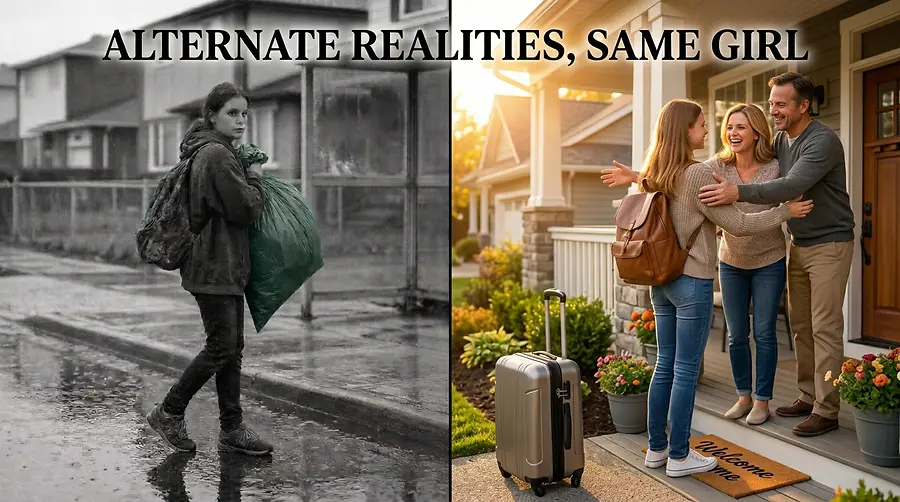
In our child welfare system, stretched to its breaking point, even the most dedicated caseworkers face an impossible task: supporting dozens of vulnerable children without the time or resources each child deserves. As overburdened systems struggle to keep pace, the stability and oversight that keep children safe begin to unravel.
To safeguard the next generation, we must confront these systemic gaps and unite as a community to ensure every child is seen, supported, and protected. When one caseworker carries the weight of dozens of fragile lives, the deep, attentive care every child needs becomes nearly impossible to sustain. The human cost is too great to ignore, and it calls on each of us—mothers, daughters, grandmothers, mentors, and neighbors—to look closer, speak louder, and ensure no child is left invisible.
If foster care is buckling under the sheer volume of children waiting for safety and stability, then we must begin listening to those on the front lines who are working to create solutions. The foster care system includes compassionate professionals, foster families, and advocates who dedicate themselves to helping children. Yet even the most committed individuals cannot overcome a system stretched beyond its limits. Children need more than good intentions. They need communities willing to work together to provide safety, stability, and permanent connections.
Behind every child's welfare case is a child with a story.
Two Halves of a Girl
The Green Bag
A childhood in foster care
A childhood packed into a plastic sack,
Heavy on a shoulder never meant to bear it.
Looking back over concrete darkened by rain,
Wondering whose doorstep comes next,
Whose rules to learn,
Whose quiet anger to dodge in the hall.
When adults are temporary,
Your heart learns to pack its bags too,
Quiet, defensive, ready to run.
A name in a file nobody reads,
Lost somewhere between casework
And the cracks.
The New Suitcase
A child finding permanence through adoption
Turn the page. Step across the seam.
Here, the sky breaks open into gold.
No plastic rustling in the dark,
Just a suitcase with wheels that roll forward,
A room that will not change its locks by winter.
Open arms wait at the end of the walkway,
Not because policy brought them together,
Not because circumstance required it,
But because love chose it from day one.
Here, her photographs stay on the mantel.
Here, she is seen through tender eyes.
Here, she belongs.
One important path toward permanency and stability is open adoption through dedicated agencies that work one-on-one with expectant mothers, children, and adoptive families. While adoption is not the right solution for every situation, it can provide a loving and lasting home when reunification is not possible.
Organizations such as Adoption Solutions of Arizona demonstrate how individualized support, transparency, and connection can help create positive outcomes for children and families. When an agency takes the time to truly know each child and ensure every adoptive home is stable, loving, and prepared, it helps create permanency before instability and trauma have the opportunity to deepen. Every permanent, loving home represents a turning point, often becoming the place where lifelong stability, healing, and happiness begin.
At the heart of true open adoption is a relationship built on dignity, trust, and mutual respect, not a simple legal arrangement. A child is never just a case file. Each child is an individual whose future matters and who deserves the opportunity to grow, thrive, and reach adulthood knowing they are loved and valued.
Unfortunately, many expectant and birth mothers find themselves feeling judged, pressured, or reduced to a number within an overwhelming bureaucracy. This experience can be isolating and discouraging, making it difficult to see a hopeful path forward.
A dedicated case manager can fundamentally transform that experience. More than a guide, this person becomes a trusted advocate committed to listening to a mother's story, understanding her grief, and supporting her hopes for the future. Through this partnership, the mother's voice remains central to every decision.
She can choose the family she believes will best care for her child, set boundaries, and help shape the future she envisions, all while maintaining a meaningful place in her child's story. In an open adoption, she is not surrendering her child to the unknown. Rather, she is thoughtfully placing her child into the care of a family she has personally chosen, ensuring that her child has the opportunity to grow up in a nurturing and supportive environment.
When a woman is approached with compassion, empathy, and respect, the decision to place a child for adoption can become an act of profound maternal love and courage rather than one defined by shame or abandonment. The journey becomes one of hope, connection, and empowerment, enriching the lives of both the birth mother and the family she chooses.
For meaningful change to take root, society must evolve alongside its practices. Historically, adoption has often been surrounded by secrecy, shame, and stigma. These attitudes have harmed birth mothers and left many adoptees searching for answers about their identities and origins. Thankfully, attitudes can change, and they are changing.
As communities grow in compassion and understanding, our systems must adapt. When open adoption is viewed not as something taboo but as a healthy, transparent partnership centered on the child's best interests, the landscape shifts. Instead of leaving children lost in overwhelmed systems, we can build proactive networks grounded in support, honesty, and belonging.
Systemic reform begins with individuals choosing empathy over judgment. It begins with recognizing that every child deserves a strong foundation from the very beginning.
Ultimately, this journey is not simply about changing policies or improving statistics. It is about choosing a more compassionate path rooted in love, empathy, and genuine human connection. When we replace impersonal bureaucracy with meaningful relationships, we create space for healing.
A birth mother can feel seen, valued, and supported rather than overlooked. An adoptive family can step forward with confidence, prepared to embrace its role in a child's life. Most importantly, a child can grow up knowing they were deeply loved and thoughtfully cared for by everyone involved in their story.
Making real change requires courage, dedication, and persistence from the people working on the front lines, as well as from the organizations supporting them. Budgets or bureaucracy alone cannot drive it. It must remain centered on children's well-being.
Real change will not come from any single agency, program, or policy. It will come when communities, child welfare professionals, foster families, birth families, adoptive families, advocates, and policymakers work together to ensure every child has a safe and permanent place to belong.
No single solution can meet every child's needs, but every child deserves adults willing to stand beside them and ensure they are never forgotten.
Together, we can build a world where every child grows up knowing they were deeply wanted, fiercely protected, and profoundly loved. Protecting children is not the responsibility of one system, one agency, or one mother. It is the responsibility of all of us.
"Children thrive when adults choose transparency over silence."
"A child is not a case file. They are a future, and futures deserve protection."
Author Bio
Marcy serves as the Case Manager and Outreach Coordinator for Adoption Solutions of Arizona (ASOA), where she walks alongside expectant mothers facing some of life's most difficult challenges, including substance use, homelessness, exploitation, and profound emotional hardship.
Her personal experience shapes her work. After losing her son in a hit-and-run accident in 2003, Marcy transformed her grief into a lifelong commitment to helping women and children find safety, healing, and hope. She later adopted her youngest son after he spent years cycling in and out of foster care, giving her an intimate understanding of the instability and trauma children can experience within an overwhelmed system.
Through her work at Adoption Solutions of Arizona, Marcy advocates for ethical, transparent open adoption and compassionate, judgment-free support for birth mothers. She believes every child deserves safety, stability, and permanency from their earliest days, and that every woman deserves dignity, understanding, and unwavering compassion.