Do I Belong?
Embracing Your Authentic Self as the Path to True Leadership and Belonging

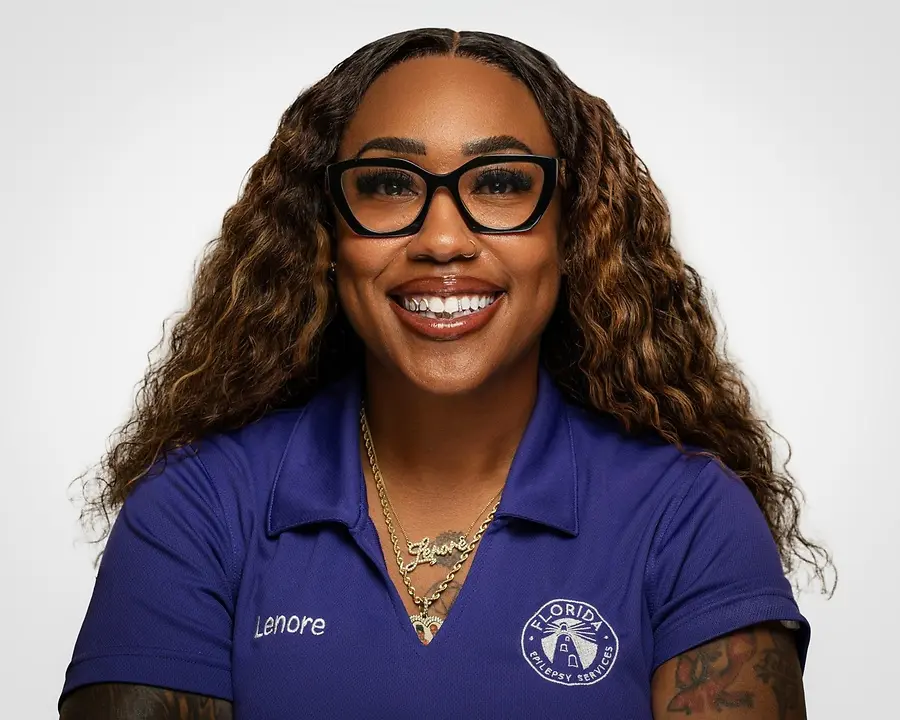
You Belong Here
There was a time when I constantly questioned whether I belonged.
Not because I lacked the work ethic. Not because I wasn't capable. But because I didn't look, sound, or come from what I thought corporate leadership was supposed to be.
I'm a Black woman from Atlanta—Zone 6, to be exact. I grew up surrounded by the culture that shaped me: Sunday mornings in a Southern Baptist church, family cookouts, gold teeth, gold chains, loud laughter, resilience, and a community that knew how to make something out of nothing. That was my normal. It still is.
When I entered professional spaces, I quickly learned there were unwritten rules. Speak a certain way. Dress a certain way. Tone yourself down. Don't let your Southern accent show. Don't let people know you didn't attend an Ivy League school.
For years, I tried to fit into a version of leadership that wasn't mine. I believed success meant leaving pieces of myself at the door. I thought I had to sound different, act differently, and hide the very experiences that had shaped me into the leader I was becoming.
Then something changed.
During a phone call, a Black CEO shared words that I have carried with me ever since:
"You belong here. Don't code-switch. Be your authentic self."
Those words shifted something inside me. They gave me permission to stop performing and start leading as the woman I had always been.
I stopped apologizing for where I came from.
I stopped trying to erase my Southern accent.
I stopped believing that my educational journey somehow made me less qualified than someone else's.
Instead, I leaned into what made me different.
Authenticity became my leadership strategy.
Authenticity Became My Leadership Strategy
Today, I serve as the Executive Director of Florida Epilepsy Services. I have the privilege of leading an organization that impacts the lives of individuals and families living with epilepsy every day. I sit at tables I once believed I'd never be invited to. I speak with legislators, healthcare executives, community leaders, and national partners. And I do it as myself—not a polished version of who I thought people wanted me to be.
I've learned that belonging isn't about receiving permission from others.
It's about giving yourself permission.
Giving Yourself Permission
Too many women—especially Black women and women of color—walk into rooms carrying invisible questions:
- Am I qualified enough?
- Do I sound professional enough?
- Will they take me seriously?
Those questions don't come from a lack of ability. They come from years of messaging that tells us we must earn our seat by becoming someone else.
The truth is, the table needs your perspective because no one else has lived your story.
- Your upbringing is not a weakness.
- Your accent is not a liability.
- Your lived experiences are not something to overcome.
- They are your greatest strengths.
The strongest leaders aren't carbon copies of one another. They lead with courage, empathy, resilience, and authenticity. They understand that diversity isn't simply about inviting different people into the room. It's about creating environments where people don't feel pressured to leave parts of themselves at the door.
Belonging Also Comes With Responsibility
Belonging also comes with responsibility.
Once you realize you belong, you have a responsibility to make sure the next woman doesn't spend years questioning whether she does.
- Mentor her.
- Encourage her.
- Open the door.
- Speak her name in rooms she hasn't entered yet.
Tell her what someone once told you:
"You belong here. Don't code-switch. Be your authentic self."
Those words have the power to change a career, restore confidence, and transform a life.
Yes, You Belong
If you're still asking yourself, Do I belong?
My answer is simple.
Yes.
- Not because of the title you hold.
- Not because of the degree hanging on your wall.
- Not because someone finally validated your worth.
- You belong because your voice matters.
- You belong because your experiences matter.
- You belong because your resilience matters.
- You belong because no one else can bring to the table what you uniquely possess.
The world doesn't need another version of someone else.
It needs the authentic, unapologetic version of you.
Because the moment you stop asking for permission to belong is the moment you begin to lead with purpose, confidence, and the kind of influence that inspires others to do the same.


