
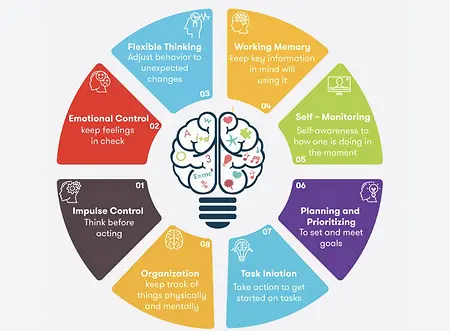
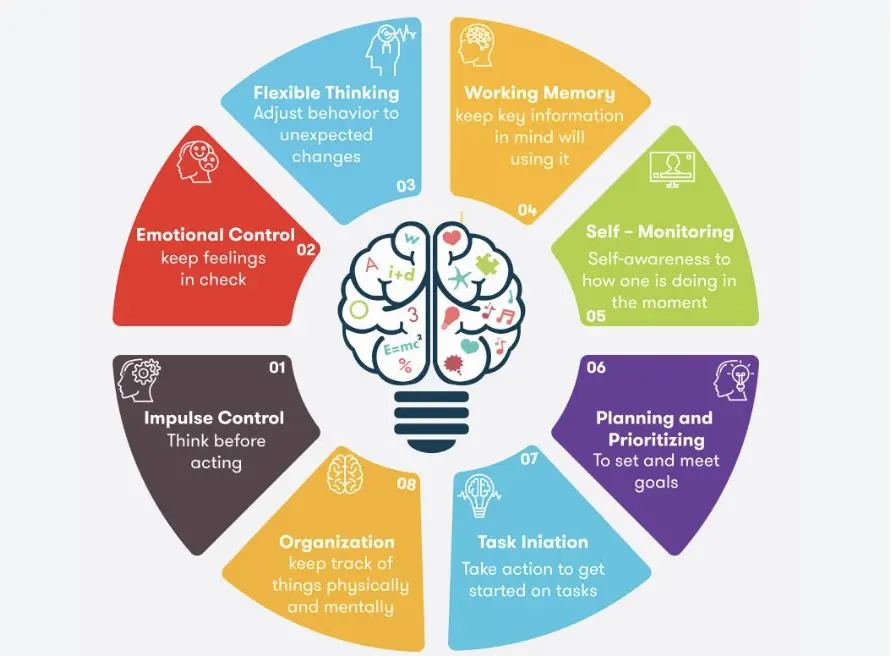
Executive Functioning- Developing and Mastering the Super 8 An Eight Part Series
Practical strategies to help children pause before acting and make better choices.

What to Teach in the Moment Before a Child Acts
Impulse Control
By Joanna Szalewski-Wozniak
A preschooler reaches for a toy that another child is using. A fourth grader calls out before a classmate finishes. A teen sends a text they might have worded differently a minute later. Impulse control is the ability to pause before acting on an urge so we can choose what to do next.
In nearly 30 years in early childhood and elementary education, I've learned to teach what happens during that pause. "Wait your turn" is easier to follow when children know what to do while they wait and how they'll know it's their turn.
In the classroom
Practice during a game of freeze and let children take turns giving the stop signal. Before an elementary class discussion, invite students to jot down a word or make a quick sketch so they can save an idea while someone else speaks. If a student wants a cue, agree on one privately. Then name what worked: "You saved your thought and gave Maya time to finish."
At the discussion table, leave enough elbow room for each child's paper. A student who finds waiting physically hard might press their feet into the floor while listening for their turn.
At home
As a mom of teen twins with ADHD, I want my children to have strategies they can use on their own. If a group chat gets heated, a teen might leave the message in the draft box, set the phone down, and reread it before deciding whether to send it. I'd ask what would make that pause realistic in the middle of an actual conversation.
For younger children sharing toys, try putting the toy on a mat between two seats so each child has a clear place to wait. Let a child who likes movement stand and stretch beside their seat while the other child finishes.
On rushed mornings
When two children reach for the same breakfast item, give them words they can use right away: "Are you using that?" Practice asking and waiting later, when nobody is rushing out the door. At school, give students a similarly concrete action before passing out materials, such as keeping their hands on their own paper until you give the signal to begin.
On weekends and breaks
An open afternoon can mean more time in a shared room. If borrowing things without asking is a recurring issue, agree on one action your child can practice: put the item back down and ask first. Give them a chance to try it during a low-stakes moment.
When a child manages that pause, acknowledge the choice they made. That's the part of the routine I want them to recognize and use again.

Joanna Szalewski Wozniak is an experienced educator and Learning Behavior Specialist with 27+ years at Skokie School District 73.5 in Illinois. She specializes in differentiated instruction, literacy development, and inclusive education while serving as a case manager and wellness coach. Joanna holds degrees from DePaul and Northeastern Illinois Universities, supports professional development, mentors educators, and…