Forgiveness Gave Me the Freedom to Stop Avoiding
How Releasing Anger and Embracing Obedience Freed Me From the Past

For years, I avoided family gatherings because of one person who might be in the room.
He was a family member who had hurt me. Other relatives did not know the full extent of what he had done, but his presence affected my connection with them. Avoiding him also meant missing time with people I wanted to see.
The hurt reached beyond what had happened between us. It continued to influence where I went, who I spent time with, and how freely I lived.
I carried anger. I carried resentment. And I misunderstood what forgiveness would require of me.
What I Thought Forgiveness Meant
I once believed forgiving someone meant forgetting what happened. I thought it meant telling them that what they did was acceptable, moving on, and somehow being healed immediately.
How could I forgive something that still hurt? How could I say it was okay when it was not?
Through my healing journey, I began learning the truth about forgiveness.
I could acknowledge the harm and still forgive. I could hold someone accountable and still forgive. I could establish boundaries and still forgive.
Forgiveness did not require me to erase my memory or pretend I had finished healing. It allowed me to begin releasing the anger and resentment that kept me tied to the person who had hurt me.
That understanding became real through an act of obedience to God.
The Moment Something Broke Within Me
God told me to hug that family member.
I hugged him because I was being obedient to what God told me to do. In that moment, something broke within me. I was able to let go of anger I had been holding on to.
What happened to me remained wrong. But something changed in how I carried it.
That moment opened the way for me to reconnect with family members I had avoided for so long because he was in their presence. I could begin entering spaces I had stayed away from. I could spend time with people whose relationships mattered to me.
The freedom reached beyond that hug. It changed how I moved through my life.
That was my experience of obedience. A hug is not a requirement for forgiveness, and my story is not an instruction for someone else to resume contact with a person who harmed them. Boundaries still belong in the conversation.
Walking Through Forgiveness With TAP
The process connects directly to what I teach through my TAP Method: Truth, Awareness, and Pivot.
Truth meant learning what forgiveness really required.
I had to confront the belief that forgiveness excused the person who hurt me. I also had to be honest about the anger I still carried.
I could name what happened without minimizing it. I could recognize the need for boundaries and accountability while allowing myself to release resentment.
Awareness meant recognizing how the hurt was affecting my life.
I began seeing the connection between what I carried internally and the people and places I avoided.
The family member who hurt me was not the only relationship affected. My distance extended to relatives who did not know the full story. His presence had become a factor in decisions about my own presence.
Recognizing that helped me understand how much of my life was still being shaped by the harm.
Pivot meant moving in a different direction.
For me, that included obeying God, releasing anger, and reconnecting with family.
Forgiveness became something I practiced in how I lived. I could enter a room without automatically deciding that I needed to leave. I could participate in relationships I valued. I could carry my voice and my boundaries with me.
I No Longer Have to Dim My Light
My faith has taught me to think about this freedom like turning on a light in a room.
If someone wants to remain in darkness, I do not have to keep the light off to make them comfortable. I can let my light shine. Their response belongs to them.
I no longer have to make myself smaller or avoid being present because someone else may be uncomfortable with who I am becoming.
That does not mean every relationship will be restored. It means I can live with the boundaries, faith, and freedom I have gained without waiting for everyone else to change.
Making Room for Your Own Freedom
Perhaps you have struggled with forgiveness because you believe it asks you to deny what happened. Perhaps you have said the words "I forgive you" while still carrying pain you have not felt able to acknowledge.
You can tell the truth about that.
You do not have to pretend the harm was acceptable. You do not have to rush your healing or remove a boundary to prove you have forgiven.
You can begin by asking yourself: What do I believe forgiveness requires of me, and how is that belief affecting the way I live?
For me, learning the truth about forgiveness opened a door. Becoming aware of what I was carrying helped me recognize where I needed to move differently. Obedience to God helped me take that step.
Today, I can reconnect, show up, and let my light shine.
Forgiveness made room for me to live more freely—and I am no longer willing to dim that freedom.

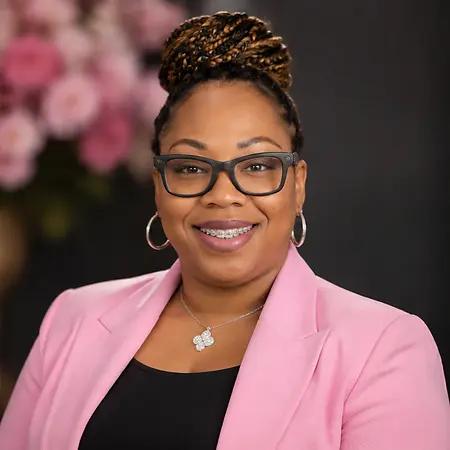
She is an empowerment coach, international speaker, and community support professional with experience in resilience coaching, trauma-informed personal growth, direct support, job coaching, and healthcare access. Through Jayna K Freedom Works, she speaks and coaches on healing from trauma, breaking limiting beliefs, rebuilding identity, and turning pain into purpose. Her background includes job coaching with…