Fostering Creativity within an A.I. Generation
Preparing for an Unpredictable Future Through Creativity, Critical Thinking, and Resilience

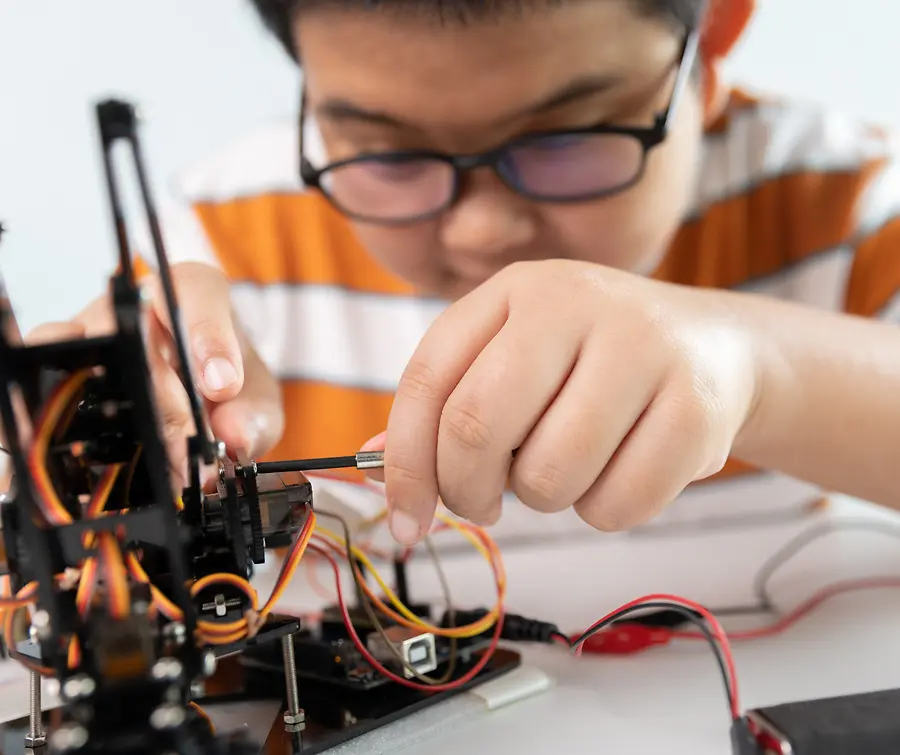
Children Entering School Today Will Graduate in 2038. What Will They Need to Succeed?
Children entering school this year will graduate from high school in 2038. What will they need to know to succeed in life?
For the most part, we can hardly imagine. This AI generation is leading us into a future that is difficult to fully grasp.
Yet, there are a few things we do know.
We know they will need to think critically and solve problems. They will need strong communication skills, including listening, reading, speaking, and yes, writing.
We also know that creativity, ingenuity, and inventiveness will serve them well. We must teach and nurture these skills.
We also know that creativity is most effectively fostered by providing rich and supportive learning environments.
There are three important things we know about fostering creativity:
First, We Learn Through the Many Ways We Experience the World
We think visually, we think through sound, and we think through movement. We move to learn. If it is not in the hand, it cannot be found in the head or the heart.
- We need learning environments that value open-ended creative materials over replicated, predetermined crafts.
- We need learning environments that encourage play and exploration outdoors in the natural world.
- We need learning environments that foster conversation, collaboration, and problem-solving through play.
Second, Creativity Is Dynamic
If you look at the interactions within the human brain, intelligence is wonderfully interconnected, with multiple regions working together. Creativity often emerges through the interaction of different disciplines and ways of thinking.
- We need learning environments that follow children's interests through research and investigation.
- We need learning environments that connect learning across the curriculum by integrating reading, writing, drawing, experimentation, measurement, and calculation.
- We need learning environments where topics of interest are explored through multiple disciplines and perspectives.
Third, Creativity Requires Revision and Persistence
Creativity often involves revisiting ideas, learning from mistakes, and trying again. It requires the tenacity to improve, invent, and overcome setbacks.
- We need learning environments where adults model curiosity and inquiry.
- We need learning environments where adults openly express their desire to learn more and demonstrate lifelong learning alongside children.
- We need learning environments where failure is viewed not as an endpoint, but as an opportunity to learn and grow.
- We need learning environments that slow down and resist the urgency to move on too quickly. Children need time to investigate, explore, build, rebuild, and deepen their understanding.
Whatever the future holds, one thing is certain: to succeed in life, we must nurture these skills in ourselves and strive to cultivate them in others.
The future may be unpredictable, but curiosity, creativity, critical thinking, and resilience will always matter.


