From Food Access to Health Equity: Building Communities Where Everyone Can Thrive
How healthcare leaders can create lasting change by partnering with communities and prioritizing social drivers of health over clinical interventions alone.

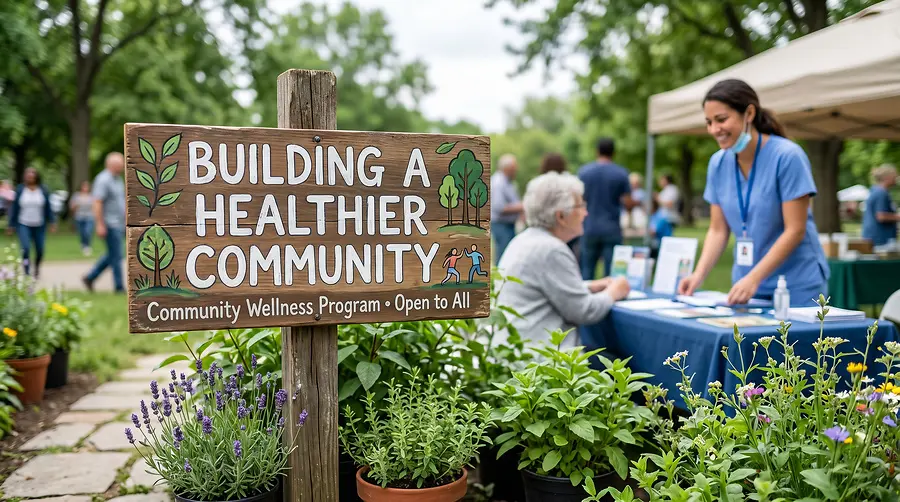
Building Healthier Communities Through Partnership, Leadership, and Service
When people think about healthcare, they often think about hospitals, physicians, medications, and medical treatments. While these are critical components of care, I have learned throughout my career that health begins long before a patient walks through the doors of a healthcare facility.
Health begins in our neighborhoods.
It begins with access to nutritious food, reliable transportation, safe housing, educational opportunities, and trusted community relationships. These factors, often referred to as social drivers of health, shape outcomes more than many clinical interventions alone.
Working With Communities
For more than two decades, I have dedicated my career to advancing health equity, strengthening community partnerships, and creating pathways for underserved populations to access the resources they need to thrive. This work has taught me one powerful lesson: lasting change happens when healthcare organizations stop working for communities and start working with communities.
One of the most rewarding experiences of my career has been helping launch community-centered initiatives that address food insecurity while connecting residents to health resources. Through strategic partnerships with local organizations, healthcare systems, food providers, and community leaders, we have been able to bring healthy food, education, and support services directly to individuals who need them most.
What makes these initiatives successful is not simply the food distributed or the number of people served. Success is measured by trust.
Trust is built when community members see familiar faces, when organizations listen before they act, and when solutions are designed alongside the people they are intended to serve.
Leadership Is About Influence, Service, and Creating Opportunities
As women leaders, we have a unique opportunity to lead with both strategy and compassion. Too often, leadership is defined solely by titles, authority, or organizational charts. I believe leadership is about influence, service, and creating opportunities for others to succeed.
Some of the most influential leaders I have encountered are not executives or elected officials. They are community advocates, caregivers, faith leaders, volunteers, and residents who choose every day to make a difference in the lives of others.
Their leadership reminds us that impact is not determined by position; it is determined by purpose.
Resilience and Authenticity
Throughout my journey, I have faced challenges, setbacks, and moments of uncertainty. Like many women, I have had to learn how to advocate for myself while continuing to advocate for others. I have learned that resilience is not about never struggling; it is about continuing to move forward despite obstacles.
I have also learned the importance of embracing authenticity. The most effective leaders are not those who try to fit a mold. They are those who bring their full selves to the table, leveraging their experiences, perspectives, and values to create meaningful change.
Collaboration Will Be Our Greatest Tool
As we look toward the future of healthcare, I believe collaboration will be our greatest tool. No single organization can solve complex community challenges alone. Progress requires partnerships across sectors, shared accountability, and a commitment to addressing the root causes of inequities.
My vision is simple: communities where every individual has access to the resources, opportunities, and support needed to live a healthy and fulfilling life.
This vision is what drives me every day.
Whether through healthcare, community engagement, speaking, consulting, or leadership development, I remain committed to helping organizations build stronger partnerships, create sustainable impact, and empower communities to thrive.
Because when we invest in people, we transform communities.
And when we transform communities, we create a healthier future for generations to come.


