From Surviving to Shaping Policy: How Justice Impacted Professionals Are Changing Systems from the Inside
How Justice-Impacted Professionals Are Transforming Criminal Legal Reform Through Their Lived Experience

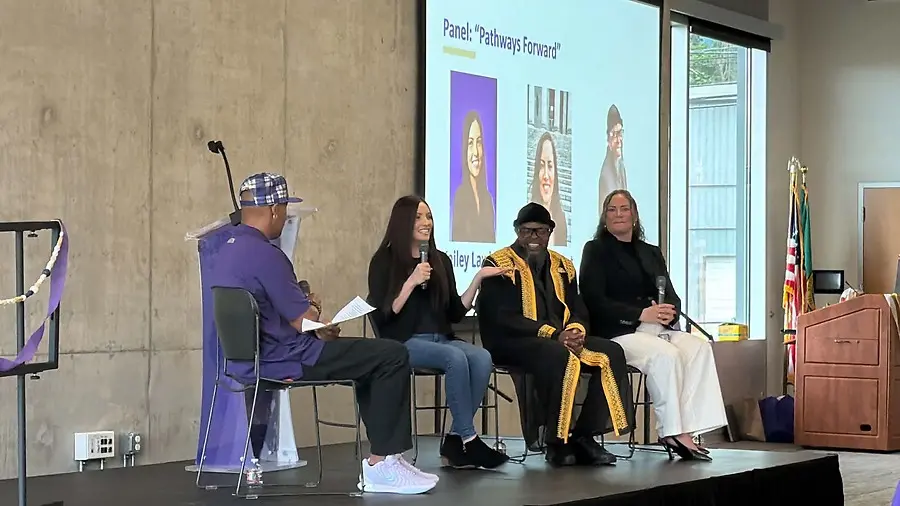
Why Lived Experience Belongs at the Policy Table
For decades, the voices shaping criminal legal policy have largely come from people who studied the system rather than those who survived it. Researchers, legislators, attorneys, judges, and administrators have long determined what justice should look like, often without meaningful input from the people most affected by those decisions.
That is beginning to change.
Across the country, justice-impacted professionals are becoming attorneys, social workers, legislators, professors, researchers, and nonprofit leaders. They bring something that cannot be taught in a classroom: lived experience. Their perspectives are reshaping conversations about public safety, accountability, rehabilitation, and opportunity because they understand not only how systems are designed but also how they are experienced.
Lived Experience as a Foundation
For much of my life, I understood the criminal legal system from the defendant's perspective. I knew what it felt like to navigate addiction, incarceration, homelessness, and the barriers that remain long after a sentence has been served. I also learned how easily systems can define someone by their worst decisions instead of recognizing their capacity for change.
Education changed that trajectory.
College gave me more than a degree. It gave me the language to understand the systems that had shaped my life and the confidence to begin changing them.
Today, I work as a Community-Based Corrections Education Navigator, helping individuals transition from incarceration to higher education. Every day, I meet students with extraordinary potential who face obstacles many people never see.
Housing instability, employment discrimination, financial aid challenges, transportation barriers, legal obligations, and stigma often stand between them and a college classroom.
These are not individual failures.
They are policy issues.
Recognizing Barriers Others Overlook
When justice-impacted professionals enter leadership roles, they recognize barriers that others may overlook because they have experienced them firsthand. They understand that successful reentry is not simply about personal responsibility. It is also about whether systems create meaningful opportunities for people to rebuild their lives.
Lived experience should never replace education or professional expertise. It should complement both. The strongest policies are developed when research, legal analysis, and firsthand experience work together. Data can tell us what is happening, but lived experience often explains why it is happening and which practical solutions are most likely to succeed.
That perspective also changes how professionals serve others. Rather than asking, "What's wrong with this person?" we begin asking, "What barriers are preventing this person from succeeding?"
That shift transforms interactions from transactional to collaborative and helps restore dignity to people who have often spent years being reduced to a case number or a criminal record.
People Are More Than Their Worst Decisions
The presence of justice-impacted professionals also challenges stereotypes. Every courtroom, classroom, boardroom, and legislative hearing that includes someone with lived experience sends a powerful message:
People are more than the worst thing they have ever done.
Redemption is not simply a personal journey.
It is a public investment.
As I begin my legal education, I am reminded that policy is ultimately created by people. The laws we write, the programs we fund, and the opportunities we expand all reflect whose voices are included in the conversation.
When justice-impacted professionals have a seat at the table, policy becomes more practical, more equitable, and more effective because it is informed by those who understand the consequences of those decisions firsthand.
The future of criminal justice reform will not be built solely by people who have studied the system from the outside. It will also be shaped by those who have survived it, rebuilt their lives, and chosen to return—not because they had to, but because they believe others deserve the same opportunity to succeed.
Real reform happens when lived experience becomes leadership, and survival becomes a catalyst for lasting change.


