From the Classroom to the Frontlines of Human Rights: An Educator’s Journey of Purpose, Leadership, and Lasting Impact
How education and advocacy transform individual classrooms into catalysts for global human rights change.

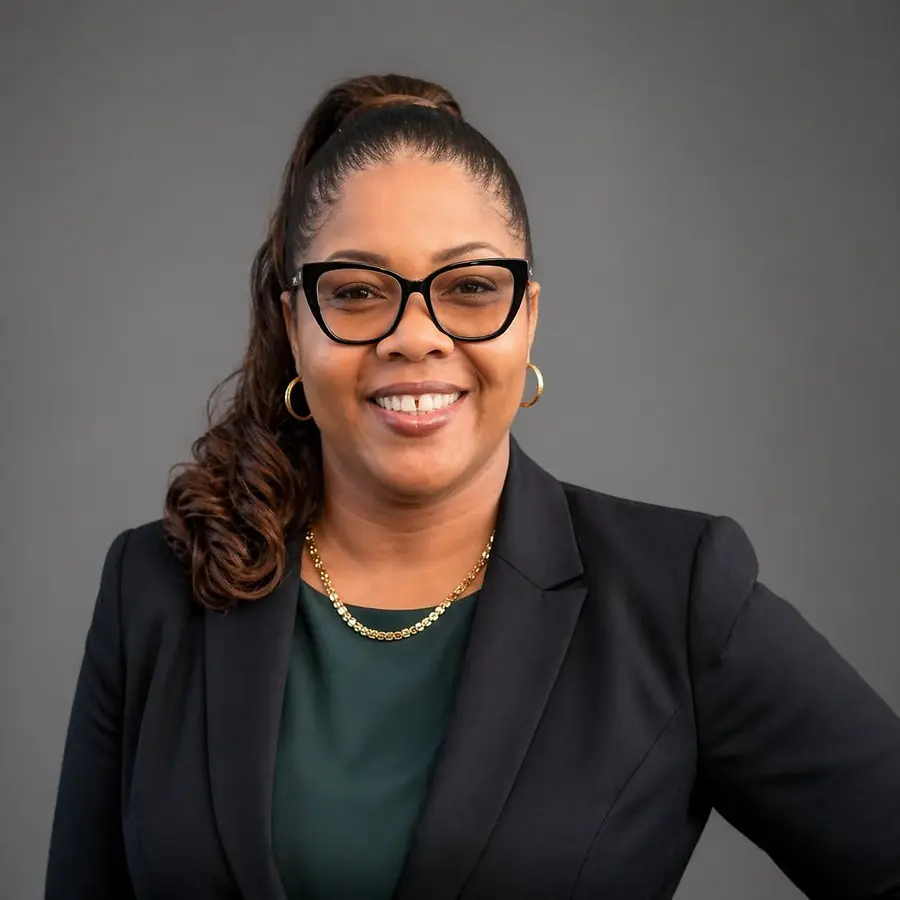
Influential Women Article
From the Classroom to the Frontlines of Human Rights: An Educator's Journey of Purpose, Leadership, and Lasting Impact
Every morning, millions of teachers step up to a whiteboard, open a lesson plan, and face rows of expectant eyes. To the untrained observer, the job description is straightforward: deliver the curriculum, grade the papers, and manage the classroom. But look closer, and you will see the quiet, foundational architecture of human rights being built in real time.
My journey began in exactly one of those classrooms—preschool, to be exact—framed by the scent of poster paint, the scratches of Crayola crayons across just about every surface, a miniature reflection of our world, and the chaotic, beautiful energy of students finding their voices.
In those early years, success felt localized: helping students hold a pencil or write within the lines, watching a struggling reader decode a text, or guiding a quiet teenager to speak up during a group project. Over time, however, the walls of that classroom began to feel less like a boundary and more like a launching pad.
I learned that education is not just a tool; it is a gateway. And when paired with advocacy, protection, and opportunity, it becomes a powerful force for breaking generational cycles.
From Educator to Advocate
The evolution from classroom teacher to global advocate didn't happen overnight, nor did it require a fundamental shift in identity. It required an expansion of scope.
The skills that make an exceptional educator—deep empathy, active listening, the ability to translate complex systems, and an unyielding belief in human dignity—are the very tools needed on the frontlines of human rights advocacy.
This transition felt entirely natural because the core mission never changed: defending the vulnerable and equipping the next generation with the agency to demand a more just world.
This journey aligns directly with the United Nations Sustainable Development Goals (SDGs), specifically SDG 4: Quality Education and SDG 5: Gender Equality. By advocating for inclusive, equitable, and lifelong learning, we help dismantle the systemic inequalities that fuel human rights abuses worldwide.
A New Chapter
Throughout every stage of my career, I have been sustained by a powerful support system of colleagues who shared the daily burdens, mentors who offered wisdom, and a community that anchored me when systemic challenges felt overwhelming.
It was during those years that I noticed another significant barrier: the books available to my students rarely reflected their lived experiences.
That realization sparked a new chapter.
I began writing children's books to ensure that every child could see themselves reflected in stories that educate, empower, and inspire. True literacy requires representation.
That mission naturally expanded into advocating for libraries—not merely as rooms filled with shelves, but as sanctuaries that foster literacy, empathy, confidence, and hope.
Today, I stand in global spaces, but my mission remains the same: to ensure that no child is unseen, no woman is unheard, and no human being is denied the right to dignity, opportunity, and justice.
And that work continues.
To My Fellow Educators
To my fellow educators reading this, the administrative undertow can easily swallow you. Between standardized testing, shifting policy directives, and endless paperwork, it can feel as though your impact is confined to a classroom filled with desks.
But you must recognize that your influence extends far beyond the walls of your school.
You are not merely conveyors of information; you are architects of social conscience.
Every time you cultivate critical thinking, you build a defense against disinformation and authoritarianism. Every time you create a safe space for marginalized children, you model the inclusive society we are all working to build.
The frontlines of human rights are not found exclusively in international courtrooms or global council chambers. They are also found in row three, seat two.
They are anchored in the quiet, daily choices you make to defend a student's dignity, correct a child's behavior, challenge an unfair policy, or teach truth in the face of discomfort.
Do not minimize your sphere of influence.
Lean into your leadership, raise your voice for systemic change, and remember that every major movement for justice began with a spark of awareness—the very kind of spark you ignite every single day.


