
From the Field to the Boardroom
A 35-year veteran of global agricultural sourcing reveals how women can lead and transform the commodity markets that feed the world.

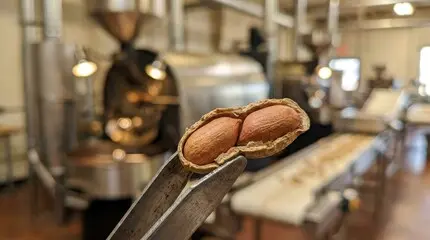
Every chocolate bar, snack, and jar on a grocery shelf begins with a decision made far from the store: what to buy, from whom, at what price, and how to protect it from drought, disease, and market swings. For 35 years, that was my work.
I spent my career in global strategic sourcing at Mars, most recently leading global peanut sourcing for Mars Wrigley. My job put me in peanut fields, shelling plants, trading floors, and negotiating rooms across continents. In many of those rooms, I was the only woman.
Agriculture and supply chain have long been male-dominated. That is changing, but not fast enough. Here is what three and a half decades taught me about leading in these industries and why women belong at the center of them.
1. Expertise Is Your Passport
Early on, I learned that credibility in agriculture is earned in the details. Growers, shellers, and traders respect people who understand the crop: planting cycles, grading standards, aflatoxin risk, yield forecasts, and the economics of the farm itself.
When you know the commodity better than anyone at the table, the conversation shifts from who you are to what you know. Deep technical knowledge is not a substitute for leadership, but in a field that may question whether you belong, it is the foundation everything else rests on.
My advice to women entering the field: go to the farms, walk the plants, and ask the questions others assume they already know the answers to. Mastery is the most portable asset you will ever own.
2. Relationships Are the Real Supply Chain
Contracts and spreadsheets describe a supply chain. Relationships make it work. When a harvest falls short or a shipment is delayed, the partners who pick up the phone are the ones you have invested in over the years.
I built my sourcing strategy on long-term partnerships, not transactional wins. That meant understanding what my suppliers needed to stay viable, being honest when the news was hard, and keeping my word when markets tempted me to do otherwise.
Women often bring a strength here that the industry undervalues: the ability to listen, build trust, and hold complex relationships together under pressure. In commodity markets, that is not a soft skill. It is risk management.
3. Take the Seat at the Table
Industry associations, boards, and committees shape the standards, research, and policies an entire sector lives by. For too long, women were absent from those rooms.
When I was asked to serve as Chairwoman of the American Peanut Council, I said yes, even though the role came on top of a demanding global job. Leading the organization that represents the full U.S. peanut industry, from growers to manufacturers, gave me a view of the system that no single company could offer. Being inducted into the Peanut Hall of Fame was an honor, but the greater reward was helping steer an industry I love.
If you are invited to lead, accept. If you are not invited, volunteer. Visibility is not vanity; it is how women change the composition of the rooms where decisions are made.
4. Lift as You Climb
No one builds a career alone. I had mentors and sponsors who opened doors, offered candid feedback, and vouched for me when I was not in the room. That support is something I have tried to pay forward ever since.
Mentoring is not only advice over coffee. It is recommending a younger colleague for a stretch assignment, bringing her into a supplier visit, or making sure her idea is credited in the meeting where it was raised. Small acts of sponsorship compound over a career.
The agriculture and supply chain workforce is changing. I see more women choosing careers in agricultural science, commodity markets, and operations every year. Our job, as those who came first, is to make sure they find a clearer path than we did.
The Field Needs You
At the end of 2025, I retired from Mars. I prefer to call it rewirement. Today, I lead AMD Strategic Solutions, advising companies on agricultural sourcing, commodity risk, and procurement strategy. The challenges ahead, from climate volatility to food security to supply chain resilience, are too important to tackle with only half the available talent.
To the women already in this industry: share what you know, claim your seat, and bring someone with you. To the women considering it: the field is wide open, and it needs your expertise, judgment, and voice.
The food on every table starts with someone willing to do the work. Let it be you.
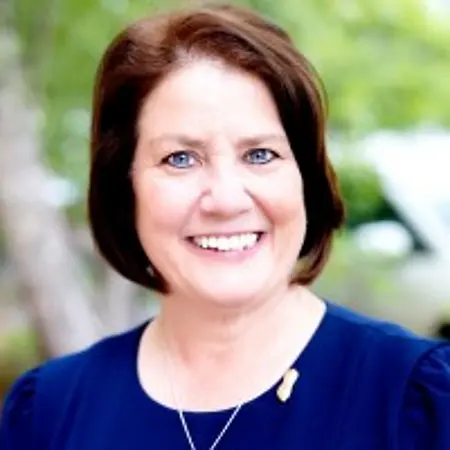
Anne-Marie DeLorenzo is a global supply chain executive with 35 years at Mars, Inc., leading peanut procurement and agricultural commodities expertise. She founded AMD Strategic Solutions to consult on commodity market volatility and supply chain resilience. DeLorenzo served on the American Peanut Council Board and became Chairwoman in 2025, earning induction into the Peanut Hall of Fame and multiple industry awards…





