Hard-Earned Wisdom
How Photography Helps Incarcerated Individuals Reclaim Their Full Humanity Beyond Their Mistakes

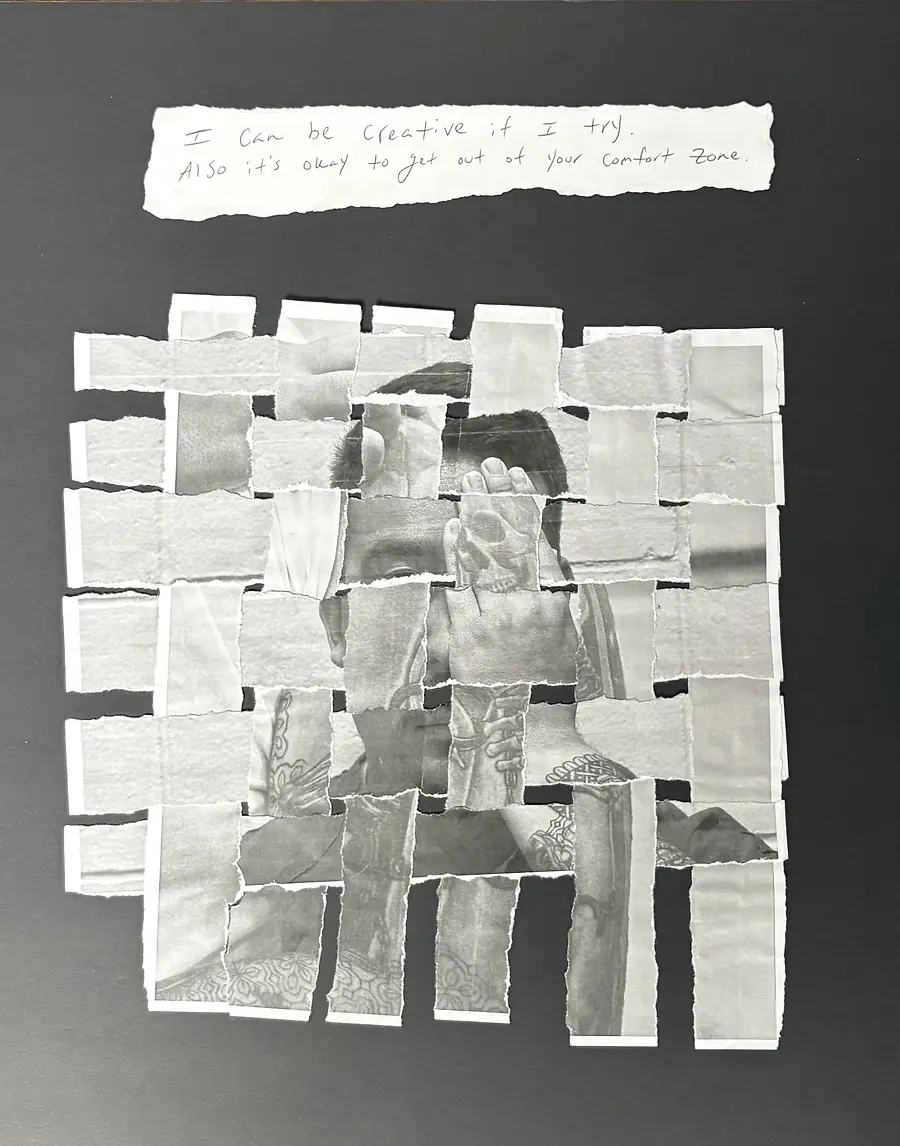
There is something R said during one of our workshops that I find myself returning to:
"I try to make that little dash between the dates on my tombstone mean something. When you die, it is just your birth date and your death date. That dash is what I try to make meaningful. I used to be the guy putting people in a cell when I was a guard at Rikers Island, and now I am the guy in the cell."
I think about that dash in the context of my photography workshops with incarcerated individuals. For many of these men, that dash—the space between their birth and death dates—has been overshadowed by one chapter of their lives: the mistake they made, the harm they caused, the sentence imposed, and the incarceration that followed. Too often, that becomes the story remembered about them. Their partial story becomes their whole story.
But what I witness in these workshops is the emergence of a fuller story.
A Space to Explore, Reflect, and See—and Be Seen
At the Yaphank Correctional Facility, photography creates a space where the men are invited to step beyond the identities they have had to carry. Many speak about the façade they have learned to maintain—the need to appear tough in order to survive. After years of needing to stay guarded, they often enter this unfamiliar space cautiously, almost gingerly, discovering that vulnerability just might be a source of strength.
The workshop offers a place to explore, reflect, and see—and be seen—in new ways.
R described this transformation:
"With this program, you get a sense that you are free. You get a sense of your own humanity, a sense that you are not an animal locked up in a cage, because you get to explore."
His words capture something essential about this work. The camera becomes more than a tool for creating images; it becomes an invitation to reconnect with curiosity, creativity, dignity, and a sense of self that may have been shelved. In the act of photographing one another, the men begin to see themselves—and each other—differently.
As another man reflected:
"You take two hours of your life and try something new. Guys that were like bumps on a log—and it really brought out something. They metamorphosed."
That transformation is what continues to move me. It is not simply about learning photography. It is about discovering parts of oneself that may have been buried beneath years of survival and judgment.
Hard-Earned Wisdom
What I encounter again and again in these workshops is what I can only describe as hard-earned wisdom. It is not the kind of wisdom that comes from academic study or intellectual circles. It comes from lived experience—through consequences, loss, regret, accountability, reflection, and the courage to grow.
I have been deeply moved by the humanity I have witnessed in these men. Perhaps the word that stands out most is humility—a humility born from an honest understanding of life's complexity and one's own imperfections.
I see resilience.
I see men reclaiming their dignity in a world that often defines them solely by their past.
I see people choosing, one day at a time, to write a different story.
Photography cannot erase what has happened. It cannot change the past. But it can create a moment in which someone is seen in their full humanity—not through the lens of the worst thing they have done, but through the fullness of who they are.
Perhaps that, too, is part of filling in R's dash.


