Honesty is not Hostility
Leadership is about investing in people and building a culture of honest, constructive feedback that drives both employee and business success.

"I will hire and fire as many people as I need to until I find the right people."
I am famously known for this statement in my current position. I think it largely drew fear from employees and even customers. But, in my opinion, this should be the motto for all businesses with strong leadership. Notice I said leadership, not management.
Being the wrong fit for a position does not make you a bad person or even a bad worker. It means you do not fit the criteria or parameters set for a specific job. People take honesty personally, as a raw assault on who they are and what they do. But, in my opinion, honesty is the truest form of showing care and concern for a person.
I could hire you, and you could be miserable, unable to meet the goals I set in front of you, lack the passion needed in the food industry, and struggle until you eventually quit or I fire you.
What Purpose Does That Serve?
What benefit does that serve for the employee or the employer? Hours and resources are wasted on both sides. And it is important as a leader that both sides are part of why you make decisions.
As a leader, my number one goal is the success of the people, which differs from a manager's number one goal of a successful business. It is often overlooked that the business will be successful and thrive when you have the right people running it.
Loyalty to the brand, loyalty to their leaders, believing in their value, and knowing that they are seen are what drive culture. If you get the culture right, everything else will fall into place.
It Is Important That We Define Honesty in a Constructive Way
Honesty is defined as "being truthful, fair, and free from deceit, cheating, or stealing." (Google, 2026). Being honest with your team does not mean tearing them down, being insulting, being disrespectful, being unfair to them, or using honesty as a verbal weapon.
Honest feedback should be constructive, attainable, and tied to measurable goals. Employees should know how they are not meeting goals or expectations, how to correct that, and how to measure their progress.
"You are doing a terrible job."
"You are missing deadlines."
"This steak is not cooked to the right temperature."
All of these statements could be honest feedback about a situation. But how do we break those statements down to provide constructive, attainable, and measurable goals? Have any of those statements actually gotten to the core of the issue?
Instead, talk to your employees. Are they late to work every day because something has changed in their personal lives? Could changing their schedule or adjusting their start time help them? Are they missing deadlines because they lack information or because expectations have not been clearly defined?
Cooking a steak to the correct temperature is a skill. Have they been taught or shown properly? Do they understand the cooking times or know how a medium steak should feel?
Find the answers to these questions, and then find ways to establish attainable and measurable goals for their success.
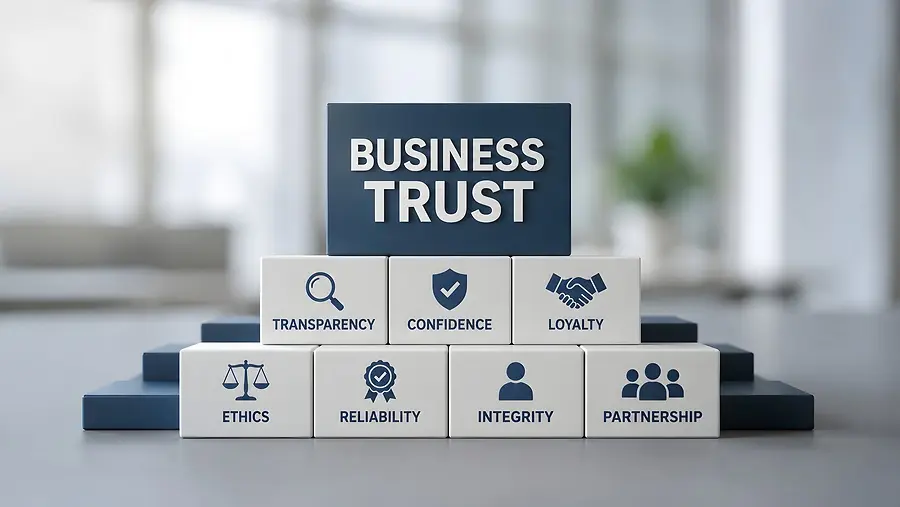
Building a culture around trust and honesty is the foundation for everything else.
Our employees are at the core of why we succeed. Teams that are led by strong leaders will be the most successful. That is not because they are better, but because leaders invest in their people. Those people then help build the culture, and that culture ultimately drives the success of the business.


