HOPE Has a New Home
Discovering Hope and Heritage at the Obama Presidential Center

HOPE Has a New Home
Dr. June DePonte Sernak
Contributing Cultural Anthropologist
History repeats itself. The diverse ways humans live and communicate come from a vast array of societies, cultures, and geographies. Both of my grandmothers were born in 1911, before the 1918 pandemic, women's right to vote in 1920, the food lines of the Great Depression in 1929, and the protests of the Civil Rights Movement in the 1960s. In recent years, we have experienced isolation during COVID, the fight for equality through the ratification of the Equal Rights Amendment, increased food insecurity, and a rise in protests for social justice. With each tumultuous event, mental health conditions have become increasingly common. According to NAMI, 60 million (23.4%) adults and 1 in 7 youth experience mental illness in the U.S. Hope is the active mindset behind mental health recovery. Hope is an internal belief that triggers the release of endorphins, lowers stress levels, and increases motivation to persist through setbacks and create a pathway to resilience.
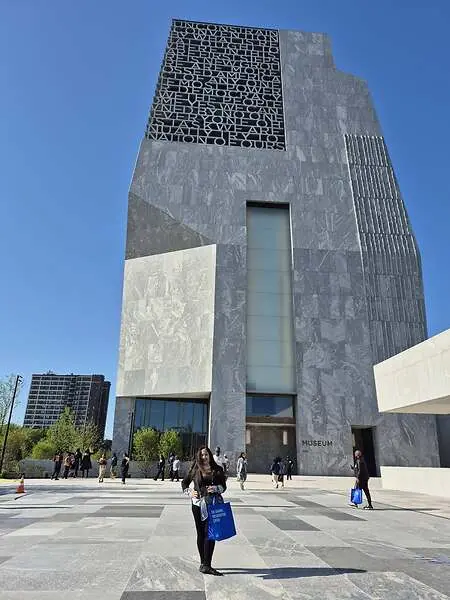
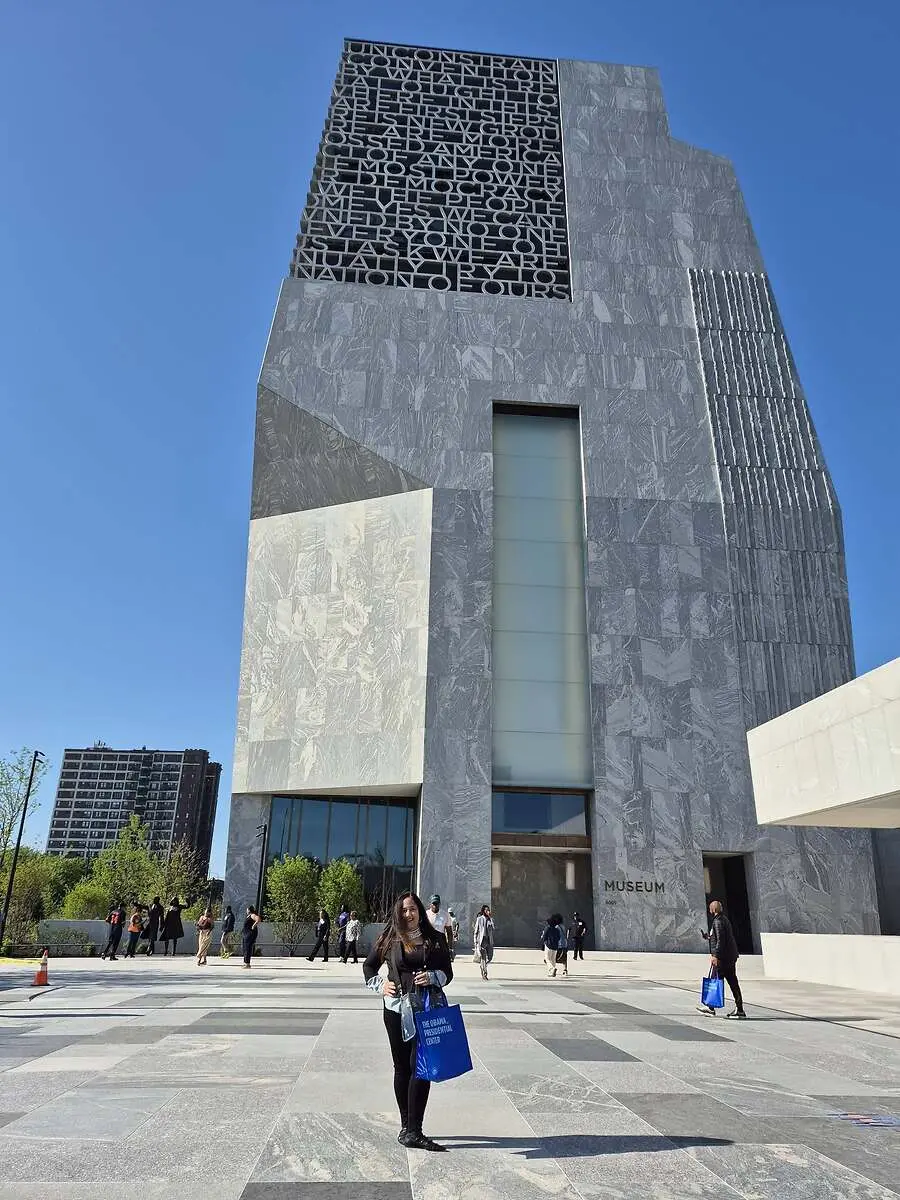
In June 2026, a beacon of HOPE was unveiled in Jackson Park on Chicago's South Side. The Obama Presidential Center is a 19.3-acre museum, library, and civic campus that includes a 225-foot museum tower, a 300-seat auditorium, a 45,000-square-foot athletic facility, and the Obama Presidential Library. The museum features eight floors of hundreds of artifacts in an immersive experience representing significant events in American history. The OPC was created through an inclusive lens, respectfully narrating the trials and triumphs of the diverse cultures and societies that make our nation great. Each exhibit exudes the resilience of historic icons and the HOPE of a nation. On May 27, 2026, we were honored to be invited to tour the OPC before its public opening on Juneteenth as representatives of the Alice Paul Center for Gender Justice.
As one of fewer than 4% of National Historic Sites dedicated to women, the Alice Paul Center preserves the childhood home of suffragist Alice Paul. Her childhood home, known as Paulsdale, is in Mount Laurel, NJ, and showcases the legacy of Alice's pursuit of women's right to vote in 1920 and the creation of the Equal Rights Amendment. As the first Native American board chair of the Alice Paul Center, I was honored to accompany the executive director, Rachael Glashan Rupisan, to Chicago to preview artifacts from the Alice Paul Center on display at the Obama Presidential Center, including Alice's 1920 addition to The Suffragist magazine. The tour began with an introduction to the history of the architecture, which was a decade in the planning. As we entered the museum, a multistory, 45-foot multimedia textile piece titled "This Land, Shared Sky" showcased Indigenous and Black material traditions using beaded nets and silver, sculptural, light-reflecting tin jingles to honor the Ojibwa legacy of the Jingle Dress. The piece was created by Native American artist Marie Watt (Seneca) in collaboration with Chicago-based artist Nick Cave. Details of the Obama Presidential Center Art Collection can be viewed at https://www.obama.org/visit/campus/art-collection/.
The Jingle Dress is such a meaningful part of my Native American heritage. My ancestors came from Virginia and Delaware, settling in New Jersey in the early 1800s. I was given the name "Charging Spirit" by my ancestors, reflecting my character in the Native community. New Jersey is home to three state-recognized tribes, including the Nanticoke Lenni-Lenape, Powhatan Renape, and Ramapough, each of which hosts ceremonies and powwows featuring the Jingle Dress Dance.
The Jingle Dress Dance is rooted in our culture. According to tradition, a medicine man had a vision of a spirit wearing a beautiful dress with metal cones after hearing the rain jingling melodically on the roof. The spirit instructed him to make this dress and place it on his severely ill granddaughter. The young girl was carried and danced along the drum circle, gradually gaining the strength to walk and dance on her own, ultimately recovering from her illness. The dance is healing for the mind, body, and spirit.
Historically, the tradition evolved alongside global health crises. It notably emerged during the devastating 1918 influenza pandemic and has continued to serve as a beacon of comfort, HOPE, and resilience during modern health challenges such as the COVID-19 pandemic. The Jingle Dress has become a notable symbol of resilience, appearing in advocacy for Missing and Murdered Indigenous Women (MMIW), where dancers wear red jingle dresses to honor survivors and raise awareness globally. Honoring the layers of our culture is humbling, especially knowing that millions of guests will see our beautiful heritage and learn our true history.
We continued our tour through the first-floor exhibits, including those highlighting the suffragist movement, the Civil Rights Movement, and the Obamas' childhood memories. The immersive video wall is mesmerizing, as each image shares our history and the endurance of those who were the "firsts" to pave the way for us all. We marveled at the artifacts from Alice Paul, including the 1920 ratification star from her adult home in Washington, D.C., Belmont-Paul; the official program of the 1913 Suffrage Procession, in which Black women marched representing several sororities; and Mary Church Terrell's pen set.
The back panel is designed to highlight the women of color in the suffrage movement who came before Alice Paul and worked to ensure women's rights and equality. Native American suffragist Marie Louise Bottineau Baldwin, Asian activist Mabel Ping-Hua Lee, Latina journalist Jovita Idar, African American Nannie Helen Burroughs, and Alice Paul are all featured for their dedication and resilience in eliminating racial barriers and discrimination in voting rights. These are women who are not commonly known or taught about in textbooks, yet their stories are the legends on which HOPE is based. This emotional journey was a once-in-a-lifetime experience and validates the work of organizations such as the Alice Paul Center for Gender Justice in continuing education through historical advocacy.
Each floor of the museum offers inspiration, from President Obama's famous speeches to Michelle Obama's insights into leaving her footprint on everything she created. The humility demonstrated by his administration, in its interactions with global leaders and local citizens alike, is the calling card of great leadership. The replica of the Oval Office puts visitors in the middle of this historic setting, where photographs are encouraged. The display of Michelle Obama's fashion was reminiscent of royalty, with each memorable event etched in our memories.
On August 1, 2008, Barack Obama delivered his famous "Yes We Can" speech, which became a defining moment in his first presidential campaign. The words rang throughout his speech as a rallying cry for change, unity, and HOPE. The "Yes We Can" creed connected the historic struggles for civil rights, equality, and progress across the nation. The words of this creed are featured as the focal point of the exhibit, providing a perfect photo opportunity to join the movement. Reciting these three little words brings power and HOPE to everyone who stands in the exhibit, further creating a unified experience for all who visit.
The eighth floor is the crown jewel of imagery, offering magnificent views of the Chicago suburbs from the 360-degree observation tower. The scenic view, accompanied by the 2015 "You Are America" speech commemorating the 50th anniversary of the Selma Civil Rights marches, displayed at the top of the museum, is breathtaking. The massive grandeur of each letter is monumental in proportion, as the view reaches every corner of this historic landscape.
As we reflected on each floor, the history and heritage, and the view from the top, we were flooded with emotion as we thought of those who continue to bring vision and compassion to everything they do. I reflected on my own heritage and dreamed that my grandmothers could have seen this exhibit with the same pride and humility I felt. This is my ancestors' wildest dream: to share in history. It was a reminder that one person can make a difference and that someone has to be the first.
In the face of adversity, we saw HOPE, and for those with a limited perspective, we saw the glorious view from the top. As Michelle Obama famously said, "When they go low, we go high." Those words will live in our spirit forever. We embrace our history and acknowledge that we have seen these tumultuous times before. Yet we are reminded of the safe place and soft landing that HOPE provides, and of its new home at the Obama Presidential Center.

Dr. June DePonte Sernak is a DEI leader and organizational strategist serving as Statewide Multicultural Leadership Officer at the Center for Family Services. With expertise spanning telecommunications, nonprofit leadership, and higher education, she advances cultural competency through diversity strategies, training programs, and equity initiatives. Dr. Sernak holds an Ed.D. in Organizational Leadership and serves…