
Inclusion Is No Longer About Morals. Inclusion Is the Growth Strategy.
Uncovering Hidden Growth: Why Your Business May Be Missing Its Most Valuable Customers

Early in my sales career at BellSouth, we used a simple formula to recommend how many business telephone lines a customer needed: P + E + 1 = # of business lines (people plus equipment plus one). People needed lines. Fax machines and credit card machines needed lines. And that additional line? That was for growth.
We were taught to anticipate where the business was going. The customer should not have to come back immediately because our recommendation failed to account for expansion. Years later, I wonder why businesses don’t apply that same thinking to the customers they could serve.
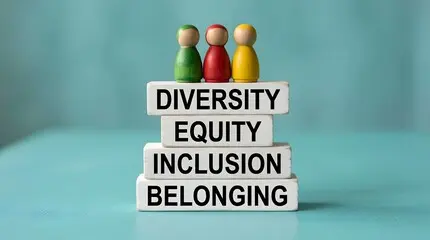
Companies want more revenue, more customers, and more market share. Yet inclusion is too often discussed as though it sits outside those ambitions: a moral commitment to explain, a program to fund, or a political position to defend. The moral obligation still matters. But leaders who stop there miss the business question: Who could be buying from you, and what is keeping them from doing so?
Another formula shaped my career: Preparation + Opportunity = Success.
Preparation meant doing the work. Get the education. Develop the skills. Learn the business. Opportunity might come through an application, a connection, or someone willing to open a door. Of course, preparation does not guarantee access. A qualified person can remain overlooked when the people controlling opportunity never recognize their potential.
Businesses can make a similar mistake with customers.
Demand can exist without leadership seeing it. Purchasing power can exist outside the customer profile a company has decided to idealize. People can be ready to buy while the business remains unprepared to serve them.
So consider a different formula: Representation + Opportunity = Market Share or Growth.
Representation means recognizing the people who make up your potential market. Their needs, their experiences, and their purchasing decisions belong in your understanding of where growth can come from.
Opportunity means creating a practical way for those people to become customers.
Consider a business that closes before working customers can arrive, a website that some customers cannot navigate, or a service process that assumes every household looks the same. Each decision may appear routine internally. To the customer, it can determine whether doing business with that company is possible. Put someone in an advertisement, then make the purchase unnecessarily difficult, and you have paid to introduce them to a disappointment.
To business leaders, your first question is: Who are your customers? Many can describe the customers they want. Push further. Who actually buys? Who returns? Who walks away? Whose feedback reaches leadership, and whose experience never enters the conversation? Then comes the question that should interest anyone responsible for revenue: Who are you missing?
A customer profile is useful. Even breaking it down by personas can be helpful. But when it becomes a rigid boundary, businesses risk treating their existing customer base as the full extent of the market. It creates unidentifiable blind spots.
That is a costly assumption to leave unexamined.
Leaders should ask employees where customers struggle, examine where purchases break down, and listen to people who considered the business but chose another option. Those answers can reveal changes worth testing: different hours, clearer information, a more usable product, or a service experience that reflects the customer journey.
None of this means every business must serve every person. Nor does representation automatically produce revenue. Businesses must deliver value and earn the purchase. But you cannot evaluate an opportunity you refuse to see.
When budgets tighten and companies search for growth, understanding overlooked customers deserves a place alongside pricing, product development, and sales strategy. It belongs in the decisions about where the business invests and how it measures results.
At BellSouth, that extra line reflected a basic expectation: the business would grow, and our recommendation should make room for it.
Today, leaders need to ask whether their strategies make room for the customers they have yet to reach.
What demographic or consumer groups are you overlooking? Because that’s where your growth may be hidden.
Michelle Medious-Washington is the founder of Elevated Encounters LLC and author of The Real DEI (Discretionary Engines of Inclusion): How Exclusion Drains Economic Value and How Inclusion Restores It.
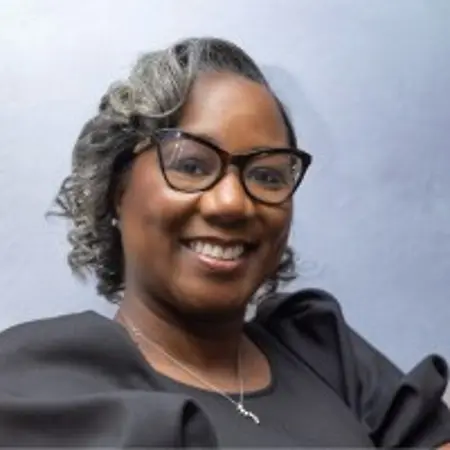
Michelle Medious-Washington is the Founder and Chief Executive Officer of Elevated Encounters, a boutique management consulting firm focused on customer experience, business transformation, leadership strategy, and the changing world of work. She brings 25 years of corporate experience across telecommunications, enterprise technology, sales, partnerships, and customer success, including senior leadership roles at…





