Looking for Love in all the Wrong Places
The Hidden Costs of Modern Romance: Why Dating Apps May Be Damaging Your Mental Health and Safety

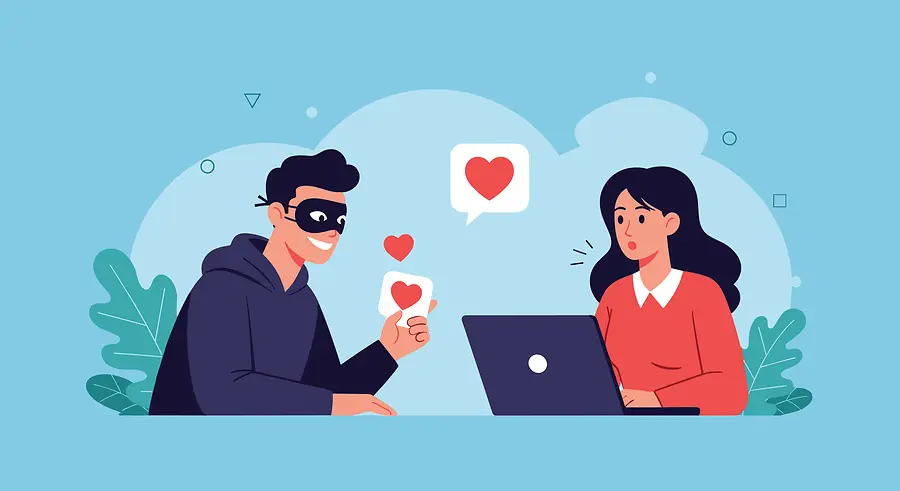
When we are young, finding love is easy. The vibrancy of youth, the carefree approach to life, and the excitement of exploring new avenues allow for easy companionship. But when we get older—and I’m speaking from a woman’s perspective—the prospect of love becomes more difficult.
We are more independent, set in our ways, have families to consider, and may want different things than we did when we were younger. Finding someone to talk to or a person who shares the same beliefs can be difficult as we move through our everyday lives.
Enter the dating apps.
Dating apps began with Match.com in April 1995—three years before Google. Prior to that, people could search for love through personal ads in newspapers. Almost every paper dedicated a few pages to them. The idea that singles could find love on the internet was initially met with skepticism and even ridicule. It wasn’t an immediate success, as people were still trying to figure out how email worked. But by 2007, online dating had become the second-highest industry for paid online content.
Their advertisements suggest that their matchmaking systems have changed countless lives. And in some cases, they have—but not always for the better. What they don’t advertise is the darker side of dating apps. After all, that would affect their bottom line.
“What started as a cute matchmaking tool has morphed into a multimillion-dollar industry. Forget Cupid’s gentle nudges—it’s now all about companies dangling false hopes while draining our wallets,” according to Jana Hocking of the New York Post.
Anastasia Hronis, a psychologist from the University of Technology Sydney, revealed that her studies show dating apps can trigger the same dopamine rush associated with gambling.
“Just the thought of checking for matches can set off a dopamine hit,” she explained. “It’s like the anticipation of a win, rather than the win itself, that keeps us hooked.”
Dating apps have, in many ways, taken a darker turn—wreaking havoc on both mental health and bank balances.
Let’s examine the negative mental health impacts of dating apps and how they can affect an individual’s well-being.
The superficial nature of dating apps—where users are judged largely by profile pictures—can negatively affect self-esteem and body image. Toma and Hancock (2010) found that individuals who receive fewer matches or likes reported lower self-esteem and greater dissatisfaction with their appearance. Comparing themselves to idealized images of others can intensify feelings of inadequacy and lead to negative self-perception.
A study published in the Journal of Social and Personal Relationships (Timmermans & De Caluwé, 2017) found that frequent use of dating apps is associated with increased anxiety about one’s relationship status and FOMO (fear of missing out) on potential matches. The anticipation of rejection can intensify these feelings, creating a continuous cycle of stress.
Research conducted by Montag et al. (2019) revealed that individuals with higher levels of loneliness and social anxiety were more prone to addictive use of dating apps, often seeking validation and connection in the digital realm.
While dating apps offer convenience and accessibility in the search for romance, it’s important to recognize and address the potential mental health implications associated with their use. From diminished self-esteem to heightened anxiety and the risk of addiction, these platforms can take a toll on psychological well-being.
Linda Adey, a journalist and host of Dating’s Dangerous Secrets, set out to explore the gap between two realities: the internet is filled with risks, yet dating apps remain one of the most common ways people meet romantic or sexual partners.
A survey conducted by Dating’s Dangerous Secrets found that among people who had used a dating app in the past four years, roughly three-quarters reported positive or neutral experiences. However, about one in four reported inappropriate behavior.
Their investigation examined what happens when such behavior is reported to dating apps. It quickly became clear that, for many offenders, there is little incentive to change harmful or even criminal behavior.
DDS proposed a straightforward solution: linking dating profiles to verified real-world identities. If users’ identities were confirmed and any criminal history or complaints were accessible, potential matches could make more informed decisions.
However, it became clear that such transparency conflicts with the dating app business model. Online, business interests often come first.
For example, one woman reported being sexually assaulted by a man she met on Tinder. Despite Tinder’s claims that reports of sexual assault are treated with urgency and seriousness, the outcome was shocking: the woman herself was banned from the app for allegedly violating terms and conditions—without being told what she had done wrong. Nine months later, she received only a basic automated response.
In another case, a woman reported that her Tinder date raped her repeatedly. When she attempted to report him through the app, she discovered he had blocked her. This action erased their conversation history and prevented her from accessing his profile to file a report.
In yet another case involving the app Plenty of Fish, a woman was murdered by a repeat violent offender—someone who should never have been allowed on a dating platform. Although convicted sex offenders are technically banned from using most dating apps, the absence of background checks means there is little to stop them from creating profiles.
Legally, dating apps are not responsible for what happens after users match on their platforms. The question remains: do these companies have a duty to provide users with as much information as possible about potential partners before a match occurs?
These cases present a compelling argument that greater accountability may be needed. Without stronger pressure or regulation, dating apps have little incentive to change.
A beautifully written piece titled The Dark Side of Dating Apps by Keelia Clarkson (2020) explores the emotional impact of online dating:
Dating has become a numbers game rather than a connection. Swiping is dopamine-driven but rarely fulfilling, and users are beginning to feel the emotional cost.
Behind attractive profile pictures and witty bios lies a hidden epidemic of deception. Romance scams have become one of the most lucrative forms of cybercrime. In the United States alone, over $1.3 billion was lost to romance scams in 2022—a number likely underreported due to the shame many victims feel.
But the dangers extend beyond financial loss. Users have been doxed, stalked, assaulted, and manipulated. Although some apps have implemented safety features, studies show vulnerabilities remain—from location tracking risks to weak moderation of abusive behavior.
Perhaps most troubling is the emotional emptiness many users report. Dating apps promise meaningful connection but often deliver only a hollow simulation of intimacy. People frequently describe feeling disposable, replaceable, and unseen.
The paradox is striking: despite having more options than ever before, many people feel more alone. According to a Pew Research study, 42% of Americans say dating apps have made it harder—not easier—to find long-term relationships.
Yet the industry continues to grow. Dating apps generated more than $8 billion in revenue last year. While users scroll in search of love, the companies behind these platforms profit from the loneliness economy—one swipe at a time.
Dating in the digital age is no longer about fate or timing. It’s about algorithms, data points, and engagement metrics. We have gamified one of the most human experiences: falling in love.
And it leaves many of us wondering—are we actually getting better at dating, or just better at pretending?
Protecting Yourself on Dating Apps
First and foremost: Do a background check—thoroughly.
There are people who will lie about anything and everything. Without verification, it can be difficult to know who is telling the truth. If someone begins a relationship by lying, it rarely develops into a healthy partnership.
Obtain basic identifying information such as their full name, age, and location. Services like Nuwber or TruthFinder can provide additional background information for a small fee.
Establish Safety Measures
Safety should always be your top priority when meeting someone from a dating app.
Choose a public place for your first meeting. Additionally:
- Inform a trusted friend about your date and share the person’s name, meeting location, and a screenshot of their profile.
- Consider using apps that allow real-time location sharing.
- Arrange your own transportation so you can leave whenever you choose.
Communicate Expectations
Before meeting in person, discuss your expectations openly. Communication can prevent misunderstandings and clarify intentions.
Share:
- Your interests
- Your lifestyle
- What you’re seeking in a partner
- Any deal-breakers you may have
Clear communication is the first step toward a successful relationship.
Choosing a Public Meeting Place
Coffee shops, parks, or casual restaurants are excellent first-date options. These environments are relaxed, public, and conducive to conversation.
Practicing Active Listening
A good conversation involves both speaking and listening. Active listening means giving your full attention, understanding emotions, and responding thoughtfully without interrupting.
Identifying Compatibility
Compatibility involves more than enjoying a first date. It includes shared values, similar life goals, effective communication, and mutual respect.
If these factors align, the relationship may have potential. If not, it may be wise to continue your search.
Dishonesty Is the Biggest Deal-Breaker
According to a Match.com survey, 83% of people consider dishonesty a major deal-breaker in relationships.
Cheating and lying can lead to feelings of betrayal, self-doubt, anxiety, and depression. Trust is the foundation of any healthy relationship.
Red Flags in Someone You Just Met
He gets serious too quickly
Excessive affection, extravagant gifts, or declarations of love early in a relationship may indicate “love bombing,” a manipulation tactic.
He is dishonest
Patterns of secrecy or lying about past experiences or whereabouts can signal deeper issues.
He cheats
Infidelity often reflects patterns of dishonesty and disregard for a partner’s feelings.
He becomes excessively jealous
Frequent questioning about your whereabouts, criticizing your friends, or invading your privacy can indicate controlling behavior.
Your loved ones are concerned
Friends and family often recognize warning signs that may be difficult to see when you are emotionally involved.
Final Thoughts
It’s a complicated world, and online dating can expose people to both meaningful connections and serious risks.
Remember: nobody is perfect, not everyone tells the truth, and harmful people can sometimes hide behind charming profiles.
Stay cautious, trust your instincts, and prioritize your safety.
Stay safe out there, sisters.


