May is Mental Health Awareness Month - A Narcissistic Relationship Is Weaved with Manipulation and Abuse - How to Help Someone Overcome the Damage
Understanding Narcissistic Abuse and How to Support Those Trapped in Its Cycle

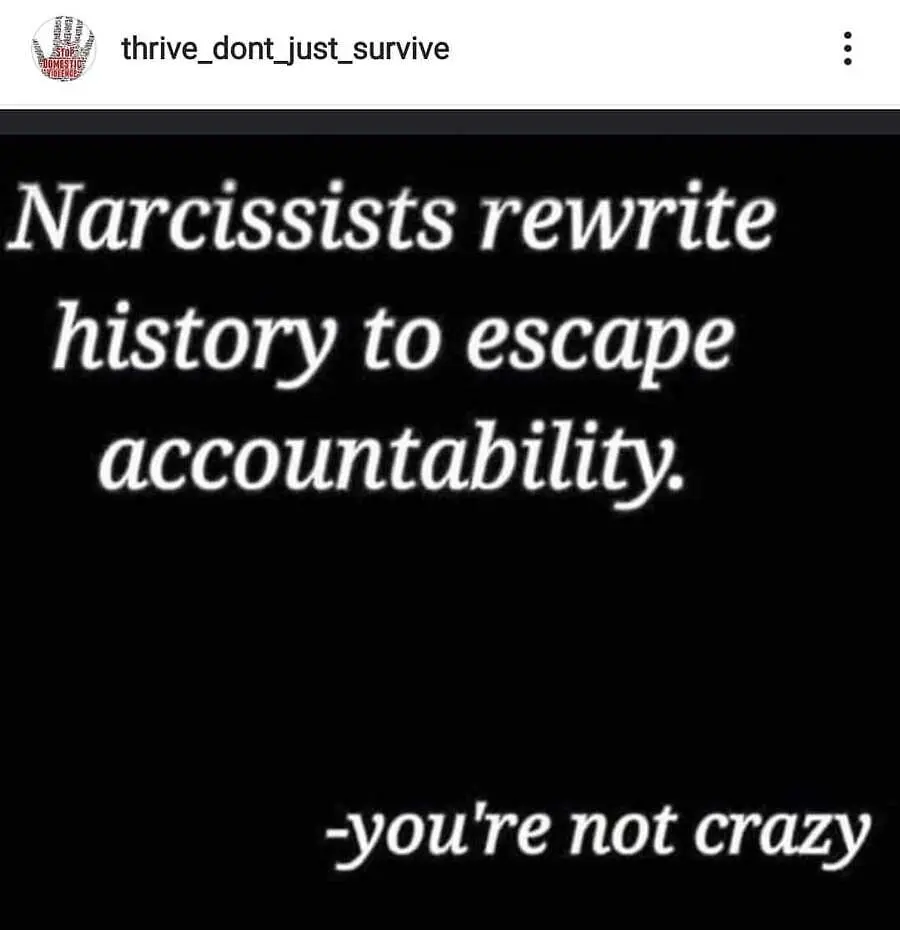
Narcissist – A person who has an excessive interest in or admiration of themselves. They believe the world revolves around them.
When someone is in an abusive relationship, it can only be hidden for so long. As time goes on and the victim becomes worn down, the signs begin to show.
The important people in their lives begin to take notice, yet the person being abused continues to make excuses for the harmful behaviors. The more questions people ask, the more the victim may even begin blaming themselves for what is happening.
The narcissist is a sly individual who plays the game to the ultimate limits, making themselves appear to be the good guy or girl in this twisted scenario. They are so clever at manipulation that they make their target feel as though they did something wrong to deserve the treatment they are receiving in this dysfunctional relationship.
The narcissist is self-absorbed, with little to no empathy or compassion for anyone—especially their intended target.
Oh, the web they weave. Endless.
As difficult as it is for the victim, it is also extremely hard for those watching from the outside, feeling helpless as their pleas seem to fall upon deaf ears. That is the frustrating part. We give strong advice, only to be pushed aside over and over again, which makes it very difficult to remain supportive. It becomes painful to watch as the years pass and the abuse worsens.
Why do you think the victim does not listen?
There are many answers to that question, but one of the biggest is that the perpetrator has beaten them down emotionally to the point of feeling broken. The victim begins to believe they are unworthy of anything good, while the abuser gains power by continually tearing them down.
This is incredibly difficult to overcome once a person’s sense of self has been compromised and their confidence destroyed.
So, to say the victim is “not listening” is not accurate. They do listen, and deep down they want out, but they often do not know how to get there. There is usually an underlying sense of loyalty to the abuser because they have been manipulated into that mindset. Some may call it “brainwashing,” and in many ways it is. It is the constant emotional breakdown of the victim through words, behaviors, and actions. In some situations, physical violence further traumatizes the victim into submission as they live in a silent hell.
This awful pattern of abuse cannot be reversed quickly. It can take years—and many unsuccessful attempts—to leave an abusive relationship permanently. Then comes the next step: learning how to heal once it is finally over. The healing process itself can also take years.
Unfortunately, some victims do not make it out alive, and that is the most devastating part for everyone involved. Domestic violence has claimed the lives of countless victims, and every story carries eerily similar patterns. The victim becomes so consumed by dysfunction and trauma that they cannot see the light at the end of the tunnel. Remaining in the relationship, as abusive as it may be, begins to feel “comfortable” because the narcissist has conditioned them through continual manipulation and emotional destruction.
THIS IS WHY WE MUST CONTINUE TO ADVOCATE FOR THE VOICELESS.
When you are trying to support someone in a relationship like this, you must be very careful in how you navigate those murky waters. If you come on too strong, they may instantly shut down. If you remain silent and do not acknowledge the abuse, you unintentionally reinforce their belief that they are unworthy of anything better.
There has to be balance in how you approach the conversation and in when you make your points. You must also be willing to validate the feelings of the person being abused.
Being a consistent source of support is necessary, but you should also avoid sugarcoating the situation. Offer honesty, but not in a judgmental way. The last thing an abuse victim needs is more judgment. Of course, it is difficult to sit back and witness abuse without feeling emotional or frustrated because it is deeply triggering. At the end of the day, you simply want that person to be safe and okay.
It is such a difficult position to be in when you are trying to help someone you care about while also trying to remain neutral. I have experienced this firsthand. A very good friend of mine was in this type of relationship for years. I struggled watching it all unfold, and I was always honest with her. I know she appreciated my honesty, but at one point she pulled away from me because she simply could not handle hearing the truth. Our friendship took a major hit, and she essentially put me “on the shelf” for a long time until she was ready to face the situation.
Eventually, my continued support came full circle. She knew she could trust me and that I would be there for her when she was ready. That is a major key to all of this: the person has to be ready to take that leap.
My friend finally found the courage to break the cycle and free herself from the toxic relationship, but the journey has been long and difficult. It is still ongoing because those old thought patterns continue to haunt her.
The message here is this: once you free yourself from a relationship like this, you must take the next steps to work on yourself and your mental health. Years of abuse take a toll on the mind, body, and spirit. I am proud of my friend for taking these brave steps, and I continue to support her. As I watch her behaviors, movements, and reactions, I can still see the damage he caused, and it hurts my heart.
My friend was once bold, fierce, and filled with tenacity. She has changed, but perhaps that is part of the healing process. Change must happen in order to overcome. She is a work in progress, and I stand beside her.
There are no easy answers or quick fixes for situations like this. There must be continued support along the way, along with gentle encouragement that offers both kindness and practical guidance.
It is a process for everyone involved.
If you know someone who is in a narcissistic or abusive relationship, one of the best things you can do is learn how to support them appropriately.
15 Ways You Can Support Someone in a Narcissistic or Abusive Relationship
- Listen to them.
- Validate their experiences.
- Educate them about narcissistic abuse.
- Educate them about the signs of domestic violence.
- Encourage them to practice self-care.
- Help them set healthy boundaries.
- Offer practical support.
- Provide a safe space.
- Help them rebuild their self-esteem.
- Help them build a support system.
- Remind them of their value and importance.
- Encourage them to move forward one step at a time.
- Offer kindness and compassion.
- Encourage them to speak with a counselor to better understand the abuse.
- Offer honesty with care and sensitivity.
We must continue raising our voices for awareness and change. Domestic violence, narcissistic abuse, and mental health struggles are deeply interconnected, and the outcome can feel like a “verbal bomb” waiting to explode.
Every day, the news is filled with more cases involving domestic violence. As the numbers continue to rise, we must push even harder to break the silence surrounding this difficult subject.
Please remain aware of your surroundings and be willing to ask questions. By doing so, you may help change the narrative—and potentially save a life.
Please share this important article and stand up for all the victims waiting to be heard.
We can create change if we work together.
Embrace the Journey,
Lisa Zarcone
Please visit my website: Lisa Zarcone Official Website
Book Resource
Married to the Illusion: A Survivor’s Guide to Recognizing and Escaping Narcissistic Abuse
Author: Bailey Smith
I highly recommend this book, as Bailey is an abuse survivor turned advocate.
Support Resources
National Domestic Violence Hotline (24/7):
1-800-799-7233
Suicide & Crisis Lifeline:
988
There are also local help centers in most communities. If you are struggling, please reach out for help and support. You do not have to go through this alone. There is always a way forward.
“Overcoming abuse doesn’t just happen. It takes positive steps every day. Let today be the day you start to move forward. Moving forward in abuse recovery isn’t easy, but you can move forward mentally and emotionally even if you're living in an abusive relationship.” — One Step at a Time