
Navigating Senior Care: How to Evaluate Assisted Living and Nursing Facilities
A Comprehensive Guide to Evaluating Senior Care Facilities with Confidence

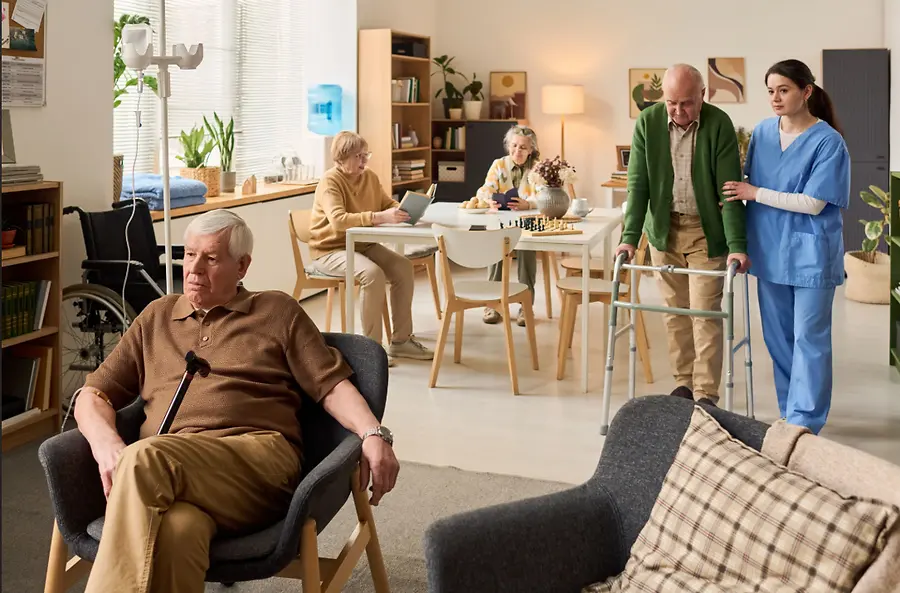
Choosing a senior care facility for yourself or a loved one is one of the most consequential decisions a family can make. The process often comes during times of health transition, making it crucial to approach the search with clarity and structure.
Understanding the clinical differences between facility types, knowing what to look for on-site, and conducting thorough due diligence can help ensure a safe, comfortable, and sustainable environment.
1. Understanding Care Levels: Assisted Living vs. Nursing Facilities
The first step in evaluating options is matching the senior's physical and cognitive needs to the appropriate care model. Confusing an Assisted Living Facility (ALF) with a Skilled Nursing Facility (SNF) can lead to placing a loved one in an environment with either insufficient medical support or unnecessary clinical constraints.
2. On-Site Evaluation: What to Look For on a Tour
While glossy brochures showcase clean common areas, the true quality of a facility is revealed in daily operations. When visiting a property, focus on three key areas:
Staff Operations & Culture
- Interactions: Watch how staff members engage with residents in hallways and common areas. Look for warm, respectful communication that honors individual dignity.
- Staff Turnover & Ratios: Inquire directly about caregiver-to-resident ratios across all shifts, including night coverage. High staff turnover is frequently linked to inconsistent care and management issues.
- Resident Appearance: Pay attention to whether residents appear well-groomed, appropriately dressed for the time of day, and engaged in activities outside their rooms.
Safety & Environment
- Cleanliness & Odor: Persistent unpleasant odors-particularly near non-restroom areas-often point to delayed care or insufficient staffing.
- Structural Accessibility: Look for non-skid flooring, continuous handrails in corridors, zero-threshold showers, and visible, accessible emergency call buttons.
- Common Spaces: Ensure outdoor courtyards and dining rooms are easy to navigate with mobility aids like walkers and wheelchairs.
Dining & Daily Life
- Meal Quality: Plan tours around lunchtime to sample the food. Evaluate the nutritional quality, meal variety, and how attentively staff assist residents who require help dining.
- Active Engagement: Check whether posted activity schedules reflect genuine participation or merely passive activities like group television viewing.
3. Specific Considerations by Facility Type
Key Factors for Assisted Living Facilities
- Transition & Discharge Triggers: Clarify what conditions would necessitate a mandatory move out. For example, if a resident begins requiring two-person transfers or advanced medical care, will the facility accommodate them or require a transfer to a nursing home?
- Pricing Models: Ask for a transparent breakdown of base rent versus tiered care fees. Understand how costs adjust as personal assistance needs increase over time.
- Memory Support: If early-stage memory impairment is present, evaluate whether the facility offers a secured Memory Care unit on-site to ensure seamless continuity of care.
Key Factors for Nursing Facilities
- Public Ratings & Inspections: Review government performance metrics, such as Medicare's Care Compare system, paying close attention to health inspection reports and staff hours per resident day (HPRD).
- Clinical Capabilities: Confirm on-site access to specialized care, including physical, occupational, and speech therapy, as well as the frequency of attending physician visits.
- State Survey Records: Request the facility's most recent state survey and inspection reports, which facilities are required by law to provide upon request.
4. Due Diligence Strategy
To make a fully informed choice, go beyond the standard scheduled tour:
- Conduct an Unannounced Visit: Return unannounced during non-peak hours-such as late afternoon or a weekend-to observe how the facility operates outside standard management hours.
- Speak with Current Families: Talk with visiting family members in common spaces or parking areas to gain candid insights into staff responsiveness and overall operational quality.
- Consult a Long-Term Care Ombudsman: Contact your regional Long-Term Care Ombudsman. As state-funded advocates, ombudsmen maintain impartial oversight of local facilities and can provide insights regarding past complaints or performance trends.

Gladys Yarbrough is CEO of KD Bar Investments and Private Money Lending Manager at Blue Horizon Capital Group. With over two years in real estate and private lending, she specializes in helping distressed homeowners and structuring profitable transactions. Certified Project Money Lender with cosmetology and business education, Gladys received Outstanding Leader of the Year Award for 4-H mentorship. She excels at…





