Rebuilding the Village in a World That Forgot It
Why Collective Care Matters More Than Individual Strength

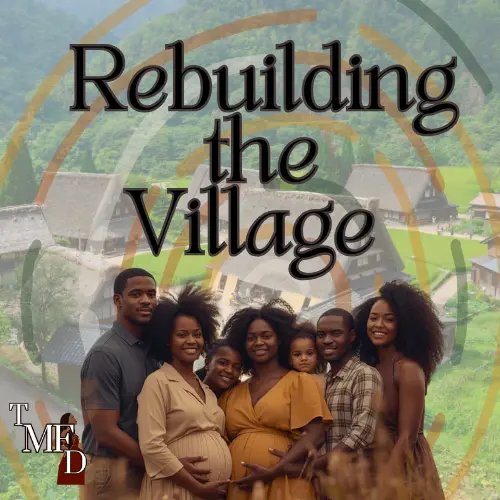
There was a time when care was unmistakable.
It lived in a community. It showed up consistently. It existed in shared responsibility, collective wisdom, and people who understood that no one was meant to navigate life’s most vulnerable moments alone.
That recognition now feels increasingly scarce.
Today, we live in a world that praises independence while normalizing isolation. People are told to be strong and self-sufficient, even during experiences meant to be shared. Pregnancy, illness, recovery, loss, and transition—communal by nature—are now often faced in silence.
I see the impact of this every day.
Across healthcare, advocacy, and community spaces, people navigate complex systems with scant support. They receive information instead of continuity. Instructions instead of advocacy. And when the load becomes unbearable, focus turns to personal endurance, not collective responsibility.
We ask people to survive, rarely questioning who is supporting them along the way.
Survival Is Not the Same as Care
Much of what we celebrate as strength today is actually survival.
Survival is reactive. It centers on enduring appointments, fulfilling responsibilities, and maintaining composure without space to rest or reflect. Survival is necessary, especially in broken systems, but unsustainable.
Living begins when support becomes consistent. When someone feels believed. When care is not rushed or conditional. Living is the moment a person can exhale because they are no longer navigating alone.
Thriving, however, requires community.
Thriving is not the result of trying harder or being more resilient. It happens when care and responsibility are shared, and support lasts long after a crisis.
Thriving is not an individual achievement.
It is a collective outcome.
The Cost of Forgetting the Village
When community disappears, risk increases.
Isolation makes it harder to notice warning signs.
Fragmented care delays help.
Disconnection allows people to fall through the cracks.
We see this in maternal health, chronic illness, disability support, and mental health care. Outcomes suffer not from incapacity, but because support is transactional, inconsistent, and often disconnected from lived experience.
Care becomes something people access instead of something they belong to.
The village was never just about proximity.
It was about protection and shared responsibility.
And that collective commitment is what we must actively rebuild—together.
Community Is Not Nostalgia, It Is Infrastructure
Community-centered care is often dismissed as sentimental or outdated, but it is neither. It is practical. It is preventative. And it works.
A strong village catches issues early.
It reduces burnout and crisis.
It builds trust and accountability beyond institutions.
Community does not replace systems; it strengthens them.
When people are supported by others who understand their context, culture, and lived experience, care becomes safer and more effective. People are more likely to ask questions, advocate for themselves, and remain engaged in their care. Trust grows. Outcomes improve.
This is especially critical for those who have historically been marginalized or overlooked.
What Rebuilding the Village Can Look Like in Practice
Rebuilding the village requires intentional shifts in how we show up for one another—not grand gestures.
It can begin with continuity, ensuring people are not handed off, passed along, or left to re-explain their story at every step. Consistent relationships build trust, and trust saves lives.
It requires listening as an act of care, not as a formality. When people are heard without being rushed or dismissed, they are more likely to engage, share concerns early, and participate fully in decisions affecting their lives.
It means sharing responsibility, rather than placing the burden solely on individuals to advocate, navigate, and endure. Community members, organizations, and systems all have a role to play in catching gaps before they become crises.
Rebuilding the village also means valuing lived experience as expertise. People closest to the problem often hold the clearest insight into what is missing and what would help.
Most importantly, it requires us to stop asking, “Why isn’t this person coping better?”
And start asking, “What support would allow them to thrive?”
Rebuilding What Was Never Meant to Be Lost
Rebuilding the village does not mean returning to the past.
It means being intentional about the future.
It means designing care models that prioritize relationships over results.
It means listening before leading.
It means recognizing that dignity is foundational, not optional.
In my work, I focus on creating spaces where people feel seen, heard, and supported—not managed. Where care is culturally fluent, trauma-informed, and rooted in community wisdom. The goal is not to be the solution, but to help build networks of care that endure beyond any one person.
Because real sustainability does not come from overworked individuals.
It comes from shared responsibility.
Remembering and Reimagining
We do not need more people being told to push through.
We need more people to be met where they are.
To rebuild the village, slow down, reconnect, and ask key questions:
- Is your voice being overlooked?
- How can care feel less transactional and more human?
Influence is not measured solely by visibility.
It is measured by the conditions we create for others to thrive.
If we want healthier communities, more safety, and equity, we must act together. Do not ask individuals to shoulder burdens alone; share responsibility. The village is not gone.
Now is the time to remember, reimagine, and actively help rebuild the village.
Chantel Spinner is a community advocate and leader working at the intersection of care, systems, and equity. Her work centers on rebuilding community-based support models that prioritize dignity, connection, and continuity of care.


