
𝗧𝗵𝗲 𝘄𝗿𝗼𝗻𝗴 𝗵𝗲𝗮𝗿𝗶𝗻𝗴 𝗮𝗶𝗱 𝗶𝘀 𝗻𝗼𝘁 𝗮𝗹𝘄𝗮𝘆𝘀 𝗮 𝘁𝗲𝗰𝗵𝗻𝗼𝗹𝗼𝗴𝘆 𝗽𝗿𝗼𝗯𝗹𝗲𝗺
The questions matter more than the technology.

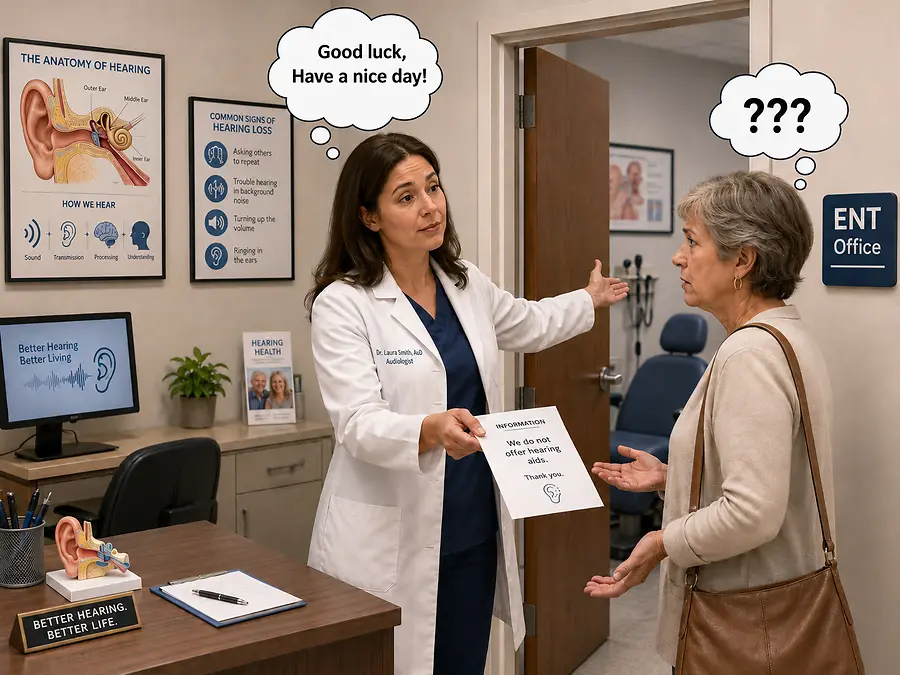
𝗧𝗵𝗲 𝘄𝗿𝗼𝗻𝗴 𝗵𝗲𝗮𝗿𝗶𝗻𝗴 𝗮𝗶𝗱 𝗶𝘀 𝗻𝗼𝘁 𝗮𝗹𝘄𝗮𝘆𝘀 𝗮 𝘁𝗲𝗰𝗵𝗻𝗼𝗹𝗼𝗴𝘆 𝗽𝗿𝗼𝗯𝗹𝗲𝗺... Sometimes, it is a questioning problem.
Before anyone talks about brands, styles, features, rechargeable batteries, Bluetooth, or price, the conversation should start with the patient's real life.
Because hearing aids are not chosen based solely on an audiogram.
𝗧𝗵𝗲𝘆 𝗮𝗿𝗲 𝗰𝗵𝗼𝘀𝗲𝗻 𝗳𝗼𝗿 𝗮 𝗽𝗲𝗿𝘀𝗼𝗻.
The best recommendations come from understanding how someone lives, communicates, struggles, works, connects, and hopes to feel again.
Here are some of the questions every patient should be asked before deciding which hearing aids may be the right fit:
Where do you struggle the most: restaurants, meetings, watching TV, phone calls, family conversations, church, work, or group settings?
Who are you most afraid of missing in conversation?
What does a "successful" hearing aid outcome actually look like to you?
Have you worn hearing aids before? If so, what worked, what frustrated you, and why did you stop wearing them?
How comfortable are you with technology, apps, Bluetooth, streaming, and making adjustments from your phone?
Do you have any dexterity, vision, memory, or comfort concerns that could affect daily use?
How important are invisibility or cosmetic discretion compared with performance?
What environments are part of your normal week—not just your best-case week?
Do you want the most automatic experience possible, or would you prefer having manual control?
Who else should be part of the conversation to help ensure realistic expectations at home?
There are dozens more.
𝗧𝗵𝗲 𝗯𝗲𝘀𝘁 𝗵𝗲𝗮𝗿𝗶𝗻𝗴 𝗮𝗶𝗱 𝗿𝗲𝗰𝗼𝗺𝗺𝗲𝗻𝗱𝗮𝘁𝗶𝗼𝗻 𝘀𝗵𝗼𝘂𝗹𝗱 𝗻𝗼𝘁 𝗳𝗲𝗲𝗹 𝗹𝗶𝗸𝗲 𝗮 𝗽𝗿𝗼𝗱𝘂𝗰𝘁 𝗽𝗶𝘁𝗰𝗵. It should feel like someone finally understood what the patient is trying to get back.
Hearing care professionals: What question do you always ask before recommending hearing aids?
Patients and families: What question do you wish someone had asked you sooner?

Most people enter hearing care through technology. Cara Fiske entered through consequence. Long before hearing healthcare became her profession, Cara had witnessed what untreated hearing loss could gradually take from a person and a family: conversations, confidence, connection, independence, and access to the moments that make life meaningful. A family history of dementia and Alzheimer’s, frequently accompanied by…





