Texas Is Becoming America's AI Powerhouse
How Texas Is Becoming the Nation's Leading Hub for AI Infrastructure Investment and Economic Growth

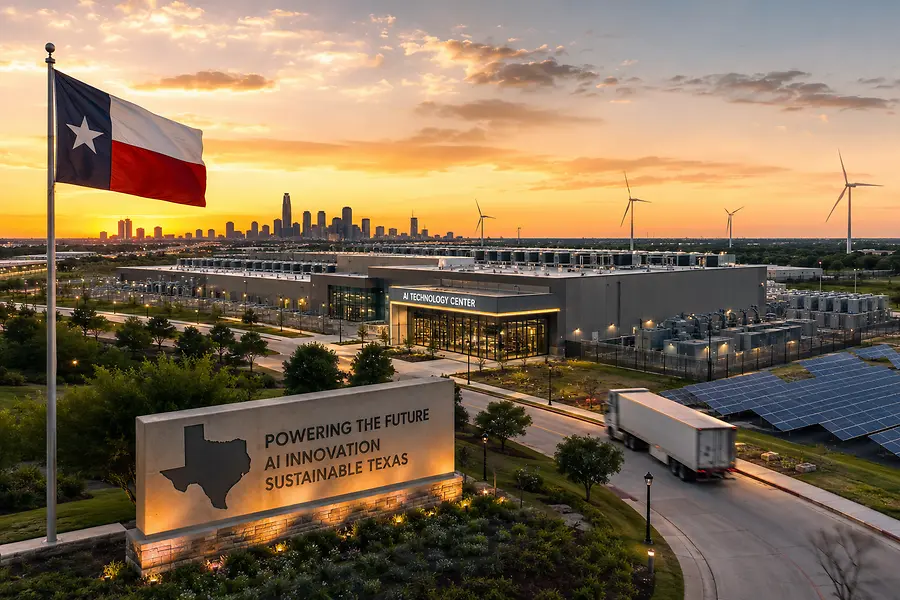
Texas Becomes a National Hub for Artificial Intelligence Infrastructure
Artificial intelligence is transforming industries across the world, and Texas has emerged as one of the leading destinations for AI infrastructure development. Companies are investing billions of dollars into advanced technology centers and large-scale data campuses because Texas offers many advantages: abundant land, a competitive business environment, strong energy resources, renewable energy growth, and a central location that connects businesses across the country.
These AI facilities represent more than technology projects. They are becoming economic engines that influence commercial development, infrastructure improvements, workforce opportunities, and surrounding communities.
As AI continues expanding, Texas is positioning itself not only as a technology leader but also as a destination for businesses that support the rapidly growing digital economy.
Billions of Dollars Flow Into Local Economies
One of the most immediate impacts of AI infrastructure development is economic investment.
Large AI campuses require years of planning and construction, creating significant opportunities for local businesses. Construction companies, suppliers, contractors, equipment providers, transportation companies, restaurants, hotels, and retail businesses often experience increased demand as these projects move forward.
During construction phases, AI developments can create hundreds or even thousands of temporary jobs. These projects bring spending into communities and create new economic activity that extends beyond the technology companies themselves.
Local governments may also benefit through increased commercial property values and higher tax revenue, which can support:
- Schools
- Roads
- Emergency services
- Parks
- Public infrastructure improvements
For communities prepared to manage growth, AI investment can become a long-term economic catalyst.
Creating a New Technology Workforce
Although AI data centers are highly automated, they still require specialized professionals to operate and maintain them.
Permanent employment opportunities typically include:
- Electrical engineers
- Mechanical engineers
- Network engineers
- Cybersecurity specialists
- Facility managers
- HVAC technicians
- Maintenance specialists
- Security professionals
Many of these positions provide strong salaries, with numerous roles ranging from approximately $70,000 to $120,000 annually. Highly specialized engineering positions may exceed $150,000 per year.
These jobs also create opportunities for workforce development programs, technical training, and partnerships between companies and educational institutions.
As Texas continues attracting AI companies, demand for skilled workers will likely increase across technology, energy, construction, and infrastructure industries.
Infrastructure Improvements Benefit Entire Regions
AI campuses require significant infrastructure investments, and many improvements remain valuable long after construction is complete.
Communities hosting these developments may see improvements such as:
- Expanded electrical capacity
- New power substations
- Improved fiber optic networks
- Road upgrades
- Utility expansions
These upgrades can strengthen surrounding communities by improving connectivity and supporting additional business development.
Enhanced infrastructure often attracts other companies looking for reliable power, advanced communication systems, and business-friendly locations.
Rising Property Values and Commercial Growth
AI development can dramatically change the economic landscape surrounding a project.
As demand increases for industrial and commercial space, nearby properties may experience significant appreciation. Landowners near technology campuses may benefit from:
- Increased land demand
- New industrial development
- Warehouse construction
- Office expansion
- Additional commercial projects
The growth of AI infrastructure can transform previously undeveloped areas into thriving business corridors.
For investors, this creates opportunities beyond the AI facilities themselves. Commercial real estate, industrial properties, hotels, housing developments, and service businesses may benefit from the expanding ecosystem.
The Growth of the AI Support Economy
AI campuses rarely operate in isolation. Once established, they often attract companies that support the technology industry.
These may include:
- Semiconductor suppliers
- Equipment manufacturers
- Cloud technology companies
- Battery storage developers
- Renewable energy companies
- Software providers
Over time, these businesses create a technology ecosystem that can continue expanding throughout the region.
This pattern has already occurred in other technology-driven markets, where one major investment attracts additional businesses and accelerates regional growth.
Opportunities Beyond the Data Center
For commercial real estate investors and business owners, the greatest opportunities may not always be inside the AI facilities themselves.
The surrounding demand created by AI growth can influence:
- Industrial real estate
- Logistics facilities
- Workforce housing
- Hotels
- Restaurants
- Retail centers
- Construction services
- Energy infrastructure
Areas experiencing AI expansion may see years of secondary economic growth as businesses develop around these technology hubs.
Texas cities including Dallas, Fort Worth, Abilene, Temple, San Antonio, and Austin are becoming important locations in this expanding AI landscape.
The Future of Texas Technology Growth
The AI boom represents one of the largest technology infrastructure expansions in modern history. Texas has the land, energy resources, workforce potential, and business environment needed to become a national leader.
However, long-term success will depend on more than attracting investment. Communities must also prepare for the challenges created by rapid growth, including energy demand, water management, housing needs, and environmental responsibility.
The next phase of Texas AI development will require balancing innovation with responsible planning.


