Textile Waste Isn’t a Donation Problem. It’s a Supply Chain Problem.
Why textile waste is a systems problem, not a personal responsibility—and how communities can rebuild infrastructure for repair and reuse.

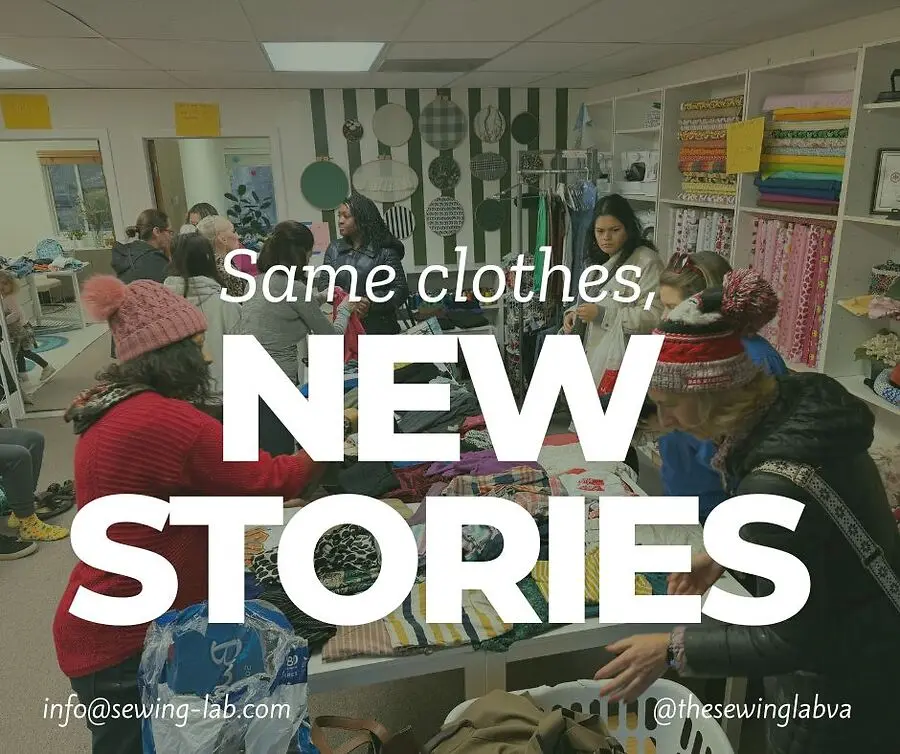
We’ve been taught to treat clothing waste as a personal responsibility issue: buy less, donate better, choose wisely. It sounds right, and it feels tidy. But textiles don’t disappear when we drop them in a bin. They move through systems—and those systems are built for speed and volume, not repair and longevity.
That’s why the outcome we’re seeing isn’t a surprise. Waste is designed. It’s the predictable result of products made to live short lives, materials that are difficult to recover, and an economy that makes replacement cheaper than repair. Donation is not a strategy—it’s a handoff.
I run Sewing Lab, a sustainability-centered sewing school in Northern Virginia. From the outside, it looks like education. In practice, it’s community infrastructure. Sewing is the skill behind repair, reuse, upcycling, and keeping materials in circulation longer. When communities lose that skill, everything becomes disposable faster. And when communities lack pathways for sorting and reuse, “circular fashion” stays trapped in marketing language.
The gap isn’t awareness. The gap is infrastructure.
A functioning loop is simple to describe but hard to build: textiles are collected, sorted into pathways (reuse-ready, repairable, upcyclable, true waste), and matched to their next life. That takes labor, training, partners, and measurement. It’s unglamorous work—and that’s exactly why I’m so committed. I’ve seen the solution in action, and I know it can scale.
We track impact because measurement turns good intentions into repeatable models: how many pounds diverted, how many people reached, and how many partnerships built. Not for applause, but for accountability and improvement.
If you’re a leader reading this, here’s why it matters: sustainability is becoming operational. Trust is earned through systems that work, not statements that sound good. And resilience—whether for families, cities, or businesses—depends on how well we keep resources in use.
Textiles are a case study in what happens when we design for disposal. They can also be a case study in what happens when we design for longevity.
We don’t need perfect consumers. We need better systems—and leaders willing to build them.


