The Connection Between Trauma - Abuse - Addiction - Mental Health Matters
The Link Between Trauma/Abuse and Addiction

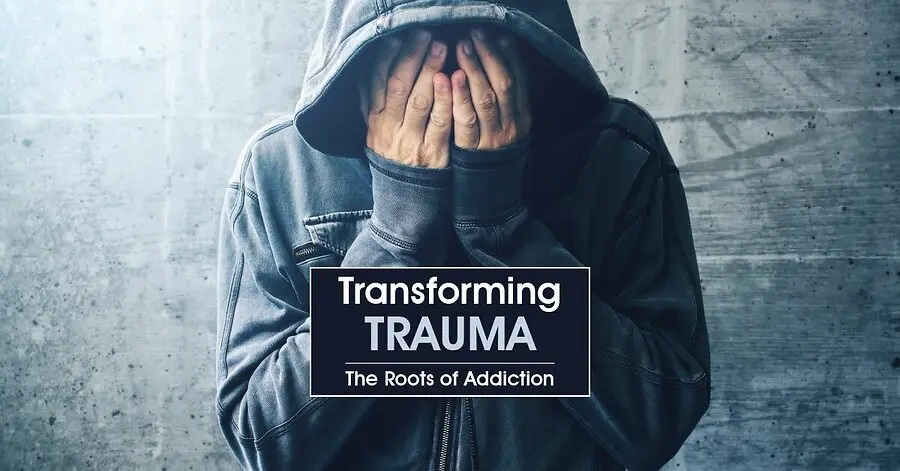
What Do You See?
You're walking down the street, going about your day in the busy surroundings you call home. As you make your way along, you see a young man standing on a street corner.
He is haggard and thin, dressed in dirty clothing. He looks tired and worn out, with deep sadness in his eyes. In his hands, he holds a sign:
"I am homeless, hungry, and tired. Would you please help me?"
You stop for a moment and look at this stranger as many thoughts run through your mind.
Why is this healthy young man begging for money?
Get a job, bum. You're just being lazy.
I'm not going to help because you put yourself in this situation.
He's wasting his time standing here when he could be working.
These are thoughts many people have as they walk by. I have even caught myself thinking:
"Why stand here and beg for money when you could work?"
Unfortunately, in today's society, it is common to think this way because we have been conditioned by countless preconceived notions. We fall victim to the noise. We buckle under the pressure of what surrounds us every single day.
It is a sad reality.
But we must look beyond the surface and see the bigger picture. It is time to break the stigmas that society has created.
Not all homeless people choose to be homeless.
What I mean is this:
Imagine This
It is a cool autumn day, and children are outside playing, enjoying the last warmth of summer before winter arrives. They run up and down the streets, laughing and playing.
As the sun begins to set, the children slowly disperse to their warm homes, where the smell of dinner fills the air.
The neighborhood grows quieter as one by one, these little soldiers march home.
But there, on the street corner, stands a little boy.
He has no coat. His nose is running. He is dirty because he has not bathed in days. His tattered clothing tells a story that his mouth never speaks.
The sun has set, and he is alone.
He has nowhere to go except home.
But home is different for him.
Home is a place of dysfunction and deceit.
As he slowly drags himself toward the front door, hungry and cold, he dreads stepping inside because he never knows what awaits him.
Uncertainty.
Pain.
Abuse.
Sadness.
Drama.
Dysfunction.
Fear.
Abandonment.
This little boy is living a life of silent suffering, damaged by the very people who were supposed to love and protect him.
As he grows older, he searches for ways to dull the pain buried deep inside. Following the example of the adults around him, he begins experimenting with alcohol and drugs.
For a moment, the numbness feels good.
"I'm floating."
No more pain.
As his inner child screams for help—
"Save me. Save me from this hell."
—his addiction slowly buries him beneath the weight of his own coping mechanisms.
As the years pass and the neighborhood changes, he begins to stand out. While other children move forward, he falls deeper into despair.
He is labeled a loser.
A bad seed.
The neighborhood laughingstock.
His anger grows. His addiction deepens.
Eventually, he has had enough of being the punching bag for a dysfunctional family, and he runs away.
Out of the frying pan and into the fire.
The streets consume him.
Desperate to numb his pain, he does whatever is necessary to obtain the substances that temporarily silence his suffering.
He steals.
He fights.
He sells his body.
The streets slowly drain him of everything he once was until all that remains is an empty shell of the young man he used to be.
This is the reality of addiction fueled by trauma, abuse, and neglect.
It is not a pretty picture.
What Will You Think?
You're walking down the street and see a homeless young man.
What will you think?
There are countless broken people traveling the difficult road called life. The wounds of their past are often too much to bear, so they turn to addiction in an attempt to escape the pain.
The relief is temporary.
The addiction is deceptive.
The cravings only grow stronger.
So how do we break the cycle?
How do we help the young man or woman standing on that street corner, lost and alone?
What do we do for the children who are vulnerable to this kind of future?
These are important questions we should all be asking.
How can we help?
We must continue educating society about the realities of addiction and how deeply it is connected to trauma, mental health, and life circumstances.
If we have the opportunity to extend a helping hand and offer someone a path forward, we should do so.
If you know someone struggling with drug or alcohol addiction, offer them hope.
There is a way out.
The first steps are often the hardest, but if you can show someone that they are worth fighting for, you may help save a life.
None of this is simple. None of it is easy.
But we must continue trying.
We must continue raising awareness.
We must continue educating others about these important connections.
Mental health matters.
People need to know they are worthy of a better life.
And it all begins with our children.
Embrace the Journey.
Lisa Zarcone
Crisis and Support Resources
If you encounter someone who is struggling, consider sharing these resources. Be the hand that helps guide someone out of the darkness.
- 988 Suicide & Crisis Lifeline — Call or text 988
- National Runaway Safeline — 1-800-RUNAWAY (786-2929)
- Childhelp National Child Abuse Hotline — 1-800-422-4453
- Substance Abuse and Mental Health Services Administration — 1-800-662-HELP (4357)
- National Human Trafficking Hotline — 1-888-373-7888 or text 233733
- National Alliance on Mental Illness — Mental health support and resources
- Crisis Text Line — Text HOME to 741741
There is a way out. Help is available.
If you are experiencing a mental health crisis, call or text 988.


