
The Debt We Inherited: Why So Many Women Feel Financially Stuck and What We Were Never Taught
How Women Can Break Free from the Debt Cycle and Reclaim Financial Control


There’s something happening quietly across America—and especially among women.
It doesn’t make headlines.
It doesn’t get taught in school.
And most people don’t even question it.
Debt has become so normalized that we mistake it for life itself.
Mortgages, car payments, credit cards, medical bills—it’s all seen as “just the way it is.” Passed down from one generation to the next, like an unspoken rulebook no one remembers agreeing to.
But what if that belief system is the real problem?
The Illusion of Progress
For years, I did everything “right.”
I worked. I earned. I paid my bills.
I assumed I’d likely work well into my later years because that’s what responsible people do.
Then in February 2025, everything changed. I found myself abruptly retired—and financially exposed.
What I realized in that moment was sobering:
I didn’t have a strong financial foundation.
I had a system built on ongoing payments.
What Most People Don’t See
A few years earlier, I had made a decision that didn’t seem extraordinary at the time—I paid $10,000 toward my mortgage principal.
That single move shaved nearly a decade off my loan.
That’s when it hit me:
Most people are not buried under debt alone—they’re buried under interest over time.
For example:
- A $1,500 mortgage payment might only apply a small portion to the actual home
- The rest? Interest
And yet, we’re encouraged to refinance, restructure, and extend the timeline—creating temporary relief but often increasing long-term cost.
Why This Hits Women Differently
Women often carry financial pressures that go beyond spreadsheets:
- Healthcare costs unique to women
- Career interruptions for caregiving
- Longer life expectancy (and therefore longer financial responsibility)
- Emotional spending tied to family, pets, and emergencies
We’re not just managing money—we’re managing life.
And when emergencies happen, debt becomes the default solution.
The System Isn’t Evil—But It Is Incomplete
Banks aren’t villains. Mortgage lenders aren’t trying to harm people.
They operate within a system most of us were never taught to question.
And if you don’t know another way, you follow the only path you see.
A Different Way Forward
What changed for me wasn’t working harder or earning more.
It was learning that there are financial strategies designed to:
- Reduce dependency on traditional debt structures
- Reposition how interest works in your favor
- Create liquidity while eliminating obligations
For the first time, I began to see a path where:
- Debt could be eliminated years faster
- Cash flow could improve without drastic lifestyle changes
- Financial control could actually feel… possible
Let’s Start a Conversation
This isn’t about judgment.
It’s about awareness.
Because once you see how the system works—you can choose how to work within it differently.
And that choice?
That’s where freedom begins.
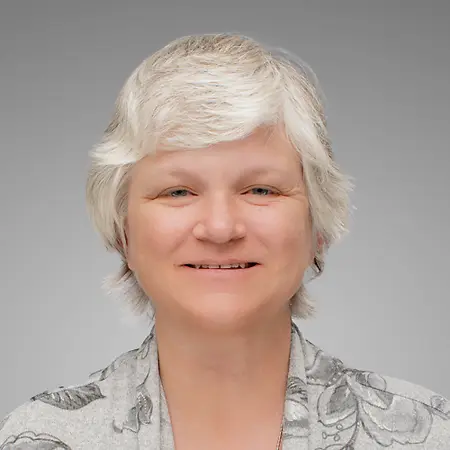
Susan Lynn Sykes is an educator, veteran, and insurance professional whose recent work has become increasingly focused on Medicare education and helping people ask thoughtful questions before making important healthcare and retirement decisions. After many years in special education, Susan brought her passion for teaching, communication, individualized guidance, and problem-solving into her work with individuals,…





