The Doors We Don’t Know Are Locked
Understanding Disability Through Listening and Humility

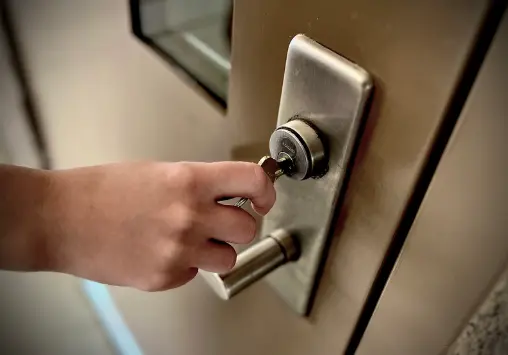
Imagine walking down a hallway toward a room you have every reason to enter. You can see the people inside. You can hear the conversation. You reach the door, turn the handle, and nothing happens.
It is locked. What do you do?
Maybe you look around for someone who can tell you why. Maybe you search for another way in. Maybe you stand there for a moment, hoping someone will notice that you are waiting. But what if no one does? What if everyone inside continues with their day, never realizing that you are standing just outside the door?
For many people with disabilities, this is not a moment. It is an experience.
The doors are not always made of wood and hinges. Sometimes they look like a document that cannot be read by a screen reader. A meeting where no one thought about communication needs. Information provided in a format that does not work for the person receiving it. A physical space that was designed with access in mind, but not for everyone. And sometimes, the hardest part is that the people inside the room do not even realize there is a door.
That is why inclusion isn't simply about knowing everything.
We will never know everything about every disability. We cannot possibly understand every barrier another person may encounter. And we should not assume that knowing someone's disability means we automatically know what that person needs.
Instead, we can ask.
What works best for you? How would you prefer to receive this information? Is there anything you need before the meeting?
Then we can do something that may be even more important than asking. We can listen. Because a person who is blind may prefer Braille. Another person who is blind may prefer an electronic document they can access with a screen reader. One person may want assistance navigating a space. Another may simply want you to ask before offering it. There is no single answer because there is no single experience.
A disability may be something people share, but the person living with it is still an individual. They have preferences. They have experiences. They know what works for them.
And sometimes, they know something we do not. That should not make us uncomfortable. It should make us curious.
Perhaps inclusion is less about having all the answers and more about being humble enough to say, "I don't know. Can you tell me what you need?" There is something beautiful about that kind of question.
It leaves room for another person to be the expert in their own life. It gives us the chance to learn instead of assume. To listen instead of decide. To open a door instead of standing on the other side wondering why someone has not walked through it.
We will not always see the locked doors. We may not recognize every barrier. We may make mistakes. We may discover that something we thought was helpful was not helpful at all.
That is okay. What matters is what we do next. We can ask again. We can listen. We can learn. And when someone shows us a door we could not see before, perhaps the most inclusive thing we can do is not tell them how they should walk through it. Perhaps we simply need to ask, "How can I help open it?"


