The Emotional Cost of Being the Strong One
What Happens When Everyone Depends on You?

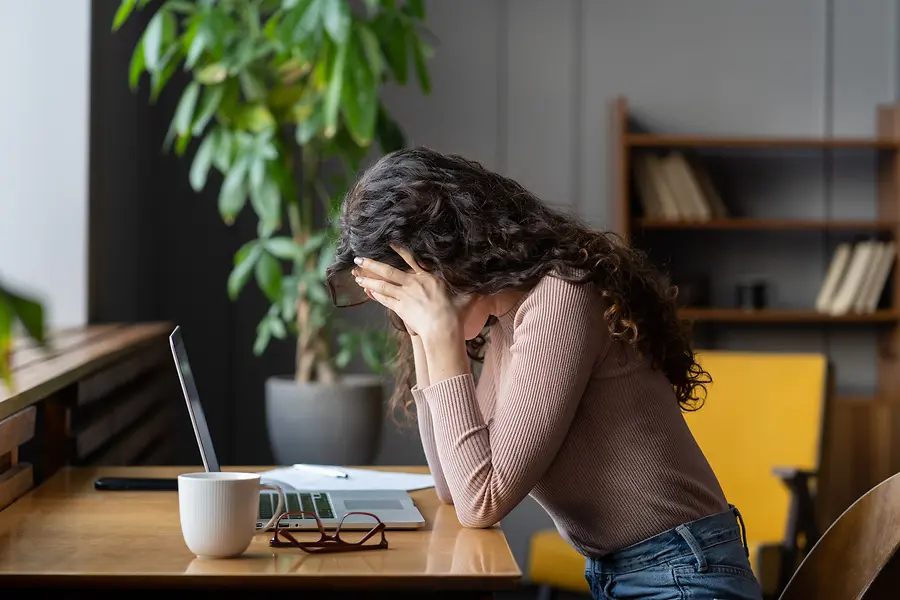
The Emotional Cost of Being the Strong One
She's the One We Can Count On
She remembers the birthdays. Handles the emergency. Checks on everyone. Takes care of the aging parent. Covers for the colleague. Keeps the family connected. Notices when someone isn't okay.
And when she isn't okay?
Often, nobody notices. Or, perhaps more painfully, they notice—but assume she'll handle that too.
There is a particular kind of loneliness that can come with being known as "the strong one." Everyone trusts that you will be okay because you have spent years convincing them—and perhaps yourself—that you always are. But what happens when being dependable stops being something you do and becomes who you believe you must be?
1. How "Strong" Becomes an Identity
For some women, the role begins surprisingly early. A child may grow up in a home where parental attention is stretched thin—perhaps because there are several children, a high-needs sibling, a single parent, long work hours, illness, instability, or simply limited emotional bandwidth. She learns to handle things herself rather than wait for an adult to intervene.
That independence may be praised: "You're so mature." "You're the responsible one." "I don't know what I'd do without you." "You've always been so independent."
The praise feels good. But beneath it, the child may also be learning something more complicated: needing less gets rewarded. Depending on others risks disappointment. Taking care of herself—and sometimes everyone else—feels safer.
For other women, strength develops because circumstances demand it: family instability, an emotionally unavailable parent, caregiving responsibilities, trauma, financial hardship, cultural or generational expectations, or a household in which someone has to hold things together.
As the child becomes an adult, healthy self-reliance can sometimes harden into hyper-independence. Competence remains a genuine strength, but it can also become a protective strategy. Asking for help may feel uncomfortable. Receiving assistance can feel like weakness, indebtedness, or a loss of control. The woman may become so accustomed to meeting her own needs that she stops recognizing when support would be appropriate.
2. When Dependability Becomes Self-Sacrifice
Being generous, responsible, and dependable is not a problem. Following through on commitments and caring for people are values worth keeping. The difficulty begins when caring for others consistently requires abandoning yourself.
When "yes" becomes reflexive rather than thoughtful—without considering your time, fatigue, bandwidth, or preferences—dependability can quietly become self-sacrifice.
The pattern can show up as tolerating one-sided relationships, treating other people's needs as more urgent than your own, feeling responsible for everyone's happiness, avoiding asking for help, feeling guilty when resting, or minimizing your own problems.
Boundaries can be especially difficult because the strong person has spent so much time noticing everyone else's needs that she may have little practice noticing her own. Self-sacrifice can even become a badge of honor—and it is rarely challenged by the people who benefit from her overgiving.
A more sustainable approach requires assessing what others genuinely need while also respecting the limits of your own resources and capacity.
3. The Resentment Nobody Talks About
The strong woman may genuinely love the people she supports while simultaneously becoming exhausted by them.
Resentment does not necessarily mean love has disappeared. Sometimes resentment is information: something about the way we are giving, accommodating, or relating has become unsustainable.
A woman who routinely minimizes her needs may privately wonder, "Why doesn't anyone ever ask what I need?" But there may be a harder question underneath: "Have I taught the people around me that I don't need anything?"
Healing that cycle does not require blame. It requires awareness and accountability. Years of saying, "I've got it," may have unintentionally taught partners, children, friends, or relatives to step back. Offers of help may have been declined so consistently that others stopped making them. Changing the pattern means giving other people an opportunity to show up—and tolerating the vulnerability of letting them.
4. When Carrying Everything Starts to Cost You
Eventually, chronic overfunctioning can have an emotional and behavioral cost. A woman may notice exhaustion, irritability, anxiety, difficulty sleeping, emotional numbness, feeling overwhelmed by small demands, social withdrawal, difficulty concentrating, diminished pleasure, or guilt whenever she is not being "productive." Burnout can follow.
And there is an important paradox: the woman who has spent years taking care of everybody may feel uncomfortable when somebody attempts to care for her.
Receiving can feel strangely vulnerable. She may prefer that people simply know what she needs, yet she may not have developed the vocabulary—or the comfort—to ask for it directly.
5. Why Asking for Help Can Feel So Difficult
For some women, dependence became associated with disappointment, rejection, indebtedness, loss of control, or appearing weak. Some learned strength while watching mothers or other women navigate unequal or painful power dynamics and concluded, consciously or not, that needing someone was dangerous.
Independence then offers emotional safety, but it creates an uncomfortable contradiction: she may deeply desire support while simultaneously making herself nearly impossible to support.
6. When Strength Becomes Anxiety
Sometimes what looks like extraordinary competence contains considerable anxiety underneath it.
If I don't handle it, who will? What if something goes wrong? What will people think if I say no? What if they're disappointed in me? What if I need someone and they aren't there?
Constant responsibility can create the illusion that control equals safety. The mind stays busy anticipating, planning, checking, and preparing.
Eventually, the nervous system gets tired of being everyone's emergency management department. The overthinking itself can become exhausting before the next "yes" is even spoken.
7. Redefining Strength
The answer is not to stop being strong. Strength is genuinely part of who many women are. But what if we expanded the definition? What if strength also included allowing yourself to be supported?
Strength might mean asking for help. Saying no without constructing a courtroom defense. Letting someone be disappointed. Resting before exhaustion forces you to. Allowing other adults to solve their own problems. Admitting, "I'm having a hard time." Receiving as generously as you give.
A balanced life makes room for both independence and interdependence. Accepting appropriate assistance does not erase competence, create a debt, or diminish strength.
8. The Question Worth Asking
Rather than beginning every day with "Who needs me?" try occasionally asking, "What do I need today—and have I made room for it?"
You might also ask: If I stopped being the strong one for a moment, what am I afraid would happen? What emotions have I been carrying without acknowledging them? What is one boundary, request, or act of care that could make my life more manageable?
She Doesn't Have to Resign From Strength
The answer is not for strong women to become less capable, less loving, or less generous. The world needs those qualities. Strength was never meant to require self-erasure.
There comes a point when emotional wellness asks us to reconsider the roles that once helped us survive but no longer allow us to thrive.
You can still be dependable without being endlessly available. You can love people without carrying everything for them. You can be resilient and still need rest. You can be strong and still need somewhere safe to put down what you've been carrying.
And perhaps one of the strongest things a woman can eventually learn to say is, "I need something, too."


