
The Importance of Starting Small
Exploring the Artistic Significance of Overlooked Details in Visual and Performance Art
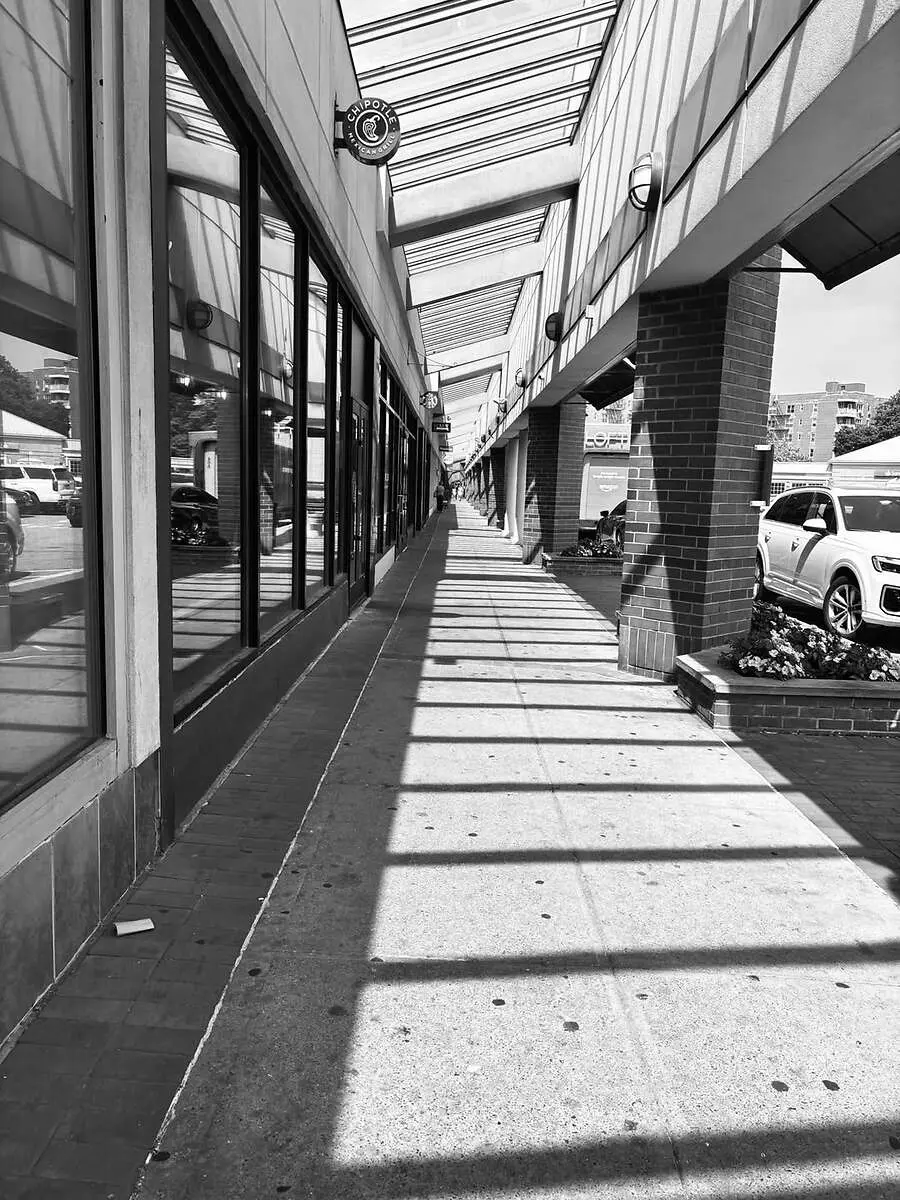
Small, I think, is a word that refers, in art, to a detail that is not immediately at the center of the picture, whether it is performance art or visual art. The human eye, we're taught, needs big things to be stimulated, things that, because of their size, demand to be looked at. For that reason, we choose, as artists, to focus on the center of the picture and overlook the sensory importance of the details in the background—that is, the small ones.
In this article, I will consider small details, not just ones that are diminutive in size but ones that fade into the background of the picture at the expense of something larger. I will also take the term "larger" to mean something that is not only bigger in size but that takes up the center of the artwork.
In art, I think it is easy to think of things that are visual. It is also, because of the dominance of visual forms of art (i.e., paintings), to think of art itself as visual and ignore more physical forms (i.e., performance art). In this article, I'm going to talk about visual art but also try to make space to discuss art that is more physical.
I myself have published countless books containing prompts for performance artists—an act that I hope will spur more debate about the merits of performance art. The reason I suggest a discussion about performance art is not just because of its innate value as an art form but because of its emphasis on detail. Before I undertake any performance art piece, I make sure, through using my senses, that every detail is accounted for and that the surroundings appear as they are supposed to.
The reason for this is not just to make sure that the piece is, by all sensory measures, perfect, but because the details one might overlook (the small ones) are just as important, from a sensory perspective, as the ones we place at the center (the big ones). As a painter, I also attempt, through the rhythm and strength of the paintbrush, to place as much emphasis on the background colors (that is, a small detail) as the ones at the center (that is, the big details). Such a radical act, I hope, opens up a new discussion in art.
Certain schools of political thought argue against hierarchy. I encourage us as artists to use that mentality in a way that makes both small and big details equal in strength and equal in size. Inviting such thought not only makes us better artists but better people.
Amanda Harris is a musician, artist, poet, and creative writer based in Flushing, NY, with a focus on classical music and advocacy for minorities through her work. She holds a BA in English from CUNY Queens College earned around 2014 and has completed some master's classes with a 3.9 GPA. Harris attributes her success to her hard work and being intellectually gifted from childhood, and she has networked with the…





