The Invisible Leash: What Coercive Control Does to a Woman’s Freedom
Understanding the invisible boundaries of coercive control and the path to reclaiming personal freedom.



In a relationship shaped by coercive control, the leash is invisible. The person living with it still learns exactly how far she can go.
She learns how long she can be gone before the calls start. She learns which friend's name will change the mood in the room. She learns that saying yes to an invitation can mean answering for it the rest of the night. After a while, she may turn down the invitation before anyone has a chance to object. To the friend who invited her, it looks like she simply decided to stay home.
Coercive control is a pattern of behavior that takes away another person's freedom. It can show up in who gets to spend money, whose phone gets checked, who can see friends, and who has to explain every change of plans. Often, you see the pattern most clearly when one person makes an ordinary decision and the other makes her pay for it.
How the Leash Tightens
"Text me when you get there" can be a loving request. Pay attention to what happens when the text is late. Is there room for a missed message and an ordinary explanation? Or does she come home to an interrogation, accusations, or days of silence? What happens next tells you far more than the words she heard on her way out the door.
Sometimes the leash loosens. She goes out and has a good time. Her partner is kind when she comes home. Those good days can make her wonder if things are getting better. They can also make it harder to explain the fear she feels the next time she reaches for her keys.
As a survivor, I know how much work can go into keeping the peace. You think about when to bring something up, how to say it, and whether it's worth what might follow. Eventually, you can get so good at reading the room that even you forget how much of your day is spent doing it.
What Freedom Can Look Like Afterward
The habit of checking for tension can follow you out of the relationship. You can be standing in a grocery store, deciding what you want for dinner, and catch yourself preparing to explain what you put in the cart. There's nobody asking. Your mind is already making a case.
That's one reason I pay attention to small choices when I talk about healing. Buying something because you like it. Calling a friend because you miss her. Changing your mind and letting that be the whole conversation. These moments belong to the person making the choice, and for someone who has spent years accounting for every decision, that can take practice.
If you're watching someone you love pull away, try keeping the door open. "I miss you. I'm here whenever you want to talk" gives her somewhere to turn without asking her to defend the choices she's making to get through the day. In advocacy, I believe we owe survivors something they may have gone a long time without. We can listen and let them decide what happens next.
When I come home from walking Zing, I unclip his leash and hang it by the door. He usually heads straight for his water bowl. I think about how ordinary that is: doing the next thing you want to do without first checking how much room you have. That's what I want for survivors. A life with room for ordinary choices, made simply because they're yours.
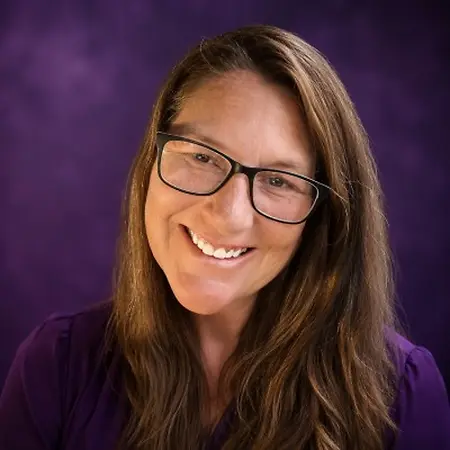
Heather Early is an ordained minister, domestic violence survivor advocate, author, artist, and songwriter. As founder of Cherokee Rose Music & Motion, she shares her personal journey through original music, storytelling, and content that helps survivors recognize abuse, rebuild their lives, and find hope. Heather is pursuing certification as a faith advocate through Focus Ministries, with three classes remaining.…