The Man Who Could Never Move
How childhood experiences shape the decisions we make as adults, and why reframing old beliefs can set us free.

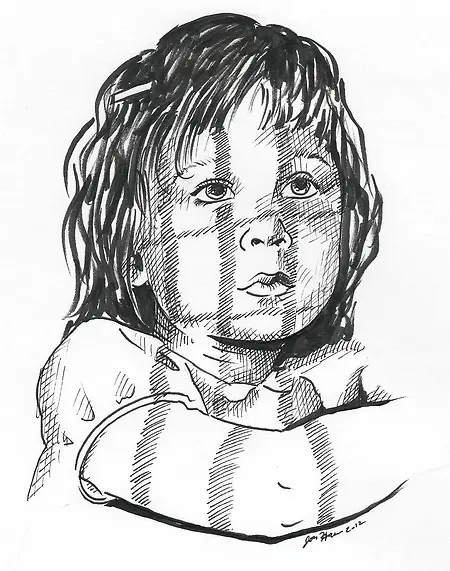
Born in 1906, a young boy grew up in a family that never stayed anywhere for long.
After an argument with his brothers, his father left the family homestead, determined to make a life elsewhere. While his brothers remained, building their farms and their futures, his father moved the family every two years.
The moves became so predictable that the family joked that even the chickens crossed their legs every two years, knowing they would soon be packed up again!
But for the boy's mother, there was little humor in it.
Each time she began to make a house a home, they moved. Sometimes they moved to remote farms without running water, indoor plumbing, or even the simplest comforts. The boy watched his mother struggle, leaving behind everything familiar, time and again.
And without realizing it, he made a quiet promise to himself: When I grow up, I will never put my wife through what my mother endured.
Years passed. The boy became a man, married, and settled in the city where his wife had grown up.
By the mid-1960s, however, the city was changing. Violence and unrest filled the streets. Working at the state courthouse, he sometimes found himself locked inside for days as riots unfolded outside.
He worried about his wife and their two children.
Opportunities came. Good jobs in safer communities, places where his family could begin a new chapter.
Yet each time, he turned them down.
His wife loved her city, and he could not bear the thought of causing her the unhappiness he had witnessed in his mother.
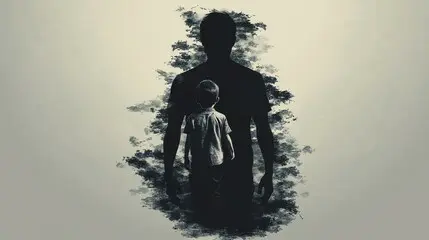
What he didn't realize was that he was no longer responding only to the circumstances of his own life. He was also responding to the pain he had witnessed as a little boy, decades earlier.
His father had moved too often. He had learned never to move at all.
Both men, in different ways, had allowed the past to influence their future.
The Moral: Sometimes the Past Makes Our Decisions for Us
As children, we form beliefs about the world based on what we see, hear, and experience. Those beliefs can remain with us long after the circumstances that created them have disappeared.
The little boy believed that moving caused unhappiness. As a man, he believed that staying meant protecting the people he loved.
His intentions were good. His love was genuine. But the belief he carried may have prevented him from seeing that a different choice could also have been an act of love.
We cannot change what happened in our childhood, but we can change the meaning we give those experiences and the influence they have on our lives today.
This is one of the principles explored through Rapid Transformational Therapy (RTT). By identifying and reframing beliefs formed through earlier experiences, RTT aims to help people approach present-day choices with greater awareness, confidence, and freedom.
Sometimes the greatest change in our lives begins not by moving somewhere new, but by changing an old belief.
Accelerate Wellness Hypnotherapy
Discover. Reframe. Transform.
acceleratewellnesshypnotherapy.com

Belinda Baker is a strategic communications leader with 15+ years of experience across corporate, technology, healthcare, and nonprofit sectors globally. She holds a Master of Education in Health and Wellness and practices as a Rapid Transformational Practitioner. Belinda combines her expertise in marketing, digital strategy, and organizational communications with compassionate leadership to support personal…