The Myth of the 40-Hour Workweek: Why Burnout Isn't a Badge of Honor
Why the always-on work culture is slowly killing you—and how to reclaim your life


Be honest with yourself about how a typical day unfolds:
- The Morning Ritual: You wake up and inspect your phone before your feet even touch the floor, scanning email to anticipate the day's crises.
- The Midday Push: You work straight through lunch, eating at your desk while responding to messages or skipping breaks entirely.
- The Evening Creep: You get home, but your brain remains at the office. You monitor incoming emails or catch up on tasks you couldn't finish during core hours.
- The Bedtime Check: You take one last look at your inbox right before going to sleep just to make sure nothing was missed.
- The Midnight Alarm: You startle awake at 2:00 AM with an "oh no" panic, reaching for your phone to check email in the dark.
This relentless, always-on cycle isn't dedication—it's slow-motion burnout.
The Reality Check
I speak from firsthand experience. A few years ago, after almost losing my life during COVID, I was forced into a stark reckoning. Lying in a hospital bed gives you immediate clarity on what actually matters.
I realized a hard, universal truth: If I had died, my employer would have posted a job opening to replace me within weeks. My family and friends, however, would never have been able to replace me.
Yet, for years, I had been sacrificing my irreplaceable personal relationships and physical health to satisfy an endless queue of professional demands.
The Power of Deliberate Boundaries
Recovering from that wake-up call required a fundamental shift in how I view work. I began building intentional boundaries around my time. I became disciplined about logging off at home and remaining fully present with my family and friends on the weekends.
Is it effortless? No. Creating a balanced work-life structure is an ongoing commitment, and I occasionally find myself slipping back into old habits. But the long-term results speak for themselves:
- Better Physical Health: My immune system is stronger, and I don't get sick nearly as often.
- Greater Emotional Capacity: I have far more patience and presence for the people who love me.
- Reclaimed Passions: I actually have time to engage in hobbies and activities that bring me personal joy.
- Uncompromised Performance: My job performance has not suffered. In fact, working with a clear, rested mind makes me more effective during actual working hours than I ever was while working around the clock.
A Leadership Imperative: Protecting the Team
Personal boundary-setting is only half the battle; culture shift requires leadership action. As a leader, it is not enough to simply tell employees to prioritize wellness while silently expecting 24/7 responsiveness.
I actively share my work-life philosophy with my team, and I back it up with hard rules. At times, that literally means forcing team members not to take their laptops home at the end of the day. It means insisting that people log off on time, take real lunch breaks, and use their sick days when they are unwell without guilt.
My team shouldn't have to go through a near-fatal crisis to realize that their lives outside of work matter. It is my deliberate intent to ensure they never wear themselves down to that point in the first place.
Redefining Success
Burnout is not an inevitable tax on professional achievement, nor is exhaustion a metric of productivity. True professional sustainability comes from recognizing that work is something we do, not who we are.
By setting firm boundaries, protecting our personal time, and leading others to do the same, we prove that high performance and a rich, present life outside the office can—and must—coexist.

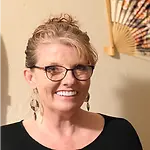
Laura Baker is an accomplished finance and HR professional serving as Business Director at iSucceed Virtual Schools of Idaho with extensive public education experience. Over 12 years, she transformed the school's finances from uncertainty to a $20 million cash reserve while supporting growth from 200 to 2,000 students. Her expertise spans financial management, payroll, compliance, and organizational development. As…