The Power of Traditions—Old and New
How Rituals and Traditions Transform Thanksgiving Into a Meaningful Gathering

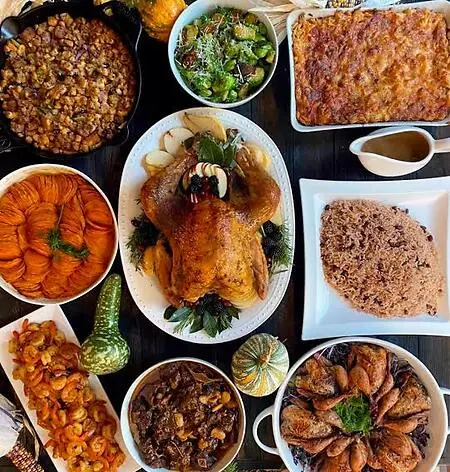
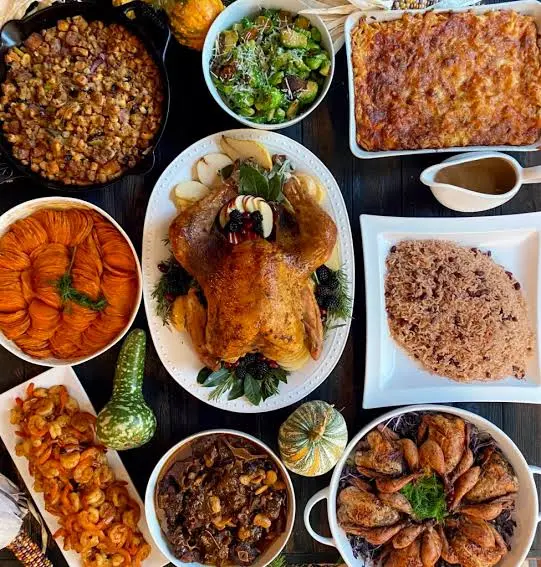
When November rolls around, most Thanksgiving stories follow a familiar script-giving thanks for family, good health, and a full table-yet the holiday's quiet magic often lives in the rituals themselves. From the exact way someone crimps the crust on a pecan pie to the chaotic backyard game played long before the carving knife comes out, these repeated moments give the day its heartbeat. Whether passed down through generations or invented on a whim, both old and new traditions create meaning, comfort, and connection, making them worth honoring, adapting, and celebrating in their own right.
Why Traditions Matter at the Table
At its core, a tradition is an intentional habit shared with others-a way of saying, "This matters enough to do again." It doesn't have to be formal or centuries old to hold weight. A tradition can be a handwritten recipe card stained with vanilla extract, or a group text thread that lights up every November morning with terrible turkey puns.
These rituals are so powerful because they bring gentle structure to a busy season. In a world that moves fast, traditions give us something steady to anticipate-and they even shape the day's rhythm. In a recent cooking class, one student mentioned their family never sits down to Thanksgiving dinner until 6:00 p.m., purely so everyone has plenty of time for their annual afternoon game of family flag football. That single detail says everything about why rituals matter: the meal bends around the memory-making, turning an ordinary Thursday into a collective experience where everyone knows they have a place.
The Comfort of Old Traditions
Classic Thanksgiving rituals endure for a reason. Roasting a turkey, watching the morning parade in pajamas, and gathering for football-on television or in the backyard - connect us to our past.
Even when the turkey is a little dry, or the backyard game runs late, familiar routines foster continuity and belonging. Repeating the same small steps each year reminds us of the hands that prepared the meal before us and the voices that once filled the room. Old traditions act like a warm blanket: predictable, grounding, and reassuring.
The Joy of New and Quirky Traditions
Of course, not every meaningful ritual comes from a family heirloom. Some of the best holiday traditions are brand new, born out of changing lives, chosen communities, or a simple desire to turn a gathering into a deeper conversation or a hilarious contest.
Consider the rise of Friendsgiving, where guests gather around mismatched chairs with dishes that reflect everyone's background rather than a strict menu. Or take a cue from an Italian American dinner club whose holiday gathering centers on a wonderfully specific theme: "Christmas When You Were Twelve." Everyone is invited to bring a dish they remember from the holidays at age twelve and still make or share today along with the story behind it.
Other groups lean straight into friendly rivalry. One friend's circle gathers every holiday season for a high-stakes gingerbread house build where entries go far beyond basic gumdrop cottages, including an elaborate three-story gingerbread treehouse. They bring in four random judges to evaluate the builds, and there are no trophies or cash prizes on the line-just bragging rights and the honor of being crowned the best builder.
Whether rooted in nostalgia or playful competition, rituals like these bring fresh energy to the table. You can capture that same spirit at Thanksgiving with a few unconventional ideas:
- "When You Were Twelve" Thanksgiving: Ask every guest to bring a dish-or even a favorite snack-from their twelfth-year holiday table and share a two-minute story about who made it or why it stuck with them.
- The "Great Pie Taste-Off": Set out small tasting slices, recruit a few unsuspecting judges, and award purely honorary titles like "Most Classic," "Best Crust," or "Wildcard Favorite."
- Post-dinner trivia or charades: Turn quiet relatives into fiercely competitive teammates once the plates are cleared.
- A gratitude tablecloth: Keep fabric markers on the table so guests can jot down a favorite memory or sign their names each year, turning an ordinary piece of linen into a living timeline over the decades.
Even the simplest or quirkiest prompt lowers shoulders, sparks laughter, and gives people an easy way to connect without feeling put on the spot.
How Rituals Create Meaning and Connection
Whether classic or unconventional, traditions do something vital for us: they anchor us. Especially during seasons of change, grief, or uncertainty, having a familiar ritual to lean on offers quiet comfort. You don't have to wonder how to mark the day; the tradition carries you forward.
At the same time, shared activities build bonds that small talk never could. Chopping vegetables side by side, calling plays in a family flag football huddle, debating the architecture of a three-story gingerbread house, or listening to a friend describe the Sunday sauce or holiday cookie they grew up with at twelve creates shared memories. Over time, those moments weave together into a sense of identity, a story we tell ourselves and one another about who we are when we gather.
Honoring What You Have and Inventing What You Need
You don't need a massive dining room or a Norman Rockwell menu to have rich traditions. Start by cherishing the customs you already have, no matter how small or imperfect they seem. If your favorite part of the day is eating cold pie for breakfast the next morning, claim it proudly.
And if your table looks different this year, permit yourself to invent something new that reflects your values and community today:
- Pair every dish with a memory: Whether it's a heritage recipe made with favorite flours or a store-bought roll someone loves, invite each person to share why it earned a spot on the table.
- Create a before-dinner toast: Keep it light and warm, inviting each person to name one small thing that made them laugh recently.
- Build a post-meal ritual: Put on a favorite album while washing dishes together, light a candle after dessert, or take an annual porch photo in whatever mismatched sweaters everyone is wearing.
Embracing Both the Old and the New
Thanksgiving isn't memorable because everything goes according to plan; it's memorable because of the rituals that bring us back to one another year after year. The old traditions remind us of our roots, while the new ones leave room for the stories we are still writing together.
This year, embrace both. Honor the classic customs that make the day feel like home, even if it means pushing dinner back to 6:00 p.m. for one more touchdown, but don't be afraid to invent a few quirky new ones along the way, because the rituals we keep are often what keep us connected.
Margie Raimondo is an agrarian storyteller, chef, urban farmer, and author based in Little Rock, Arkansas. As the founder of Urbana Farmstead and The Grain Keeper, she connects sustainable agriculture, heritage grains, and culinary tradition to strengthen local food systems and bring people together around the shared table. Drawing on her Sicilian and Campanian roots, Margie teaches hands-on cooking and baking classes, leads farm-to-table gatherings, and advocates for regional grain cultivation and local food procurement. She is also a filmmaker and the author of Mangiamo: Mediterranean Family Recipes and Seeds of Sicily: Recipes and Stories from Sicily's Shared Table. Follow her work at Urbana Farmstead or on Instagram.

Margie Raimondo is the founder and executive chef of Urbana Farmstead and the founder of The Grain Keeper in Little Rock, Arkansas. After a career in technology, she trained in cooking and farming in Italy and returned home in 2019 to start an urban farm. Today, she teaches cooking and canning and works with Arkansas growers to bring heritage wheat back into production and freshly milled flour into local kitchens.…