The Walking Broom: Why I Refuse to Wear the Illusion of the Sweeping Gown
Why the Sweeping Gown Is Fashion's Unhygienic Relic and What We Should Wear Instead

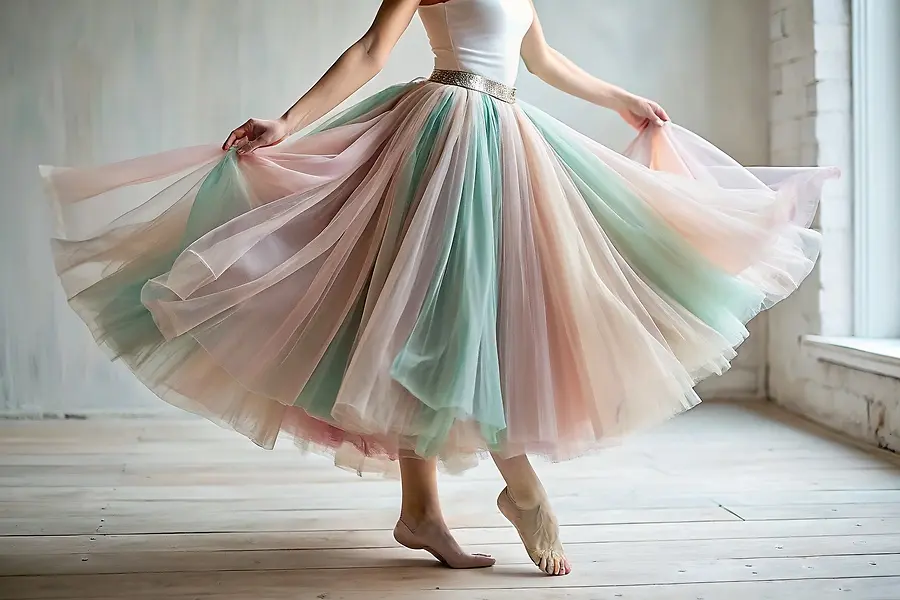
We are conditioned to look at a woman gliding down a red carpet or a wedding aisle in a floor-length gown and see the absolute pinnacle of luxury, beauty, and grace. We consume these highly curated images on our handheld mobile screens, double-tapping to applaud the "elegance." But if we strip away the romanticized marketing and artificial lighting, a much harsher, literal reality emerges.
Let's call it what it actually is: a woman wearing a sweeping gown is a walking broom.
I have never worn a sweeping gown in my life, and I never will. To me, this garment inadvertently tells a woman exactly where society thinks she belongs. It visually signals that she is a domesticated servant or partner—the one who bears the ultimate responsibility for sweeping and keeping the house clean. It is an unhygienic practice that transforms the wearer into a literal magnet for the world's debris.
These garments sweep along everything in their path, collecting dried saliva, spilled tea, dropped beverages, and street grime, dragging the environmental baggage of the venue directly behind the woman. It is not cute, it is not sanitary, and it is a recipe for disaster.
The Nitty-Gritty: The Toxic Origin of the Trailing Hemline
Like many, I was initially naive about the specific design history of these gowns and had never researched their origins. However, looking into the historical trajectory of fashion reveals that the "walking broom" analogy is not a dramatic exaggeration—it is rooted in documented historical concerns.
According to historical documentation regarding the late 19th and early 20th centuries, the emergence of germ theory turned the sweeping gown into a recognized public health hazard. When scientists realized that deadly diseases such as tuberculosis could be spread through microorganisms associated with contaminated environments, physicians and public health officials launched an aggressive campaign against trailing hemlines.
Records from around 1900 show that prominent publications and medical experts actively criticized the style. Satirical illustrations from the era depicted the Grim Reaper riding on the trains of women's long skirts, explicitly associating the garments with diseases such as typhoid fever, influenza, and consumption. Furthermore, documented medical studies from that period analyzed what a single trailing skirt picked up during a short walk down city streets, demonstrating that the hems could collect cigar ends, mud, and other street refuse. Doctors openly argued that women were quite literally acting as mechanical street sweepers, collecting contaminants outside and potentially carrying them into domestic living spaces.
Freedom of Movement: The Ankle-Length Revolution
The sweeping gown has always carried a heavy, restrictive subtext. While an excessively long train was historically designed to signal "conspicuous leisure"—proving a woman was wealthy enough to have servants handle manual labor—it simultaneously functioned as a physical anchor. It forces a slow, dependent pace. It restricts physical mobility and forces a woman to carry a literal and metaphorical burden of heavy fabric just to cross a room.
True elegance shouldn't compromise your autonomy. My own maternal grandmother was the perfect embodiment of this philosophy. She understood that real grace comes from how you carry yourself—to walk tall and never have to bend your knees or struggle against your own clothes just to move forward.
This is exactly why the ankle-length silhouette is the ultimate choice for a modern, functional fashionista. It provides the visual length, crisp geometry, and sleek elegance of formal wear without the domestic subservience of sweeping the floor.
Demanding a Design Revolution
The flawless imagery we see on television or social media is entirely artificial. Red carpet stars have an invisible army of assistants holding their trains, altering dresses to the exact millimeter, and treating fabrics with chemical repellents to survive a two-minute walk past photographers before changing into something practical. In the real world, the garment fails the basic tests of human functionality.
True fashion intelligence requires a critical eye and an absolute rejection of blind conformity. Critiquing the floor-sweeping gown isn't a failure to appreciate glamour; it is an act of forward-thinking fashion advocacy. It is time to demand a design revolution that respects the human body, prioritizes public health, and completely untethers women from the floor. True elegance should liberate the wearer, not turn her into an instrument for sweeping the room.
Author's Note
I am a forward-thinking fashionista and cultural critic who rejects blind trends in favor of functional, liberating style. Inspired by the timeless poise of my maternal grandmother—who taught me to walk tall and never bend my knees to accommodate restrictive clothing—I advocate for a design revolution that prioritizes hygiene, movement, and a woman's true autonomy.