The Women Who Keep Going Are Not Always Okay
When endurance becomes the expectation, women’s pain can disappear in plain sight.

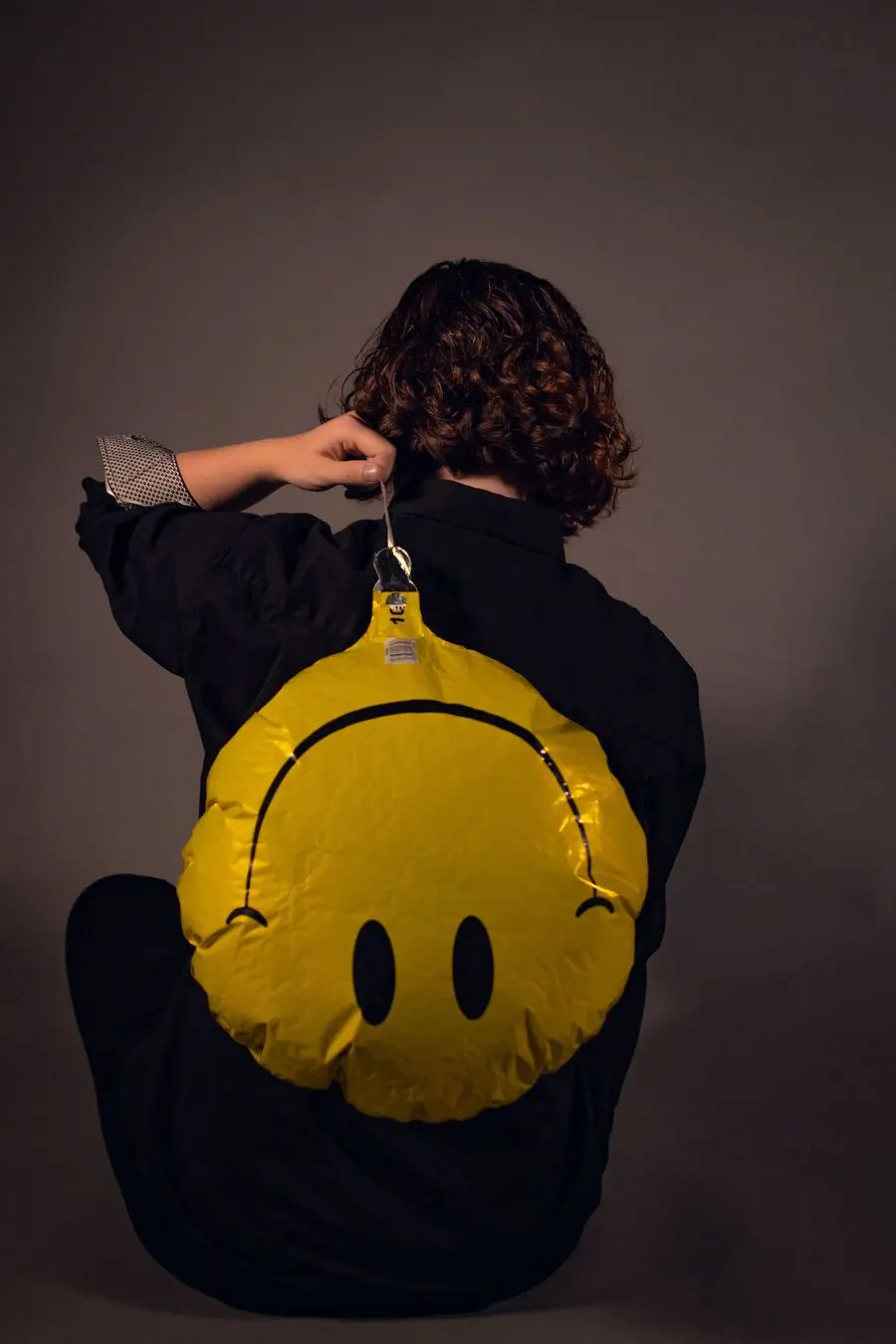
The Women Who Keep Going Are Not Always Okay
Some women become so skilled at continuing that no one notices they are falling apart.
They answer work emails from waiting rooms. They make appointments for everyone except themselves. They soothe babies through the night and arrive at work the next morning, expected to perform as if their bodies and lives have not changed. They live with pain for years because someone told them it was normal. They call themselves tired because exhausted sounds too serious, depressed sounds too frightening, and asking for help can feel like admitting they cannot handle the life they worked so hard to build.
From the outside, they look strong.
Sometimes they are.
Sometimes they are surviving in a way that has been mistaken for strength.
I know what it means to keep moving because people are depending on you. Many women do. We learn to work around the pain, schedule the appointment for later, cry somewhere private, and return before anyone notices we left. Eventually, we become so capable of appearing functional that even we begin to doubt whether our own suffering is serious enough to deserve attention.
That is the part we need to change.
Functioning Is Not the Same as Being Well
We often measure a woman's well-being by whether she is still getting things done.
Did she go back to work? Is the baby cared for? Did she meet the deadline? Is the house running? Is everyone else okay?
If the answer is yes, we assume she must be okay too.
But functioning only tells us that the work was completed. It does not tell us what it cost her.
A woman can be dependable and depressed. She can be productive while experiencing chronic pain. She can love her family deeply and still feel depleted by caregiving. She can be grateful for her child and still struggle after giving birth. She can succeed professionally while her body is sounding alarms she no longer feels permitted to answer.
Capability does not cancel suffering. In fact, the more capable a woman appears, the easier it can become for everyone around her to overlook what she needs.
Motherhood Does Not End at Six Weeks
After a baby is born, attention often shifts quickly from the mother to the child. People ask how the baby is sleeping, eating, growing, and adjusting. The mother may receive a brief check-in, a hopeful reminder to rest, and an unspoken expectation to resume life.
Her body, however, does not follow an administrative timeline.
Postpartum depression is not simply sadness or a sign that a mother is ungrateful. The Centers for Disease Control and Prevention report that about one in eight women with a recent live birth experiences symptoms of postpartum depression. CDC research also shows that symptoms can emerge later in the first postpartum year, even when they were not reported earlier.
Yet many women are expected to recover while navigating sleep deprivation, feeding decisions, hormonal changes, physical healing, childcare expenses, household responsibilities, and pressure to return to work.
For eligible employees, the federal Family and Medical Leave Act can provide up to twelve weeks of protected leave, but that leave may be unpaid. Not every worker qualifies. A legal right to time away means far less when a family cannot afford to use it.
Recovery without income is not rest. It is a financial emergency with a newborn attached.
When a mother returns before she has healed because the bills did not pause, we often praise her dedication. We should also question the system that made pushing through her safest economic option.
Pain Is Not Normal Because It Is Common
The same pattern appears in women's physical health.
The World Health Organization estimates that endometriosis affects about ten percent of women of reproductive age worldwide. It can cause severe menstrual pain, chronic pelvic pain, heavy bleeding, infertility, digestive symptoms, and effects on mental health. Despite how common and disruptive it can be, the average time to diagnosis is still between four and twelve years.
That delay is not just a medical statistic. It represents years of missed work, interrupted sleep, canceled plans, strained relationships, fear, and self-doubt.
Too many women are taught that pain is simply part of being a woman. Menstrual pain is minimized. Exhaustion is blamed on a busy schedule. Emotional distress is dismissed as hormones. A woman may be told to lose weight, reduce stress, wait, or accept that what she is experiencing is normal.
After hearing that often enough, she may stop trusting herself.
She learns to question the alarm instead of questioning why the alarm has been ringing for years without a meaningful response.
Pain does not become acceptable because a woman has learned how to work through it. Common does not mean harmless, and endurance should never be used as proof that treatment or investigation is unnecessary.
Caregiving Has No Clean End of Shift
Many women are also carrying work that cannot be seen on a calendar.
They are caring for children, aging parents, partners, relatives with disabilities, and friends in crisis. They remember medications, appointments, school events, groceries, birthdays, symptoms, forms, and the emotional temperature of the entire household.
They may complete a full workday and begin another shift the moment they arrive home. There is no clock-out time for being the person everyone calls.
Over time, a woman can become the invisible infrastructure holding several lives together. Like most infrastructure, her importance may not be fully recognized until something breaks.
Caregiver fatigue is not evidence that she does not love the people depending on her. Burnout does not mean she lacks discipline, gratitude, or resilience. Sometimes exhaustion is the most honest response a body can give to an arrangement that is not sustainable.
We often offer women personal solutions to structural problems. Organize better. Wake up earlier. Practice self-care. Buy another planner. Be more positive.
Those suggestions may have value, but a planner cannot create hours that do not exist. A breathing exercise cannot replace affordable childcare. A bath cannot redistribute a household's responsibilities. Resilience training cannot make an unreasonable workload reasonable.
Sometimes burnout is not revealing a weakness in the woman.
It is revealing a flaw in the system surrounding her.
The Workplace Sees the Output, Not the Cost
Workplaces often reward the woman who can absorb more.
She becomes the person who fixes the missed detail, trains the new employee, remembers the client's preference, calms the conflict, and accepts one more task because she knows how badly things may unravel if she says no.
Her competence earns her more responsibility, but not always more support, authority, flexibility, or compensation.
Then, one day, she cannot carry what has gradually become the work of several people. The organization calls it burnout as though it appeared inside her. Rarely does anyone ask how much of the operation depended on one woman repeatedly overriding her own limits.
A healthy workplace should not require employees to disclose every private detail before receiving basic humanity. Leaders can create clear leave policies, flexible return plans, realistic workloads, access to mental health resources, and cultures where asking for help does not quietly damage a woman's future.
Support should not be treated as a reward for reaching a crisis.
We Need Systems That Listen Sooner
Women should not have to become emergencies before they are believed.
Healthcare providers can listen carefully when a patient says something feels wrong and resist treating pain as an expected part of womanhood. Maternal care can extend meaningfully through the entire first postpartum year, with repeated opportunities to identify mental health concerns that may not appear during an early visit.
Employers can offer paid parental and medical leave, flexible scheduling, gradual return options, and caregiver support without treating those policies as favors. Managers can be trained to notice when a previously strong employee may need a conversation, not a warning.
Families can divide caregiving, planning, and emotional labor more fairly. Friends can ask better questions and remain present long enough to hear an honest answer.
And women can begin extending to themselves the concern they so instinctively offer everyone else.
This does not mean every woman must share her most private experiences publicly. Silence can be a form of protection, and disclosure should always remain her choice. But privacy should not require isolation. A woman should be able to seek care, request support, set a boundary, or say that she is not okay without feeling that she has failed some test of strength.
Strength Should Not Require Silence
We need a broader definition of a strong woman.
Strength is not only the ability to endure. It is also the ability to recognize when endurance has become harmful.
It can look like making the appointment, taking the leave, naming the pain, accepting the help, or telling the truth before the breaking point. It can mean refusing to perform wellness for the comfort of people who benefit from your silence.
To the woman who has kept going because she believed she had no other choice: Your exhaustion is not a moral failure. Your pain is not an inconvenience. Your body is not betraying you. It is communicating with you.
You do not have to earn care by becoming an emergency.
And if your decision to rest exposes how much a family, workplace, or community depended on your constant sacrifice, your rest did not cause the failure. It revealed a system that was never sustainable.
Women should not have to break before the world believes they were carrying too much.
The goal is not to make women stronger at surviving systems that neglect them.
It is to build systems that no longer require their suffering to remain invisible.


