Turning My Karma Into Mission
From Personal Struggle to Professional Mission: Building Psychologically Safe Workplaces

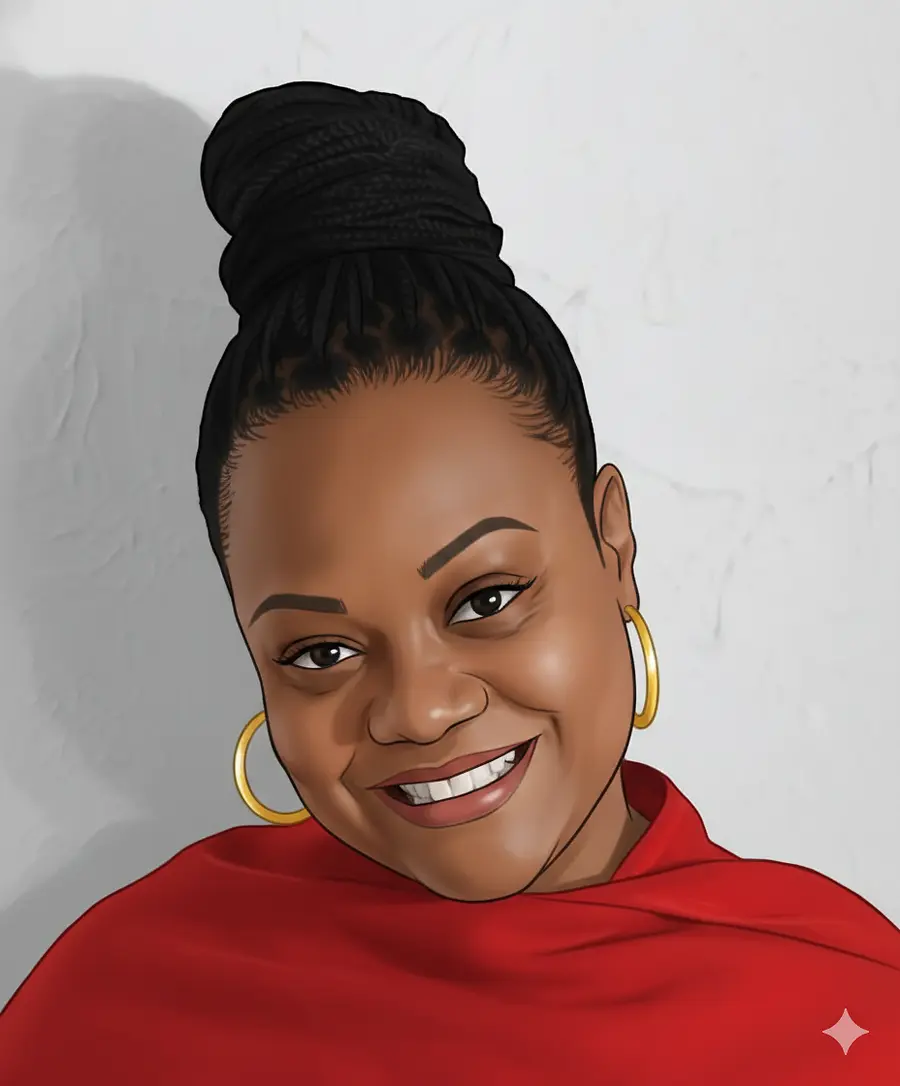
Mental health is not a trend, and it does not stop at the door when people walk into work.
For me, mental health advocacy is deeply personal. I did not arrive here casually or strategically. I arrived here through lived experience—my own and my family’s. I have been diagnosed with depression, and I have family members who live with mental health conditions. What some may call karma, I have chosen to turn into a mission.
For more than 25 years, I have served as a mental health advocate, instructor, and trainer. Long before the titles, certifications, or training rooms, I was a human being navigating mental health while trying to show up, lead, and perform in workplaces that were not built with psychological safety in mind. I have seen how mental health challenges ripple through individuals, families, and entire organizations. I have also experienced firsthand the harm that occurs when workplaces choose silence, stigma, or avoidance instead of support.
That is why I advocate for mental health in the workplace.
From Lived Experience to Lifelong Advocacy
Throughout my career, I have had the privilege of presenting Transforming Mental Health in the Workplace and Taking Charge of Your Mental Health across diverse platforms and audiences. I have worked alongside executives, managers, and employees who genuinely want to do better but often do not know where to begin.
As a certified QPR Suicide Prevention Gatekeeper and Adult Mental Health First Aid Trainer, I have trained thousands of individuals in suicide prevention and early intervention. Those conversations are real, vulnerable, and life-changing. They remind us that awareness saves lives.
But awareness alone is not enough. True transformation requires action.
What Work and Life Experiences Taught Me
In my previous roles as a Training Director and Educational Program Coordinator for mental health organizations, I led education and outreach efforts across communities. In boardrooms and classrooms alike, one truth surfaced again and again: people want safe spaces to talk about mental health. They want to be understood. They want leaders who care.
Yet many workplaces were not structured to support those needs. Policies existed, but conversations did not. Resources existed, but trust did not. That disconnect between intention and reality became the foundation for the work I do today.
My experiences also taught me a critical lesson about leadership: leadership is not about having all the answers. It is about creating environments where people feel safe enough to ask for help, speak honestly, and be human. That belief now guides how I train leaders to lead with courage, compassion, and accountability.
Why the Workplace Matters
We spend a significant portion of our lives at work. The workplace influences our stress levels, confidence, relationships, and often our sense of identity. When mental health is ignored at work, the consequences surface as burnout, turnover, absenteeism, presenteeism, disengagement, and crisis.
I know this professionally and personally.
As women, we are often praised for resilience while being discouraged from vulnerability. We are taught to push through, stay strong, and carry more than we should. I have learned that true strength does not come from silence—it comes from speaking, healing, and leading differently.
When mental health is prioritized, something powerful happens: communication improves, trust deepens, productivity becomes sustainable, and people feel seen, valued, and supported.
As my life mentor, Daisaku Ikeda, reminds us: “Uplifting colleagues transform the entire dynamic of an organization.”
I believe organizations can be both high-performing and mentally healthy. These are not competing goals; they are deeply interconnected.
Turning Karma Into a Roadmap
I created my workplace mental health training programs because of what I experienced in the workplace and in life. I saw the cost of inaction. I felt the weight of unsupported leadership cultures. And I knew there had to be a better way.
My work integrates evidence-based mental health education, crisis response and suicide prevention, early intervention strategies, mindfulness and emotional regulation practices, and leadership development grounded in psychological safety.
From those foundations, I created the Transforming Mental Health in the Workplace Roadmap©. Mental health cannot live in a single seminar or awareness month; it must be intentionally embedded into culture, leadership practices, and daily operations. This roadmap exists because I lived the consequences of workplaces that did not have one.
Author, Advocate, Builder of Resilience
As the author of W.I.S.E. Women Increasing Self-Esteem, I have always believed that confidence and resilience are built from the inside out. That belief applies just as powerfully to organizations. When individuals feel safe, respected, and supported, they thrive.
And when individuals thrive, workplaces transform.
My Commitment
I advocate for mental health in the workplace because I believe no one should struggle in silence at work. Leaders should be equipped—not afraid—to have mental health conversations. Prevention is more powerful than crisis response. Psychological safety is not optional; it is foundational.
Mental health affects everyone in the workplace at every level, in every role, every day. It shapes how people think, communicate, lead, and perform. Mental health does not stay at home; it shows up at work whether we acknowledge it or not.
This work is more than my profession. It is my purpose. It is my mission.
Final Thought
Workplaces do not transform because of policies alone. They transform when leaders choose courage over comfort and action over awareness. Every organization is made up of human beings carrying unseen stories, responsibilities, and challenges.
When we build cultures rooted in respect, psychological safety, and compassion, we give people permission to bring their full selves to work. Trust deepens, resilience strengthens, and workplaces become more than places of employment—they become communities.
“A positive work culture starts from within; every individual has the agency to shape their environment. Employees have the power to create a positive work environment, and a leader's role is to provide reassurance, which empowers others.” – Daisaku Ikeda
My hope is that every woman who reads this recognizes the power she holds to transform pain into purpose and workplaces into spaces where humanity is not just allowed, but valued. When we change how we lead, we do not just improve workplaces—we change lives.


